New - 15 Hours Ago

.jpg)


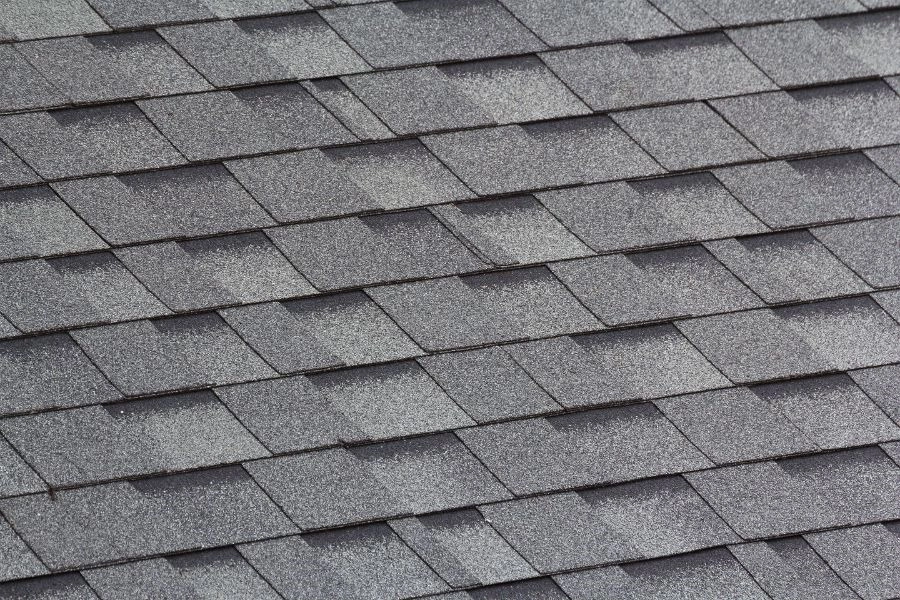
Shingle pieces or granules in the yard almost always trace back to one of three things: hail, wind, or a roof already near the end of its life shedding material in ordinary weather. Which one it is changes what you do next.
A hailstorm large enough to knock loose shingle tabs or crack ridge caps leaves other signs too — dented gutters, damaged window screens, bruised siding, or torn leaves on nearby trees. If you find shingle pieces after a storm with any of those other signs present, treat it as hail damage and get a roof inspection before the next rain gets underneath the compromised area.
Chinook wind events along the Front Range foothills regularly produce gusts above 60 mph, strong enough to lift and tear shingle tabs that were already loosened by age, a cold-weather install, or prior hail bruising. Wind damage concentrates at roof edges, ridges and corners, where uplift force is strongest, instead of scattering evenly across the field the way hail does.
Granule loss accelerates as asphalt shingles age, and at 5,280 feet the added UV exposure speeds that aging up compared to a sea-level roof. A shingle system past 15 to 18 years old can start shedding small pieces and granules in ordinary wind, not just during a storm — if you are finding debris on a calm week with no recent weather event, age is the more probable cause.
Squirrels and other wildlife occasionally pull at shingle edges or ridge caps while nesting, particularly near roof penetrations like vent stacks. It is a less common cause than hail or wind on the Front Range but worth ruling out if the damage is localized to one small area near a chimney or vent rather than spread across the roof.
Binoculars from the yard tell you whether something is obviously wrong, but only a physical inspection, ideally from two independent licensed Colorado roofers, tells you the real scope. Get a second opinion before committing to a full replacement based on one contractor's assessment, since scope recommendations can vary significantly between companies.
Photograph the yard debris and any visible roof damage the same day you find it, then contact your insurer to request an adjuster inspection. Most Colorado homeowner policies carry a separate wind and hail deductible, calculated as a percentage of your dwelling coverage rather than a flat dollar amount, so know that number before deciding whether a claim makes sense for the damage you are seeing. Colorado law prohibits roofing contractors from advertising that they will pay, waive or rebate your deductible — walk away from any contractor who leads with that offer.
Some Colorado homeowner policies include a cosmetic damage exclusion that limits or denies coverage for hail damage that affects appearance without a functional leak. Read your policy's hail and wind section closely, or ask your agent directly whether that exclusion applies to you, before assuming a claim will be paid in full.
If shingle loss is limited to a small, defined area and the rest of the roof field checks out clean at inspection, a targeted repair is the right call. If damage is spread across multiple roof planes, or the roof was already near the end of its expected life before the damage occurred, replacement makes more financial sense than repeated repairs.
If you plan to sell soon, disclose any known storm damage and resolve it, whether through repair or a documented, settled insurance claim, before you list — undisclosed roof damage found at a buyer's inspection almost always costs more in renegotiation than fixing it upfront would have. See preparing and adding value before selling and pricing your Colorado home to sell for how to weigh repair cost against price adjustment.
| What you're seeing | Probable cause | Next step |
|---|---|---|
| Debris after a storm, plus dented gutters | Hail | Photograph, call insurer, get two roofer bids |
| Debris after high wind, no hail signs | Wind uplift | Inspect edges and ridges first |
| Slow debris buildup, no recent storm | Aging roof / UV wear | Full inspection, plan replacement timeline |
| Debris localized near one vent or chimney | Wildlife | Inspect that area specifically |
A Colorado adjuster measures granule loss and bruising density across test squares on each roof plane, checks soft metal like vents, flashing and gutters for matching hail marks, and photographs the pattern to confirm it is consistent with a specific storm date rather than accumulated age. Bring your own photos and, if you already have one, a second roofer's written scope to that inspection — a documented second opinion carries weight when the adjuster's initial scope looks thin compared to what a licensed contractor found.
Start a simple log the day you find the debris: date, weather conditions, a description of what you found, and photos from the ground and, without climbing onto the roof, closer up. If a claim gets disputed or a second inspection is needed months later, a dated log with photos is far more persuasive than memory, and it also helps if you sell the home before the repair is finished and need to explain the claim history to a buyer.
Storm damage found late, right before or during a sale, is one of the most common reasons a Colorado deal gets renegotiated at the inspection table, and the Kenna Real Estate Group helps sellers get ahead of it. Call or text 303-955-4220. A live person answers. Not a robot, not a phone tree. Or search every home for sale in Colorado right now.
Questions about any home in Colorado? Call or text 303-955-4220. A live person answers.
Gradual granule loss with no recent weather event points to an aging roof; shingles past 15 to 18 years old at Colorado's altitude shed granules faster than at sea level.
Filing windows vary by policy, so check your specific declarations page, but filing as soon as possible after you find damage and photographing it the same day protects your claim.
Some Colorado homeowner policies include one that limits coverage for hail damage affecting only appearance without a functional leak; ask your agent directly whether yours does.
No. Colorado law prohibits contractors from advertising that they will pay, waive or rebate your deductible.
Yes. Scope recommendations vary between companies, so two independent inspections give you a more reliable picture before committing to repair or replacement.
Yes, disclose and resolve known damage before listing; buyers who find it at inspection negotiate harder than the cost of fixing it upfront would have been.


