New - 6 Days Ago
.jpg)


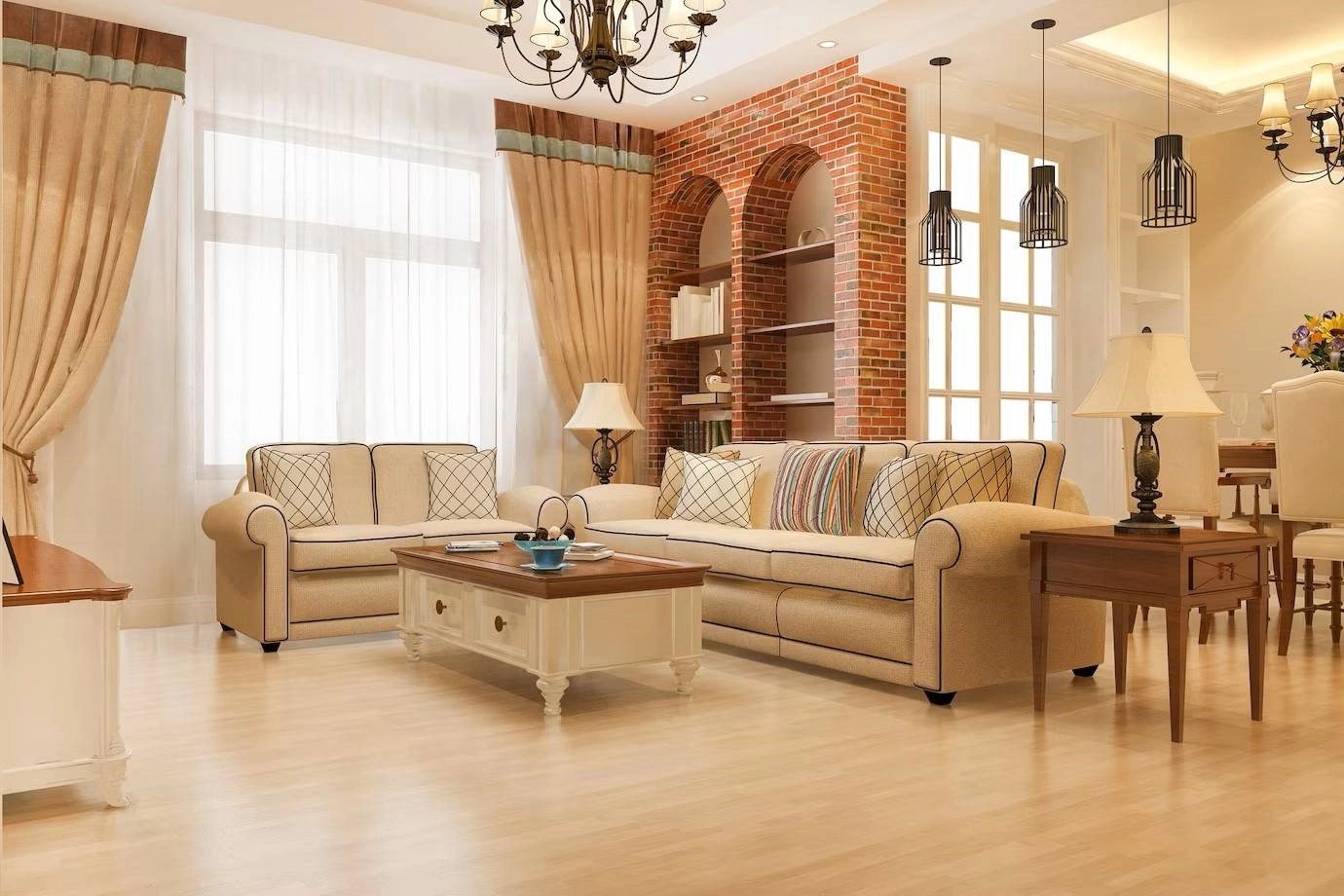
An empire light shade — the classic tapered drum shape, wider at the bottom than the top — is one of the fastest, least expensive ways to update a light fixture without rewiring anything. For Colorado homeowners weighing a full fixture replacement against a shade swap, the shade almost always wins on cost and speed, and it changes how a room reads in listing photos more than most buyers expect.
The empire shape tapers gently from a wider bottom to a narrower top and works on table lamps, floor lamps and pendant fixtures alike. It reads as more traditional than a straight drum shade and pairs well with the transitional and mountain-modern interiors common across Front Range resale listings. A shade swap costs $20 to $150 depending on size, material and whether it's custom-fitted, versus $150 to $600-plus to replace an entire fixture.
Colorado's humidity sits well below the national average most of the year, and that dry air affects natural fiber and fabric shades: linen and silk shades can become brittle and prone to cracking at the seams faster here than in a humid climate. Synthetic or laminated fabric shades hold up longer in Front Range interiors and are worth the small price premium in a sun-facing room.
At 5,280 feet, UV intensity is roughly 25% higher than at sea level, and it comes through untreated glass. A fabric shade sitting in direct south- or west-facing window light will visibly fade and yellow within a year or two, well before an identical shade in a north-facing room shows any change. Rotate lamps out of direct sun exposure or choose shades rated for UV resistance if the fixture has to sit in a sunny spot.
Updated lighting does not carry a large standalone dollar return the way a kitchen or bath remodel does, but it changes how a home photographs and shows, which affects how fast it sells and at what price it draws offers. A dated brass chandelier or a shade yellowed by UV exposure reads as neglect in listing photos even when the rest of the home is well maintained. On the Front Range, where buyers scroll photos before booking a showing, this is a low-cost fix with an outsized effect on first impressions.
Dark or mismatched fixtures, exposed bulbs and dated glass globes are among the most common notes buyers' agents mention after a showing. A living room with three different bulb color temperatures — warm white, cool white and daylight mixed — reads as unfinished even in a freshly painted room. Matching bulb temperature (2700K to 3000K for most living spaces) across every fixture is a free fix that makes an entire home look more finished in five minutes.
Xcel Energy runs rebate and recycling programs for qualifying LED bulbs and fixtures for Colorado customers; check the current program list before buying new fixtures, since eligible products and rebate amounts change. Pairing a shade or fixture refresh with an LED bulb swap lowers the home's electricity use, a detail worth mentioning in a listing description for buyers pricing out utility costs.
Front Range winters bring noticeably shorter daylight hours than a Colorado summer, even with the state's abundant sun overall. Rooms that rely on a single overhead fixture read dim and flat during the darker months. Layering in a floor lamp, table lamp or wall sconce — each with its own shade — gives a room usable light at multiple heights instead of one harsh overhead source, which matters both for daily living and for listing photos shot in winter.
| Update | Typical Cost | Time |
|---|---|---|
| Shade only | $20–$150 | Minutes, no electrician |
| Bulb swap to LED, matched color temp | $5–$15 per bulb | Minutes |
| Full fixture replacement | $150–$600+ | Hours, sometimes requires an electrician |
A shade that's too small for its base looks top-heavy and unstable; too large and it overwhelms a lamp. As a rule of thumb, shade width should run about twice the widest point of the lamp base, and shade height should run roughly 60% of the base height. For pendant fixtures over a kitchen island or dining table, hang the shade bottom 30 to 36 inches above the surface for even light without glare at eye level.
Priority order for a pre-listing update: entry fixture (the first thing a buyer sees), kitchen island or dining pendants (photographed heavily), and primary bathroom vanity lighting (buyers check this closely). A bedroom lamp shade swap is nice but low priority compared to these three high-visibility spots.
Beyond the empire shape, the two other common shade profiles are the drum (straight sides, same width top and bottom) and the bell (curved, flared bottom). Empire shades read as more traditional and pair well with brass, wood and mixed-metal fixture bases common in Front Range resale homes built in the last two decades. Drum shades read more modern and pair better with sleek black or matte fixtures. Matching shade style to the home's overall finish level matters more for listing photos than matching every shade in the house to the exact same profile.
Rewiring only makes sense when the fixture's wiring itself is outdated, damaged or doesn't meet current code — a licensed electrician should make that call, not a DIY guess. If the wiring and mounting hardware are sound, a shade swap and bulb change accomplish nearly the same visual update for a fraction of the cost and with no electrician visit required. Save the rewiring budget for fixtures that are actually failing rather than ones that are simply dated in style.
Homes with large south- or west-facing windows — common across new Front Range construction built to take advantage of mountain views and passive solar gain — put nearby fixtures and shades through more UV exposure than a home with smaller, north-facing windows. Metal, glass and treated or laminated fabric shades hold their finish longer than untreated natural fiber shades in these sun-heavy rooms, and choosing the right material up front avoids replacing a shade again within a year or two.
Ask us which low-cost updates — lighting included — make the biggest difference in your neighborhood's listing photos before you spend on a full remodel. Call or text 303-955-4220. A live person answers. Not a robot, not a phone tree. Or search every home for sale in Colorado to see how current listings use lighting in their photos.
Questions about any home in Colorado? Call or text 303-955-4220. A live person answers.
Fabric shades made of natural fibers like linen or silk can become brittle faster in Colorado's low humidity than in a humid climate, so synthetic or laminated shades tend to hold up longer here.
Updated, matched-temperature lighting improves listing photos and first impressions during showings, which affects how quickly a home draws offers even though lighting alone rarely adds a large dollar amount at resale.
LED bulbs use a fraction of the electricity of incandescent bulbs and run cooler, which matters in Colorado homes with large south-facing windows that already bring in significant solar heat.
Most Colorado living spaces look best with 2700K to 3000K (warm white) bulbs used consistently across every fixture in a room, rather than mixing warm and cool bulbs.
Xcel Energy runs rebate and recycling programs for qualifying LED products for Colorado customers; check the current program details before purchasing since eligible items change.
Move the lamp out of direct south- or west-facing window light, since UV intensity is about 25% higher at 5,280 feet than at sea level and will fade untreated fabric shades within a year or two.
Start with the entry fixture, kitchen pendants and primary bathroom vanity lighting, since these are the spots buyers notice most in photos and during a walkthrough.