.jpg)


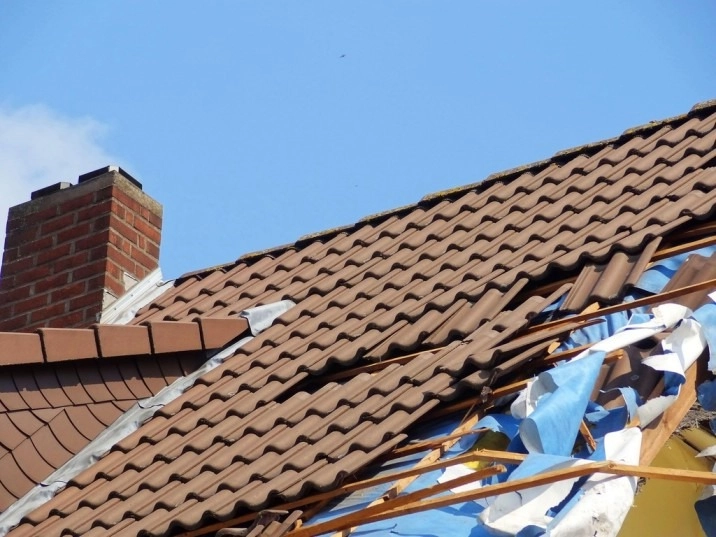
Colorado's hail season, mid-April through mid-September, brings more than hailstorms — it brings storm-chasing crews that follow the damage from state to state and disappear before a warranty claim ever comes due. Here's how to tell a legitimate Front Range roofer from a scam before you sign anything.
Why do roofing scams spike in Colorado during hail season?
After a major hailstorm hits the Front Range or El Paso County, homeowners feel urgency to get repairs scheduled, and that urgency is exactly what scammers exploit. Legitimate local roofing companies get booked weeks in advance after a big storm and rarely go door-to-door offering same-day fixes.
Should I trust a roofer who shows up unsolicited after a Colorado hailstorm?
Be cautious. Reputable contractors don't need to cold-call or canvass neighborhoods after a storm. Door-to-door roofers who show up right after hail damage do shoddy work and disappear, take a deposit and vanish, or inflate repair costs once they have you under contract, in a large share of cases. Do the legwork yourself: get referrals from neighbors and verify reviews across multiple platforms.
How do I check if a Colorado roofing company is legitimate?
Ask for the company's license number and check it with your state or local contractor licensing authority. Request documentation confirming both liability insurance and workers' compensation coverage. Insist on a written contract — never accept a handshake deal — and call the issuing organizations directly to confirm the paperwork is current rather than outdated or fabricated.
What are "storm chasers" and how do I spot one in Colorado?
Storm chasers are crews that follow severe weather from region to region and target homeowners dealing with fresh damage. Red flags include out-of-state license plates, pressure to file an insurance claim immediately, and an offer to waive your deductible, which is not a legitimate or legal practice in most states. Sticking with a locally established, vetted roofing company gives you a contractor with a reputation to protect and one who will still be around if a warranty issue comes up later.
What is the "free roof" insurance gimmick?
If a contractor claims you can get a brand-new roof for free through your insurance company, be skeptical. This tactic can encourage a fraudulent claim, which leaves you liable, or the crew does poor-quality work, collects the insurance payout, and disappears. Work directly with your insurance provider, and choose a roofer only after your claim has been approved.
How much should I pay upfront for a Colorado roof job?
A deposit of 10% to 20% upfront is standard. If a roofer demands full payment before materials arrive, that's a warning sign. Set up a payment schedule instead: a small deposit to secure the job, progress payments tied to completion milestones, and final payment only after the work passes inspection.
How do I verify a roofing company's online reputation in Colorado?
Check their Better Business Bureau rating, look up business registration status with your local government, and call any references they provide. Use a reverse image search on project photos to confirm they weren't lifted from another company's website, and check how long their business phone number has been active.
What should a legitimate roofing estimate include?
A trustworthy estimate itemizes the type of shingles or material with brand names, the number of labor days estimated, exact square footage, debris removal and property protection plans, and warranty details. Vague estimates leave room for hidden charges once work starts.
What high-pressure sales tactics should I watch for from a Colorado roofer?
Phrases like "this price is only good today" or "don't tell your insurance adjuster we already started" are red flags, not sales pitches. A legitimate contractor wants you to feel informed and confident, not rushed.
Is a "free roof inspection" always trustworthy in Colorado?
Many reputable roofing companies offer complimentary inspections, but some scammers use this to manufacture urgency, claiming your roof is about to fail or showing photos from a different property. Ask for timestamped before-and-after photos, be present during the inspection, and get a second opinion if the findings feel dramatic given your roof's actual history.
How do I protect myself from a fraudulent insurance claim tied to roofing?
Never let a contractor pressure you into inflating damage or filing a claim you're unsure about. Document your roof's condition yourself before and after any storm, and involve your insurance adjuster directly rather than letting a contractor manage the claim on your behalf.
Does verifying a roofer's legitimacy matter when selling a Colorado home?
Yes. If you paid for roof repairs or a replacement, buyers and inspectors sometimes ask for documentation. Work from an unlicensed or unverifiable contractor can raise questions during a sale, while a paper trail from a vetted, locally established roofing company supports your listing and the number in your Smart Pricing Report.
What should I do if I already paid a scam roofer in Colorado?
File a report with your local police department and the Colorado Attorney General's consumer protection office. Contact your bank or card issuer about disputing the charge if payment was recent, and notify your insurance company if the scam was tied to a claim. Document every communication with the contractor in writing, including texts, emails and any recorded phone calls.
Can I sue a roofing contractor in Colorado small claims court?
For smaller disputes, Colorado small claims court is an option without hiring an attorney, and it handles claims up to a set dollar limit. Bring your written contract, payment records, and photos of the incomplete or poor-quality work as evidence, since documentation matters more than a verbal account of what happened.
Does my homeowners insurance protect me from a roofing scam?
Insurance covers storm damage to your roof, not losses from a fraudulent contractor. That's a separate, and harder, recovery process that can take months to resolve through small claims court or a licensing board complaint. This is exactly why verifying a contractor's license and insurance before signing anything matters more than trying to recover money afterward.
How do I find a roofing company through a trusted referral network in Colorado?
Ask a local real estate professional, your insurance agent, or neighbors who had recent work done, rather than relying only on the first search result or door-to-door pitch. A referral from someone with a direct stake in the outcome, like an agent whose reputation depends on the vendors they recommend, is more reliable than an anonymous online ad in most cases, and it gives you someone to call if a problem comes up down the road.
Where to go next
- Preparing and adding value before selling
- Pricing your Colorado home to sell
- Best roofing companies in Pueblo, Colorado
- Roof repair costs in Colorado
- What to look for in a roof replacement company
- Search every home for sale in Colorado
Talk to the Kenna Real Estate Group
If a roofer shows up at your door after a Colorado hailstorm and something feels off, the Kenna Real Estate Group can point you toward Front Range contractors our clients have actually used. Call or text 303-955-4220. A live person answers. Not a robot, not a phone tree. Ready to look at homes instead? Search every home for sale in Colorado.
Homes for sale that match this post
Guides
Questions about any home in Colorado? Call or text 303-955-4220. A live person answers.