New - 7 Hours Ago

$29,999
Active
2
Beds
1
Baths
660
Sqft
0.02
Acres
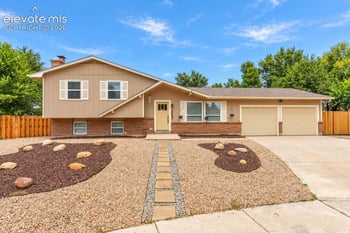
220 Mount View Ln Lot 8, Colorado Springs, CO 80907
MLS#: REC4901397
.jpg)



A cash home buyer in Colorado is a person or company that buys a home without a mortgage, closes at a title company in 7 to 14 days, and pays 70 to 85 percent of market value on a home that needs work in exchange for speed and no repairs. A fake cash buyer is anyone who cannot show verified funds in their own name, will not put earnest money at a Colorado title company, or writes their name on the contract followed by "and/or assigns". The first is a buyer. The second is a wholesaler or a fraud, and the tests below separate them in an afternoon.
This guide is for Colorado sellers who have received a postcard, a text or a knock on the door with a cash offer, and for buyers who want to know how real cash offers work before competing against one. For the case where a cash sale is the right choice, read our post on cash home buyers: what they are, how they work and when they make sense.
The cash-buyer wave in Colorado grew after 2020, when low rates and the impact of the COVID-19 pandemic on where people lived pushed investors into Front Range housing. The same companies operate in every state; cash home buyers in New York run the same model, and the verification steps below apply anywhere. What is specific to Colorado is the form contract, the title-company closing, and the state license lookup.
| Item | Real cash buyer | Wholesaler or fraud |
|---|---|---|
| Contract | Colorado Contract to Buy and Sell, buyer's legal name or LLC | Own form, or the state form with "and/or assigns" after the name |
| Proof of funds | Bank or brokerage statement dated within 30 days, in the buyer's name, verified by phone with the bank | A letter from a "private lender" or nothing |
| Earnest money | 1 to 3 percent, wired to a Colorado title company within 2 days | $100 to $1,000, or held by the buyer's own "escrow" |
| Inspection period | 0 to 7 days | 21 to 45 days, used to shop the contract |
| Price | 70 to 85 percent of value on a home needing work; near full value on a clean home | High opening number, then a large cut at the end of the inspection period |
| Closing | Title company chosen by the seller, 7 to 14 days | Buyer's chosen closer, date keeps moving |
Ask for a statement, not a letter. The statement shows the account holder's name, the bank, the date and the balance, with the account number blacked out. The name matches the buyer on the contract or the LLC's registered name. Then call the bank at the number on its website, not the number on the statement, and ask whether the account holder has the balance shown. A real buyer expects the call. A refusal, a statement in a third party's name, or a "proof of funds letter" from a lender that has no account with the buyer ends the conversation.
On every Colorado sale the contract names an Earnest Money Holder, and on a cash sale it is a Colorado title company chosen by the seller. The buyer wires the deposit within the contract days after Mutual Execution of Contract, and the title company confirms receipt to both sides in writing. Never accept a check made out to the buyer's company, a deposit held "in the buyer's escrow account", or a promise to bring the deposit to closing. A real cash buyer on a $450,000 Aurora home posts $4,500 to $13,500. A wholesaler posts $500, because $500 is what it costs them to walk away when they cannot find an end buyer.
The Colorado Contract to Buy and Sell states that the contract is not assignable by the buyer unless the parties agree otherwise in writing. A wholesaler gets around that by writing the buyer as "John Smith and/or assigns" or by adding an assignment clause in Additional Provisions. That language means the person signing does not intend to buy the home; they intend to sell your contract to someone you have never met, for a fee of $5,000 to $30,000 that comes out of the price you accepted. Strike the words, initial the change, and watch what happens. A buyer stays. A wholesaler leaves.
Assigning a contract you hold on a home is legal in Colorado. Marketing homes you do not own or hold under contract, for a fee, is brokering, and brokering without a Colorado license is not. Anyone who calls themselves an agent, broker or Realtor must hold an active license with the Colorado Division of Real Estate; the license lookup is on the Division of Real Estate site. Check the LLC on the buyer's contract at the Colorado Secretary of State business search as well; an entity formed last month with no address is a wholesaler's shell.
Sellers in foreclosure are the main target. Colorado's Foreclosure Protection Act regulates equity purchasers and foreclosure consultants who approach owners in default and gives those owners cancellation rights and required written terms; a Colorado attorney or the Colorado short sale help page is the first call, not the person at the door.
At closing, the title company wires the seller's proceeds. Fraud starts with an email that looks like it came from the title company or your agent, asking you to update the account for your proceeds. Give your wire instructions to the closer in person or by phone at the number on the title commitment, and confirm the account by phone before the closer sends the money. Instructions never change by email. A seller who wires or receives on emailed instructions with no phone call loses the proceeds inside hours, and the money does not come back.
Sellers weighing a verified cash offer against a financed offer at a higher price should ask for the financed buyer's underwritten pre-approval, where an underwriter has already cleared income, assets and credit, and a loan deadline of 21 days or less in the contract. That buyer closes as reliably as cash in 30 days, and the extra $20,000 to $40,000 is real money. The Kenna Real Estate Group works with Mike Oswald, VP of Mortgage Lending at Rate, NMLS 261003, Equal Housing Lender, and calls the buyer's lender on every financed offer before the seller signs. You are free to use any lender. Loan programs are explained on the Colorado home financing guide.
Every cash offer is a percentage of a value the buyer knows and you do not. Before you respond, get the number: our Smart Pricing Report prices a Front Range home from closed sales in the last 90 days, so a $340,000 cash offer on a $420,000 home reads as what it is. Some sellers still take the cash: an inherited home in Pueblo with a failed sewer line, a landlord with a tenant who will not allow showings, a divorce sale that must close by a court date, a home with a title problem that scares financed buyers. Our Denver cash home buyers and fast sale choices page compares a verified cash sale with a 10-day listing that draws cash investors and financed buyers at once.
The Kenna Real Estate Group, Keller Williams DTC, verifies every cash offer a seller receives: the funds by phone with the bank, the entity with the Secretary of State, the license with DORA, and the earnest money at a Colorado title company before the seller signs. For buyers, we write offers that stand up against cash; see how we help buyers. Call or text 303-955-4220. A live person answers. Not a robot, not a phone tree. Then search every home for sale in Colorado.
Questions about any home in Colorado? Call or text 303-955-4220. A live person answers.
One to 3 percent of the price, wired to a Colorado title company within 2 days of the signed contract. A $500 deposit on a $450,000 home is the signature of a wholesaler, not a buyer.
Assigning a contract you hold on a home is legal. Marketing homes you do not own or hold under contract, for a fee, is brokering and requires a Colorado real estate license. Strike the and/or assigns language and the wholesaler leaves.
It is a one-page document a wholesaler records with the county clerk to show a contract exists on your home. Once recorded it clouds your title and blocks any other sale until it is released, which costs you an attorney and weeks.
A subject-to purchase leaves your name on the loan while the buyer holds the deed. If the buyer stops paying, the lender forecloses on you and your credit takes the hit. Have a Colorado real estate attorney review any such offer before answering.
Match the name on the proof-of-funds statement to the name on the contract, call the bank at its public number, look up the LLC at the Colorado Secretary of State, and check any claimed broker license on the DORA Division of Real Estate lookup.
Seven to 14 days after the signed contract, at a title company the seller chose, with a 0-to-7-day inspection period. A cash buyer asking for 30 days of inspection is shopping the contract.
Seventy to 85 percent of after-repair value minus repair costs on a home that needs work, and closer to full value on a clean home in a strong Front Range location. Get a Smart Pricing Report before you answer any offer.
For a fraudulent wire, your bank and the FBI Internet incident Complaint Center within hours. For unlicensed brokering, the Colorado Division of Real Estate. For deceptive practices or foreclosure rescue schemes, the Colorado Attorney General's Consumer Protection Section.