.jpg)


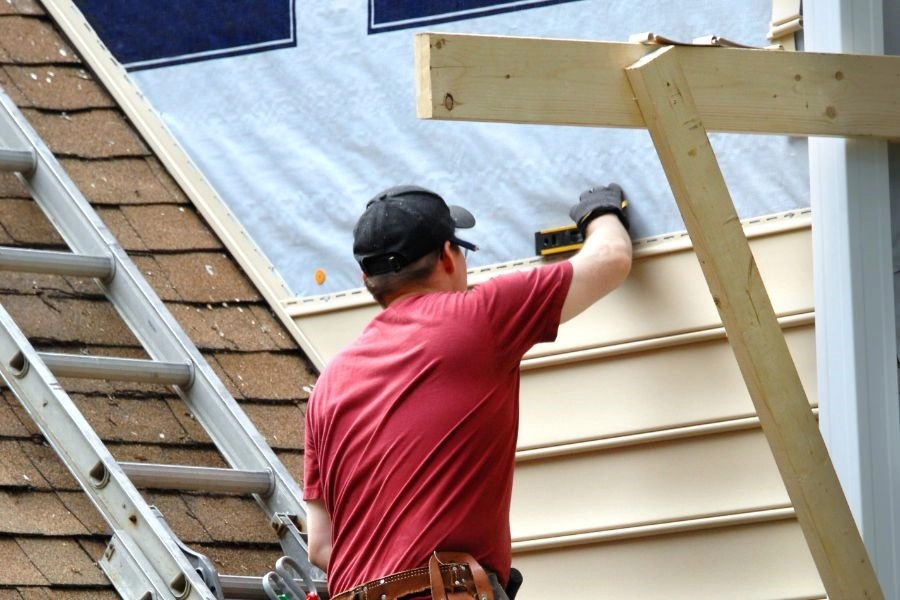
Before replacing siding on a Colorado home, confirm the material carries an impact rating for hail, check your HOA's approved color and material list, and pull the permit required by your city or county. Skipping any of the three is the most common reason a Front Range siding project stalls or gets flagged later at resale. Here is what to weigh before you sign a siding contract.
Why Siding Timing Regularly Follows a Roof Decision
Homeowners regularly plan a siding replacement around the same time as a roof project, either because a hailstorm damaged both or because scaffolding and crew access overlap. Coordinating the two projects with contractors who talk to each other about scheduling avoids paying for equipment setup twice.
Siding Materials That Hold Up to Colorado Hail and UV
Fiber cement holds up well against hail and does not fade as fast as vinyl under Colorado's roughly 300 days of sun a year. Engineered wood siding performs well but needs more attention to moisture sealing in a freeze-thaw climate. Vinyl is the least expensive option but can crack in a hard hail hit and fades faster at altitude than it does at sea level.
Impact Ratings: Why Class 4 Siding Matters on the Front Range
Siding rated Class 4 for impact resistance, tested the same way roofing materials are, resists denting and cracking from hail stones that regularly reach 1 inch or larger along the Front Range and eastern plains during hail season. Ask any Colorado siding contractor for the specific impact rating of the product, not just a general claim that it is "hail resistant."
Freeze-Thaw, Mag Chloride and Why Siding Fails Faster in Colorado
Denver sees well over 100 freeze-thaw cycles a year, and water that gets behind siding through a small gap freezes, expands, and widens the gap over a single winter. Homes near roads treated with magnesium chloride for winter ice control see faster corrosion on any exposed metal trim or fasteners, so ask about corrosion-resistant fasteners if your home sits near a treated street.
What a Written Siding Estimate Should Break Out
A complete estimate lists material cost, labor, tear-off and disposal of old siding, and any decking or sheathing repair separately, along with the permit fee if one applies. Comparing three bids on the same scope is the clearest way to spot an outlier price before you commit.
Cost Ranges for Siding Replacement by Material
| Material (2,000 sq ft home) | Front Range Installed Cost |
|---|---|
| Vinyl siding | $9,000 to $16,000 |
| Fiber cement siding | $16,000 to $28,000 |
| Engineered wood siding | $14,000 to $24,000 |
| Stucco repair and refinish | $8,000 to $18,000 |
DIY vs Professional Siding Installation
Siding installation involves precise flashing and moisture-barrier work at every window, door, and corner, and a gap left by an inexperienced installer is exactly the kind of opening that freeze-thaw cycling turns into a real problem over a Colorado winter. Most manufacturer warranties also require professional installation to stay valid, so a DIY project can leave you without a warranty claim if the siding fails early.
How Long Different Siding Materials Last in Colorado
Vinyl siding commonly lasts 20 to 25 years on the Front Range before UV and impact damage push a full replacement. Fiber cement commonly reaches 30 to 40 years with proper installation and periodic recaulking. Engineered wood siding in most cases lasts 25 to 30 years if moisture sealing is maintained at every seam.
Insurance and Siding: Does It Affect Your Premium
Some Colorado insurers factor exterior wall material and condition into a homeowners premium the same way they weigh roof condition, though the effect is commonly smaller than the roof discount. Ask your agent directly whether upgrading to a more impact-resistant siding material changes your specific policy's rate.
HOA Approval: Colors, Materials and Metro District Rules
Most Front Range HOAs require architectural review before any siding replacement, even a like-for-like color match, and many limit approved colors and materials to a set palette. Metro districts sometimes add separate exterior standards on top of the HOA's own rules, particularly in newer Douglas and Adams county developments. Submit your application and get written approval before ordering materials.
Timing a Siding Project Around Colorado Weather
Most siding installation happens comfortably between late spring and early fall, though many products can be installed through a Front Range winter as long as temperatures stay above the manufacturer's minimum application threshold. Scheduling outside the peak roofing demand of hail season, from mid-April to mid-September, regularly means faster crew availability since the same companies frequently handle both trades.
Permits by City and County for Siding Work
Denver, Aurora, and most Front Range cities require a permit for a full siding replacement, though minor repairs matching existing material are regularly exempt. Unincorporated county areas in Jefferson, Douglas, and Arapahoe counties permit through their own building departments, and the requirements and timelines differ from the nearby city offices, so confirm which jurisdiction actually covers your address.
Stucco and Stone: Front Range Alternatives to Traditional Siding
Stucco is common on newer Douglas and Adams county construction and performs well against wind and UV, but it can crack with foundation movement in expansive clay soil and needs periodic inspection at control joints. Stone veneer accents hold up to hail well but add significant cost per square foot compared with fiber cement or vinyl, so most Front Range homes use it as an accent rather than full coverage.
Siding Color and Colorado Sun: Fading and Heat
Darker siding colors absorb more heat and can warp certain vinyl products faster under sustained high-altitude sun exposure. Lighter colors fade less dramatically over time but can show dirt and pollen more visibly along the Front Range's dry spring winds. Fiber cement and engineered wood hold color better across a wider range of shades than standard vinyl.
Choosing a Siding Contractor: Questions to Ask
Ask the same core questions you would ask a roofer: which city or county the contractor is licensed in, proof of current liability insurance, and a written bid itemizing material, labor, and permit cost separately. Ask specifically how the crew will flash and seal around windows and doors, since that detail work is where most Colorado siding failures start.
Siding Condition and a Colorado Home Sale: Inspection and Curb Appeal
Cracked, warped, or hail-damaged siding is one of the first things a buyer notices before they even walk in, and it shows up on a Front Range inspection report as deferred exterior maintenance. A full or partial siding replacement before listing is one of the more visible curb-appeal investments a Colorado seller can make. The adding value before selling guide covers which exterior repairs return the most at closing, and a Smart Pricing Report accounts for siding condition when setting a realistic list price.
Where to go next
- Preparing and Adding Value Before Selling
- Denver HOA Rules and Fees Guide
- Pricing Your Colorado Home to Sell
- Colorado Hail and Roof Costs: What South Denver Right-Sizers Actually Need to Compare
- Roof Replacement in Colorado: Costs, Lifespan, and Best Materials
- Search every home for sale in Colorado
Talk to the Kenna Real Estate Group
The Kenna Real Estate Group helps Front Range homeowners weigh a siding replacement against what it returns at resale, and walks sellers through HOA approval timing before a listing goes live. Call or text 303-955-4220. A live person answers. Not a robot, not a phone tree. Want to see what's already on the market? Search every home for sale in Colorado.
Homes for sale that match this post
Guides
Questions about any home in Colorado? Call or text 303-955-4220. A live person answers.