New - Just Now

.jpg)


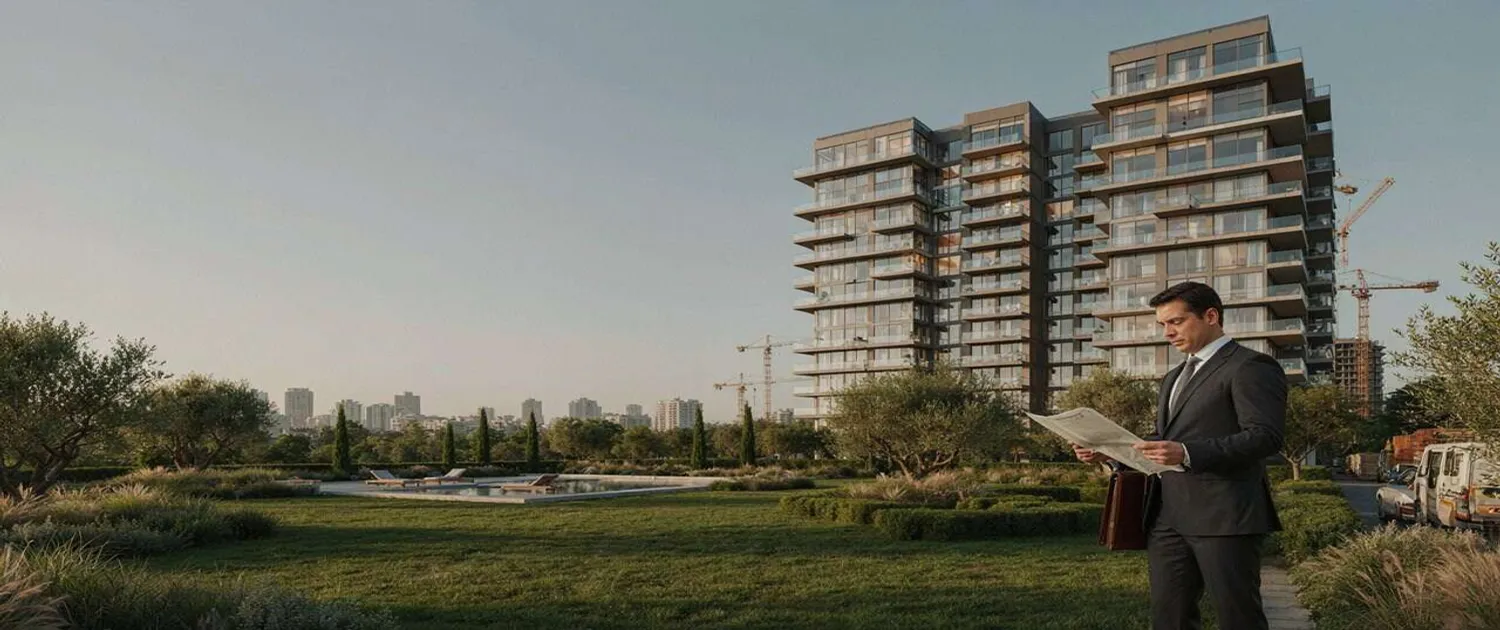
Buying a home before it is built works differently than buying a finished, move-in-ready house. In Colorado's new-construction communities along the Front Range, the contract, the deposit schedule and the closing timeline all run on the builder's terms, not the standard resale contract most buyers expect.
A pre-construction, or "to-be-built," purchase means signing a contract with a builder for a home that has not started construction, or has only broken ground. The buyer picks a floor plan and a homesite, selects finishes from the builder's options list, then waits through a construction timeline that commonly runs 6 to 12 months on the Front Range depending on the builder's backlog and the season.
A spec home is one the builder is constructing on its own schedule with finishes the builder chose; a buyer can still select some options if they get in early enough. A to-be-built home lets the buyer choose the floor plan, elevation and finish package from scratch, but takes longer to close and carries more schedule risk.
Builders commonly require a larger earnest deposit than a resale seller does, commonly several thousand dollars at contract signing with additional deposits due at construction milestones. Read the contract's default and refund clauses closely, since builder contracts are written by the builder's attorneys and are far less negotiable than a resale purchase contract.
Most builder contracts give the builder a wide completion window and limited buyer remedies for delay, unlike a resale contract with a fixed closing date. Buyers renting or selling a current home on a tight timeline should build in a cushion of at least 60 to 90 days beyond the builder's stated estimate before committing to a move-out date.
Rate locks longer than the standard 30 to 60 days commonly cost an extended-lock fee, and some lenders offer float-down options for new construction specifically because build timelines run long. A buyer should ask their lender about an extended or new-construction rate lock before signing the builder contract, not after.
Colorado builders commonly provide a limited warranty covering workmanship for one year, systems such as plumbing and electrical for two years, and major structural components for a longer term set by the builder. Colorado's construction defect laws (CDARA) set a notice-and-opportunity-to-repair process the buyer must follow before pursuing a claim, so keep every warranty document and inspection report from day one.
The Construction Defect Action Reform Act requires a homeowner to give the builder written notice of a defect and a chance to inspect and repair before filing a claim. This process protects the builder's ability to fix an issue but also means a buyer should document problems in writing and keep copies rather than relying on verbal requests during the warranty period.
Most new subdivisions across the Front Range sit inside a metro district that bonds for roads, water and other infrastructure, then repays the debt through a mill levy added to the standard property tax bill. Ask the builder for the district's current mill levy and outstanding bond balance before signing, since that cost runs for decades and varies widely between communities.
Builders commonly offer a closing-cost credit for using their preferred lender, worth up to several thousand dollars on a typical purchase. Compare that credit against a rate quote from an independent lender before deciding; a buyer is always free to use any lender they choose, even when a builder incentive is on the table.
Finished basements, upgraded flooring throughout the main level, and an extended covered patio or deck consistently show up in resale comparisons across Front Range new-build communities. Cosmetic upgrades such as light fixtures and cabinet hardware are easy and cheap to change later, so buyers on a budget should prioritize structural and flooring options over decorative ones.
Concrete and framing work slows during Colorado's winter freeze-thaw cycle, and a home that breaks ground in late fall commonly pushes its closing into the following summer. Builders who pour foundations before the ground freezes stay closer to their original schedule than those starting mid-winter.
A new-construction home still benefits from a pre-drywall inspection and a final walkthrough inspection by a licensed, buyer-paid inspector, separate from the municipal building inspections the builder schedules. Expansive clay soils common along the Front Range make foundation and grading checks worth the inspection fee even on a brand-new slab.
New-construction HOAs commonly start with lower dues that rise once the builder turns the association over to homeowners and reserve funding catches up to actual costs. Ask for the HOA budget and reserve study, not just the current dues number, before comparing a new build against a resale home in an established community.
Pricing depends on the builder's release phase: early lots in a new section commonly price lower than later releases in the same community as the builder raises prices with each phase sold. Buying off-plan in any real estate market, including the real estate market internationally, follows the same logic: earlier commitment brings a lower price in exchange for more schedule uncertainty. Off-plan and to-be-built properties allow buyers to secure pricing ahead of completion, in Colorado and abroad alike, in exchange for that uncertainty.
Focus on the completion-date language, the deposit and default clauses, the change-order pricing for upgrades, and any binding arbitration clause. A buyer's agent who does not work for the builder can review the contract and negotiate closing-cost credits or upgrade allowances before the buyer signs, at no extra cost to the buyer in most Colorado new-build transactions.
The Kenna Real Estate Group represents buyers on new-construction and to-be-built contracts across the Front Range at no cost to the buyer, reviewing builder terms and negotiating upgrade credits before you sign. Call or text 303-955-4220. A live person answers. Not a robot, not a phone tree. Start by browsing search every home for sale in Colorado, including active new-construction communities.
Questions about any home in Colorado? Call or text 303-955-4220. A live person answers.
Most Front Range to-be-built homes take 6 to 12 months from contract to closing, depending on the builder's backlog and the season construction starts.
Yes. A buyer-paid pre-drywall and final walkthrough inspection catches issues that municipal building inspections do not always cover, including foundation and grading concerns on expansive clay soils.
Builder contracts are less negotiable than resale contracts, but completion-date language, deposit terms and upgrade pricing are commonly open for discussion, especially with a buyer's agent involved.
No. Ask the builder for the community's current mill levy and outstanding bond balance separately, since that cost is added to the standard property tax bill for decades.
Compare the builder's closing-cost credit against an independent lender's rate quote. Buyers are free to use any lender, and the credit is not always the better deal.
Most builders cover workmanship for one year, systems like plumbing and electrical for two years, and major structural items for longer, subject to Colorado's construction defect notice-and-repair process.