New - Just Now
.jpg)



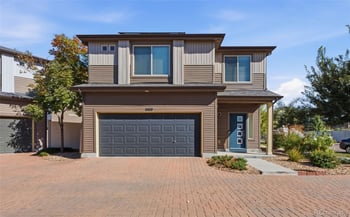
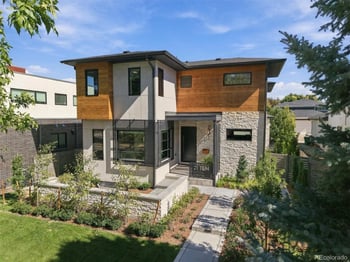
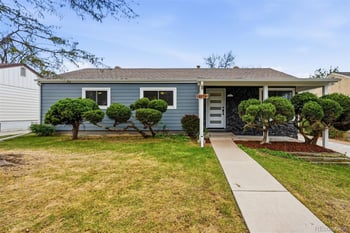
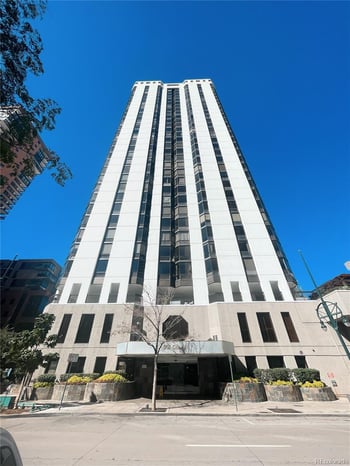
A condo in the Denver metro runs $150,000 to $250,000 less than a comparable single-family house in the same ZIP code, and the monthly HOA dues take over most of the maintenance a house owner handles alone. That trade-off — a lower purchase price and less upkeep in exchange for a monthly fee and shared decision-making — is why a growing share of Front Range buyers, including many first-time buyers, is choosing condos over houses.
Across Denver, Aurora, Lakewood, and Centennial, a one- or two-bedroom condo lists for roughly $280,000 to $450,000, while a comparable three-bedroom single-family house in the same area lists for $475,000 to $650,000. The gap is bigger downtown, where a Denver LoDo loft costs a fraction of a detached house near the same amenities. Search current inventory across the metro at every home for sale in Colorado.
Colorado condo HOA dues run $250 to $600 a month depending on the building's age, amenities, and insurance costs. That fee replaces line items a house owner pays separately:
Read the HOA's rules and fee structure before writing an offer; a full breakdown of what Colorado associations can charge and enforce is in the Denver HOA rules and fees guide.
Yes, on day-to-day upkeep. A house owner in Colorado budgets for roof replacement every 20 to 30 years, gutter cleaning every fall, lawn water in a dry climate, and exterior paint every 7 to 10 years. A condo owner writes one monthly check and the association schedules the work. The trade is control: a condo owner cannot pick the roofing contractor or delay a special assessment the way a house owner can delay a discretionary repair.
Both can lose value, and condos move with the same interest-rate and inventory cycles as houses. Denver metro condo and townhome sales have told a different story than single-family homes in some recent quarters — condo inventory sits longer when rates rise, because condo buyers are more rate-sensitive than move-up buyers with equity from a prior house. A condo in a well-managed building with a fully funded reserve holds value better than one in a building facing a large special assessment.
A condo owner holds title to the interior airspace only; the HOA owns and maintains the building exterior, roof, and land. A townhome owner holds title to the structure and a small footprint of land, and the HOA maintains shared areas like streets and open space but not each unit's roof or siding. Townhomes carry lower monthly dues than condos in most cases because owners handle more of their own exterior maintenance. Compare both formats in the patio homes, townhomes, and condos guide.
It depends entirely on the HOA's governing documents. Some Front Range associations cap the percentage of units allowed to be leased at one time, require a minimum lease term of six or twelve months, or ban short-term rentals outright. A buyer planning to rent the unit out, now or later, needs the current rental cap and waitlist status in writing before closing — not a verbal answer from the listing agent. Denver's own short-term rental rules add a separate layer on top of any HOA restriction; see the Denver short-term rental eligibility guide before assuming a unit qualifies.
The first-time home buyer guide for Colorado walks through the rest of the purchase process, and a Colorado mortgage pre-approval confirms the budget before touring.
When a building's reserve fund cannot cover a major repair — a new roof, an elevator replacement, or a parking structure repair — the HOA board votes a special assessment and bills every owner a lump sum or an added monthly charge for a set period. Assessments of $5,000 to $25,000 per unit are not unusual after a large structural repair. A buyer under contract should ask directly whether the board has approved or is discussing any assessment; the HOA special assessment guide for Denver condo buyers covers what to request from the seller before closing.
Downtown Denver and LoDo carry the highest concentration of condo and loft inventory, followed by Cherry Creek, the Denver Tech Center corridor, and Highlands Ranch. See current listings and building-by-building notes in the Downtown Denver and LoDo condos and lofts guide and the Denver condos, townhomes, and lofts guide. South of Denver, the Highlands Ranch condo, townhome, and sub-association guide covers a market with its own layered HOA and sub-association fee structure. Browse condo inventory by city at Colorado condos for sale by area.
A condo costs less to acquire than a house, which lowers the entry barrier for a first rental purchase, and the HOA handles exterior maintenance that a house-owning landlord would otherwise schedule directly. The trade-off is the rental cap question above, plus dues that eat into cash flow every month whether the unit is occupied or not. Run the numbers against a house purchase using the rental property checklist for Colorado before deciding.
Most Front Range HOAs raise dues on a schedule tied to insurance renewal and reserve-funding targets, commonly 3% to 8% a year. Buildings that under-fund their reserve for several years in a row face larger jumps, or a special assessment, when a major repair finally comes due. Ask for three years of budget history, not just the current-year number.
Colorado's Common Interest Ownership Act requires the seller to provide a resale certificate that includes current dues, the reserve study, the budget, insurance information, and any pending litigation or assessments before closing. A buyer's agent reviews this packet during the inspection objection period, which is the deadline to raise concerns found in HOA documents alongside the physical inspection.
Lenders underwrite the building, not just the buyer, on a condo purchase. A building with a high rental percentage, a low reserve balance, or pending litigation can fail to qualify for conventional or FHA financing even when the buyer is fully approved individually. The Colorado home financing guide and Kenna Credit Care mortgage readiness program both cover condo-specific underwriting steps before a buyer falls in love with a unit that cannot close.
Secured entry, an assigned or deeded parking space, in-unit laundry, and a dedicated storage unit consistently rank ahead of shared fitness rooms or rooftop decks in Denver-area buyer surveys from local agents. A parking space is worth negotiating for specifically in downtown Denver buildings, where it is a separately deeded asset rather than an included feature.
A condo purchase does not have to be permanent. Many Front Range buyers use a condo as a starter purchase, build equity for three to five years, and move up to a house once income or space needs change. Trading up works best when the condo appreciated enough to cover selling costs and a down payment on the next purchase; track building-level trends before assuming that math works.
A reserve study is an engineer's estimate of when major building components — roof, elevator, parking structure, siding — will need replacement, and how much money the association should be setting aside now. A building funded below 70% of its reserve study target carries higher risk of a special assessment in the next five years. Ask for the most recent reserve study, not a summary, before removing financing contingencies.
Condo and townhome HOAs clear sidewalks, parking areas, and building entries within a set window after a snowfall, written into the association's rules. A house owner in Denver, Lakewood, or Aurora is individually responsible for clearing the public sidewalk in front of the property within the city's required timeframe, with fines possible for missing the deadline.
Condo buyers pay an HOA transfer fee (commonly $150 to $400), a resale certificate fee charged by the management company, and sometimes a working-capital contribution to the association at closing. Budget an extra $300 to $800 beyond a typical house closing for these HOA-specific charges.
The Kenna Real Estate Group helps Front Range buyers weigh a condo against a house with real numbers: current HOA dues, reserve health, financing eligibility, and resale trends in the specific building or neighborhood a buyer is considering. Call or text 303-955-4220. A live person answers. Not a robot, not a phone tree. Start by browsing search every home for sale in Colorado.
Questions about any home in Colorado? Call or text 303-955-4220. A live person answers.
A condo runs $150,000 to $250,000 less upfront than a comparable house in most Front Range submarkets, but HOA dues of $250 to $600 a month offset part of that savings over time.
Exterior maintenance, snow removal, master building insurance, water and sewer in many buildings, and contributions to the reserve fund for future major repairs.
Only if the HOA's governing documents allow it. Many Front Range associations cap the percentage of units allowed to be leased and require the buyer to check the waitlist before closing.
A lump-sum or added monthly charge the HOA bills every owner when the reserve fund cannot cover a major repair such as a new roof or elevator replacement, commonly $5,000 to $25,000 per unit.
A townhome owner holds title to the structure and a small lot; a condo owner holds title only to the interior airspace, with the HOA owning the building exterior and land.
Only if the building itself meets lender approval standards for reserve funding, rental percentage, and litigation status, separate from the individual buyer's qualification.
The reserve study, 12 months of HOA meeting minutes, the delinquency rate, and written confirmation of the current rental cap status.
It can work when the rental cap allows leasing and the numbers pencil against dues, but a house-owning landlord keeps more control over maintenance timing and cost.