.jpg)


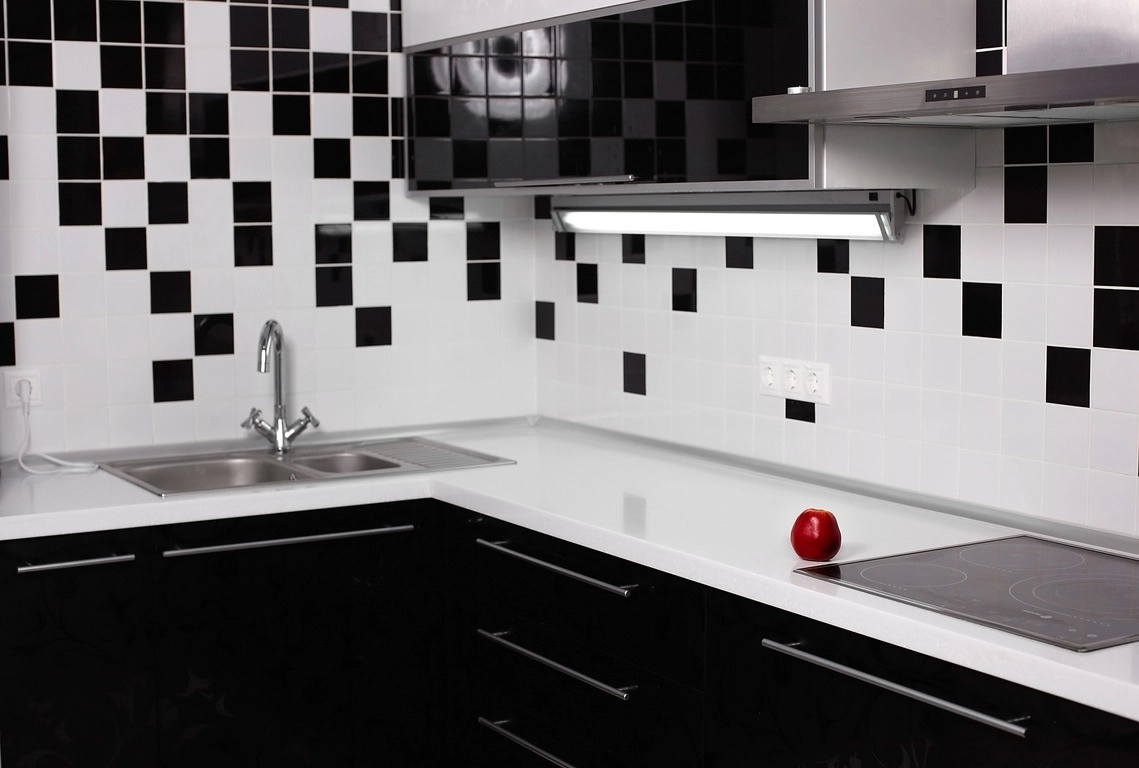
A Colorado kitchen backsplash peels faster than the same installation would in a humid climate, and the cause is almost always the state's dry air combined with big daily temperature swings. Front Range homes see single-digit humidity for weeks at a time, then a summer thunderstorm or a steamy pot of pasta water spikes moisture against the wall for a few minutes. That cycle of expansion and contraction breaks adhesive bonds years before a poorly installed backsplash would fail anywhere else.
Denver averages under 30% relative humidity for long stretches, especially in winter when forced-air heat dries indoor air further. Materials that expand and contract with humidity, including tile adhesive, grout and peel-and-stick backing, shrink more in a Front Range kitchen than in a coastal or Midwest home. Add altitude, which changes how adhesives and sealants cure by changing evaporation rate, and a product rated for sea-level installation can under-perform at 5,280 feet unless it is applied exactly to the manufacturer's Colorado-relevant instructions.
Poor surface preparation is the most common cause: walls need to be clean, dry and free of grease before adhesive goes on. Cheap adhesives that look fine on installation day lose their grip within months once they meet daily temperature swings near a stove or a bathroom vanity. Steam, cooking oil and water splashes compound the problem in a kitchen; humidity swings do the same behind a farmhouse peel-and-stick backsplash in a bathroom.
Ceramic and porcelain tile set with a moisture-resistant, flexible adhesive built for temperature swings perform best in a Colorado kitchen. Natural stone needs sealing on a shorter schedule here because dry air pulls moisture out of grout lines faster. A farmhouse peel-and-stick backsplash or a metal-look product works for a rental or a quick refresh, but these have a shorter lifespan in this climate than a properly tiled surface and are worth budgeting to replace every few years rather than expecting decade-long durability.
Use adhesives rated to resist both moisture and temperature swings, and match the product to the room: a kitchen backsplash needs a different adhesive than a bathroom vanity backsplash because of the difference in steam exposure. Water-resistant grout adds a second layer of protection in areas prone to dampness, such as behind a stove or sink. A thoughtful material choice at installation cuts the odds of a callback within the first two years.
Surface preparation matters more here than in a humid climate: walls should be clean, dry and free of dust or grease before adhesive goes on, and any damaged drywall should be repaired first. Distribute adhesive evenly across the tile back to avoid weak points, and follow the manufacturer's curing time exactly rather than rushing the job to get a kitchen back in use. Bonding done in a hurry, especially in a dry Colorado house where adhesive can skin over fast, is the single biggest cause of early peeling.
A minor repair, reapplying adhesive or grout to a few loose tiles, runs $150 to $400 for a professional in the Denver metro. Replacing an entire kitchen backsplash section runs $800 to $2,500 depending on tile material and square footage, more for natural stone. A full peel-and-stick replacement runs far less, commonly $200 to $600 in materials for a DIY installation.
| Repair Type | Typical Denver Metro Cost | Best For |
|---|---|---|
| Spot re-grout or re-glue, a few tiles | $150 to $400 | Early-stage peeling, small area |
| Full tile backsplash replacement | $800 to $2,500 | Widespread peeling, ceramic or porcelain |
| Natural stone backsplash replacement | $1,500 to $4,000 | Kitchens being prepared for a higher list price |
| DIY peel-and-stick refresh | $200 to $600 in materials | Rentals, quick pre-listing updates |
Interior finishes like a kitchen backsplash are almost never regulated by a Denver-area HOA or metro district, since those rules govern the exterior of a home and shared common areas. A condo building's reserve study and any related renovation policy can still require notice for work involving plumbing shutoffs near a kitchen sink, so check the building rules before scheduling a full tear-out in a shared building.
A peeling backsplash is a cosmetic issue, not a structural one, so it rarely appears on a standard Colorado home inspection report unless the peeling has let water reach the drywall behind it. An appraiser notes visible deferred maintenance, which can factor into condition ratings. Buyers touring a listing read a peeling backsplash as a sign of neglected upkeep even when the rest of the kitchen is in good shape.
Yes, in almost every case. A backsplash repair costs far less than the price reduction buyers mentally apply when they see visible peeling during a showing. For a seller weighing which kitchen fixes are worth the money before listing, a home value improvement guide and a current Smart Pricing Report help decide where the repair budget goes furthest.
Evaluate the damage first. For a few loose tiles, remove them, clean the wall thoroughly and reapply with a Colorado-appropriate adhesive and grout. For widespread peeling across a section, replace the whole run rather than patching piece by piece, since a patched section rarely matches the surrounding grout color once it ages. A contractor familiar with Front Range humidity swings will also check for water intrusion behind the tile before resealing, since moisture trapped against drywall can lead to a larger repair than the visible peeling alone suggests.
Seal grout lines on a regular schedule to keep them resistant to moisture. In a bathroom, run the exhaust fan during and after a shower to control humidity swings against a peel-and-stick backsplash. In a kitchen, use the range hood while cooking to capture steam and grease before they reach the wall. Regular cleaning with a non-abrasive product protects the finish without breaking down the adhesive underneath.
Front Range winters bring dry furnace air indoors and mag chloride tracked in on boots and paws outdoors. Neither directly touches a kitchen backsplash, but the combination of low indoor humidity and repeated door-opening temperature swings through a Colorado winter is exactly the cycle that shortens adhesive life. A whole-house humidifier that keeps indoor humidity in a moderate range reduces stress on backsplash adhesive along with wood trim and cabinetry.
Ready to keep your kitchen looking its best before you sell, or want a second opinion on a repair versus a full replacement? The Kenna Real Estate Group works with Front Range contractors who know how Colorado's dry air and temperature swings affect a home. Call or text 303-955-4220. A live person answers. Not a robot, not a phone tree. Or search every home for sale in Colorado right now.
Questions about any home in Colorado? Call or text 303-955-4220. A live person answers.
Colorado's low humidity and big daily temperature swings shrink and expand adhesive faster than in a humid climate, breaking the bond between tile or peel-and-stick material and the wall years earlier than it would fail elsewhere.
Yes. Altitude changes how quickly adhesives and sealants evaporate and cure, so a product rated for sea level can underperform at 5,280 feet unless it is applied exactly to the manufacturer's instructions for the climate.
A minor repair on a few tiles runs $150 to $400 for a professional. Replacing a full backsplash section runs $800 to $2,500 depending on material, or $200 to $600 in materials for a DIY peel-and-stick refresh.
It is a cosmetic issue, not structural, so it rarely appears directly on a Colorado inspection report unless moisture has reached the drywall. An appraiser can still note it as visible deferred maintenance.
Yes. The repair almost always costs less than the price reduction buyers apply mentally when they see visible peeling during a showing.
Ceramic or porcelain tile set with a moisture- and temperature-resistant adhesive holds up best. Peel-and-stick products work for a quick refresh but need replacing sooner in this climate.
Seal grout lines on a regular schedule, run the range hood while cooking and the bathroom fan during and after a shower, and keep indoor humidity moderate with a whole-house humidifier through Colorado's dry winter months.