.jpg)


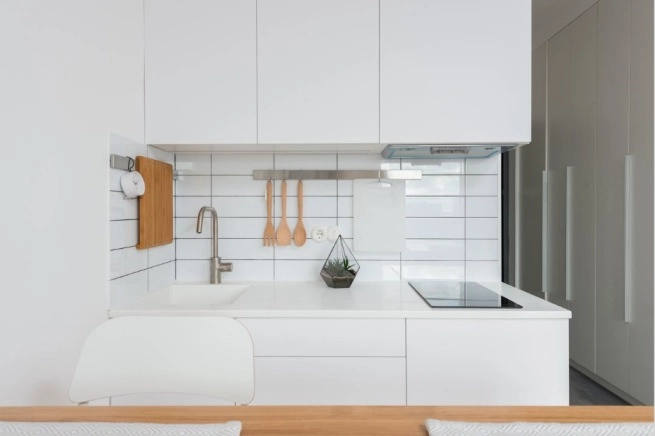
The backsplash tile that returns the most at closing in Front Range kitchens is a simple format installed with the right grout for hard water, not the boldest pattern in the showroom. Denver metro buyers respond to clean, well-grouted tile in listing photos; they do not pay extra for a busy mosaic. Here is how to choose tile and grout that hold up to Colorado's water, altitude and sun, and that earn back their cost at resale.
What Backsplash Tile Works Best for a Front Range Kitchen
Subway tile, a simple hexagon, or a large-format porcelain slab are the three patterns Denver metro buyers respond to most in listing photos and in showings. Handmade zellige and heavy mosaic patterns photograph well on social media but read as a personal choice to a buyer touring your kitchen, and they cost more per square foot to install and to repair.
Does Front Range Hard Water Stain Tile and Grout
Denver metro tap water runs 7 to 15 grains per gallon of hardness. Splashes near the sink and stove leave a white mineral film on both glazed tile and grout if they sit uncleaned, and unsealed grout absorbs that mineral faster than sealed grout. A penetrating grout sealer applied within 72 hours of installation, reapplied every 12 to 18 months, keeps that hard-water film from setting into the grout lines permanently.
Does Colorado's Dry Air Crack Backsplash Grout
Indoor humidity on the Front Range drops to 10% to 25% during winter heating season, and that swing pulls moisture out of cement-based grout faster than in a humid climate. Grout that cures too fast develops hairline cracks at the corners and where tile meets the countertop. Epoxy grout resists that cracking better than standard cement grout, and it costs $2 to $4 more per square foot installed, which is the difference worth paying on a Front Range remodel.
What Tile Pattern Returns the Most at Resale in Denver Metro
A full-height backsplash behind the range or a picture-frame tile detail returns more in showings than a standard 4-inch splash, because it reads as a finished, updated kitchen rather than a builder-grade one. Buyers in the $500,000 to $750,000 Front Range band expect at minimum a full-height backsplash behind the cooktop; buyers above $750,000 expect that treatment across the entire counter run. The kitchen-first selling guide covers why this one room drives offer price more than any other in a Colorado listing.
Do You Need a Denver Permit to Install a Backsplash
Tiling over existing drywall or backer board needs no permit from Denver Community Planning and Development or from the Arapahoe, Jefferson or Douglas County building departments. A permit is required the moment the project moves an electrical outlet or switch behind the tile, since that is new electrical work under the Denver building code. Plan the outlet location before the tile order goes in; moving it after tile is set costs far more than moving it during framing.
What Backsplash Pairs With Quartz Versus Granite Countertops
A quartz counter with a tight, uniform pattern pairs with a bolder tile, since the counter itself stays calm. A granite counter with heavy veining pairs better with a simple subway or a single-color field tile, so the counter stays the visual focus. Our granite versus quartz ROI guide for Front Range sellers breaks down which surface returns more at closing by price band.
What Backsplash Pairs With Green Kitchen Cabinets
White or cream tile with a slim grout line keeps a sage or olive kitchen from feeling dark, and it is the combination that photographs best for a listing. Our green kitchen cabinet guide for Colorado homes covers which shades hold resale value in each price band.
How Much Does a Kitchen Backsplash Cost in Metro Denver
| Material | Installed cost per sq ft |
|---|---|
| Ceramic subway tile | $18 to $28 |
| Porcelain large-format tile | $25 to $40 |
| Natural stone mosaic | $35 to $55 |
| Handmade zellige | $50 to $80 |
A 30-square-foot Front Range kitchen backsplash runs roughly $600 to $2,400 depending on material, plus $200 to $400 more if an outlet moves. This kitchen backsplash tile guide covers pattern layouts and cut counts in more detail.
Should You Tile to the Ceiling or Stop at 18 Inches
Tiling to the underside of the upper cabinets, or to the ceiling if there are no upper cabinets on that wall, reads as a finished remodel in a listing. Stopping the tile 4 inches above the counter reads as a builder-grade kitchen that has not been touched since the home was built. If your budget only covers one wall, tile the range wall full height and leave the rest at the standard splash height.
Can a DIY Backsplash Installation Hurt Resale Value
Uneven grout lines, tile that is not level with the cabinet reveal, and grout that does not match across a repair patch are the three DIY mistakes a buyer's agent points out first during a showing. A professional installation on a 30-square-foot kitchen backsplash runs $600 to $1,200 in labor on top of material cost, and that labor cost is what keeps grout lines straight enough to survive a listing photo.
Does Colorado UV Fade Glass Tile Near a Window
Glass tile near a west- or south-facing window takes direct Colorado sun for part of the day, and lower-quality glass tile can shift color or develop a hazy film over several years of that UV exposure. Kiln-fired glass and porcelain hold their color under that light; budget glass tile does not always carry the same UV rating, so check the manufacturer's spec before installing glass tile on a sun-facing wall.
What Backsplash Trends Are Denver Metro Buyers Responding to in 2026
A vertical stack-bond layout and a slim, extended-height slab behind the range are the two patterns showing up most in current Front Range remodels. Colored grout in a tone close to the tile itself is replacing stark white grout lines, since it hides the hard-water spotting between cleanings and reads as more current in listing photos. A single accent row, in a contrasting color or a natural stone chip, dresses up a simple subway layout without the cost of a full mosaic wall.
Does an HOA or Metro District Review Interior Tile Choices
No. Backsplash tile is an interior finish and is outside the reach of every Front Range HOA and metro district architectural review, which covers exterior paint, roofing and landscaping, not what is inside your kitchen. Our Highlands Ranch HOA rules and covenants guide covers what those boards actually review before a larger remodel.
How Do You Keep Grout Lines From Cracking at 5,280 Feet
Let tile and grout acclimate to the room's actual temperature and humidity for at least 24 hours before installation, use a flexible additive in the grout mix rather than a straight cement blend, and avoid running the range hood or a space heater directly on fresh grout during the cure window. Those three steps address most of the hairline cracking that Colorado's dry, low-humidity cure environment otherwise causes in the first year after installation.
Where to go next
- Granite versus quartz ROI guide for Front Range sellers
- Green kitchen cabinet guide for Colorado homes
- How sink choice affects your countertop and cabinet design
- Preparing and adding value before selling
- Request a Smart Pricing Report for your home
- Search every home for sale in Colorado
Talk to the Kenna Real Estate Group
The Kenna Real Estate Group can tell you whether your kitchen's current backsplash needs an update before you list, and how much a Front Range buyer will pay for the change. Call or text 303-955-4220. A live person answers. Not a robot, not a phone tree. Or search every home for sale in Colorado to see how other Front Range kitchens are finished right now.
Homes for sale that match this post
- Homes with Gourmet Kitchen in Denver
- Special Districts Property Tax Guide in Denver
- HOA Rules and Fees Guide in Denver
- All homes for sale in Denver
Guides
Questions about any home in Colorado? Call or text 303-955-4220. A live person answers.