Baker is not one uniform choice. A home near Broadway or Acoma can put shops and evening activity close to the front door, while a home farther inside the neighborhood changes the exposure to Broadway, Lincoln, and the rail corridor. The same neighborhood name can produce a different parking routine, repeated trip, and amount of weekend or train noise.
Denver city limits and neighborhoods map
The navy shape is the City of Denver as the US Census Bureau draws it in its 2026 boundary data. The sage shapes around it are the neighboring towns and unincorporated areas. Teal pins mark landmarks. Rust pins mark local favorites: places to eat, shop and get outside. Sage pins mark Denver neighborhoods with homes for sale, each placed at the center of its listings.
Tap a pin to open that area
- Landmark pin
- Local favorite: places to eat, shop and get outside
- Neighborhood pin
- Denver city limits
- Outside the city: another town or city
- Outside the city: unincorporated (uninc.)
- County line
- Highway
Map not to survey scale. Boundaries are simplified for display; the official city and county sites below are the record for any one address.
Sources: US Census Bureau TIGER/Line and TIGERweb boundaries and roads, 2026 vintage; US Census Bureau Geocoder; Neighborhood pins: average location of each community's active and coming-soon MLS listings on kennarealestate.com, pulled October 11, 2026; Landmarks and local favorites: each place's official website or the managing agency's page.
Local favorites in Baker
- Hi-Dive: Small live music club on South Broadway booking local and touring indie, punk and rock bands.
- Sweet Action Ice Cream: Ice cream shop on Broadway churning small-batch flavors in house, including a long list of vegan options.
- Historians Ale House: Ale house on Broadway serving burgers and pub fare alongside a long draft list of craft beers.
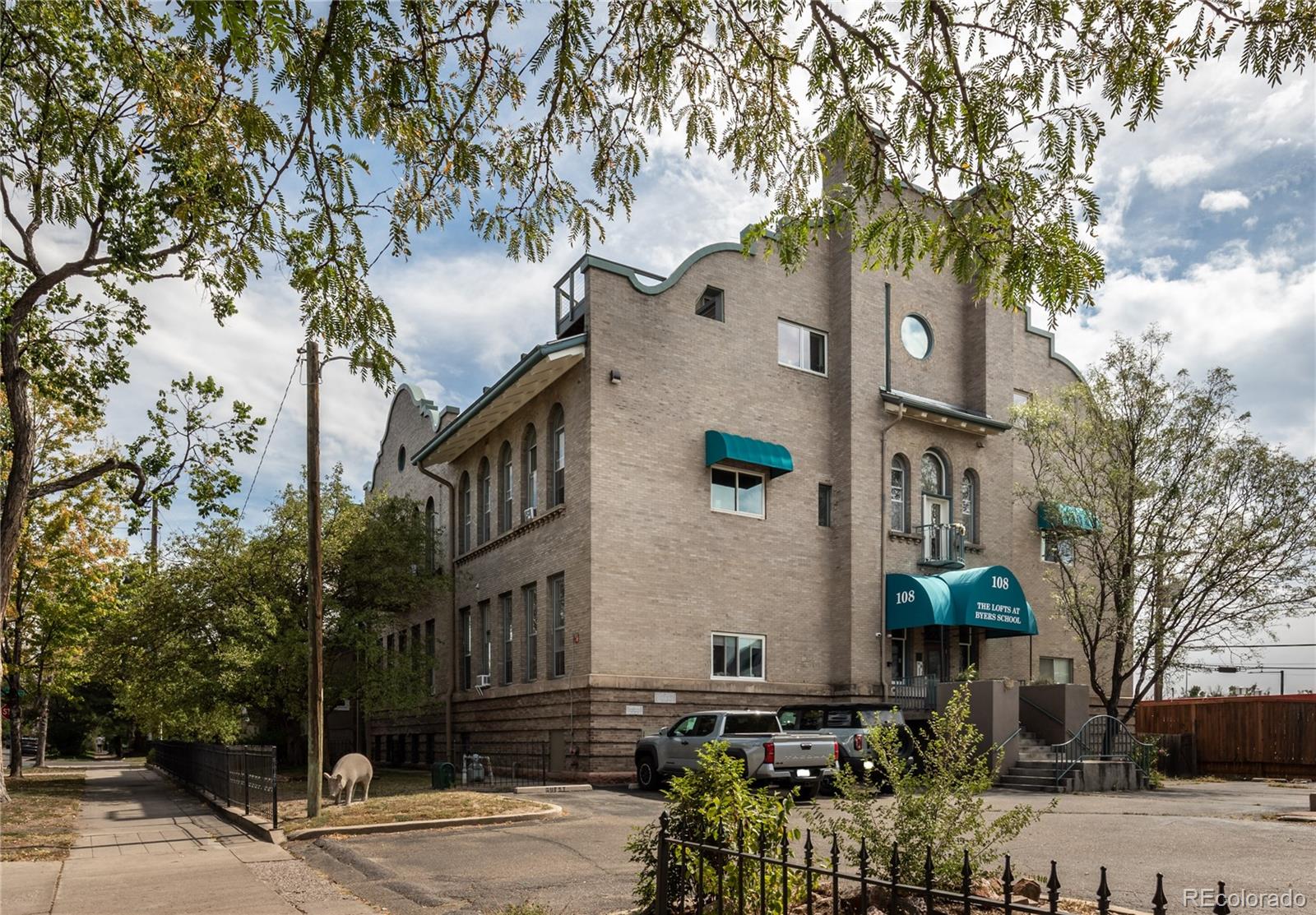
The second choice is the home itself. Baker residents describe a “mix of old Victorian homes with renovated homes.” That mix is part of the appeal, but it also means you should compare what was changed, what the city recognizes, how the rear of the lot works, and whether mapped historic-district review affects an exterior project.
Broadway, Acoma, or Farther Inside Baker?
A resident who had lived near both Bannock and Acoma said, “I love the walkability and variety of the neighborhood,” while also describing more Broadway and train noise from one setting than another. Another Baker resident described Broadway and Lincoln as places where “traffic back up ... mornings and evenings.” These are individual experiences, not promises about every block. They point to the comparison that matters: how close do you want to be to the activity, and what will you hear or cross on the block you choose?
Broadway and Acoma side
Shops, restaurants, and evening destinations can be close. That closeness makes a weekend-evening visit important: listen from the exact home before deciding.
Interior blocks
You can remain near Broadway while putting more residential blocks between the home and the corridor. Compare the actual walk to errands rather than treating all of Baker as equally convenient.
Santa Fe and rail side
This side changes the first segment toward Santa Fe Drive, the river edge, and Alameda Station. Train sound and the crossing toward Broadway become home-specific questions.
A resident review connected Baker with “easy access to night life on Broadway.” That may be a reason to keep an east-side home on the list if those destinations are part of your week. If evenings at home matter more than immediate corridor access, compare an interior block and listen at the time you would normally be there.
Test the Errands and Trips You Will Repeat
“Walkable” only helps when the places you use are practical from the home you are considering. One resident praised Baker's “walkability and variety,” but the useful question is narrower: can you reach your grocery stop, coffee shop, gym, park, or Broadway destination by the path you would actually take? Trace those trips from each finalist. A short-looking distance can still include a major crossing or a block that feels different after businesses become busy.
| Routine | What to compare | What could rule out the home |
|---|---|---|
| Broadway errands and evenings | The actual door-to-door walk, the crossing you will use, and the home during a busy evening. | The nearest useful destinations are not on your side of the corridor, or weekend activity reaches the home more than you want. |
| Alameda Station | The home-to-station walk or bike segment and current RTD service. | RTD lists no station parking, so a plan that depends on leaving a car there does not work. |
| A repeated drive | The first segment toward Broadway, Lincoln, Santa Fe Drive, Alameda Avenue, or I-25 at the hour you travel. | The neighborhood exit adds the friction you were trying to avoid. |
Denver's Baker transportation record places the neighborhood between the South Platte River and Broadway, from West 6th Avenue to East Mississippi Avenue. It also records local transportation and parking priorities gathered from the neighborhood. Use that geography to choose which edge to test; do not turn an old action plan into a promise about current travel time or completed street work.
Older and Renovated Homes Need Two Different Comparisons
The resident description of a “mix of old Victorian homes with renovated homes” captures what a buyer may notice, but it does not prove the history or quality of any listing. Denver's Baker Historic District record gives the local reason to look more closely: it describes narrow and deep lots, varied alleys, garages, carriage houses, and larger secondary structures that have sometimes been converted into homes.
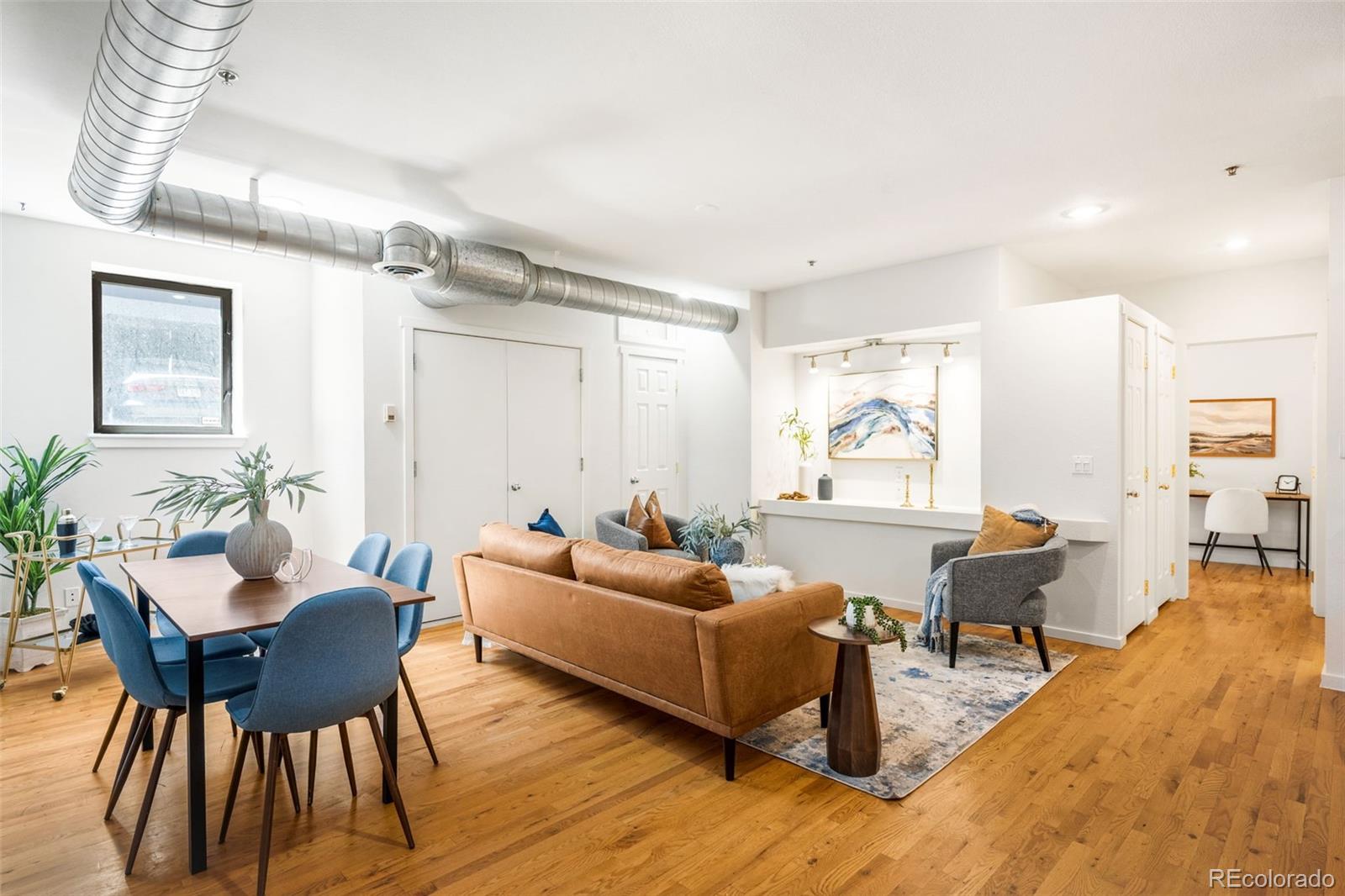
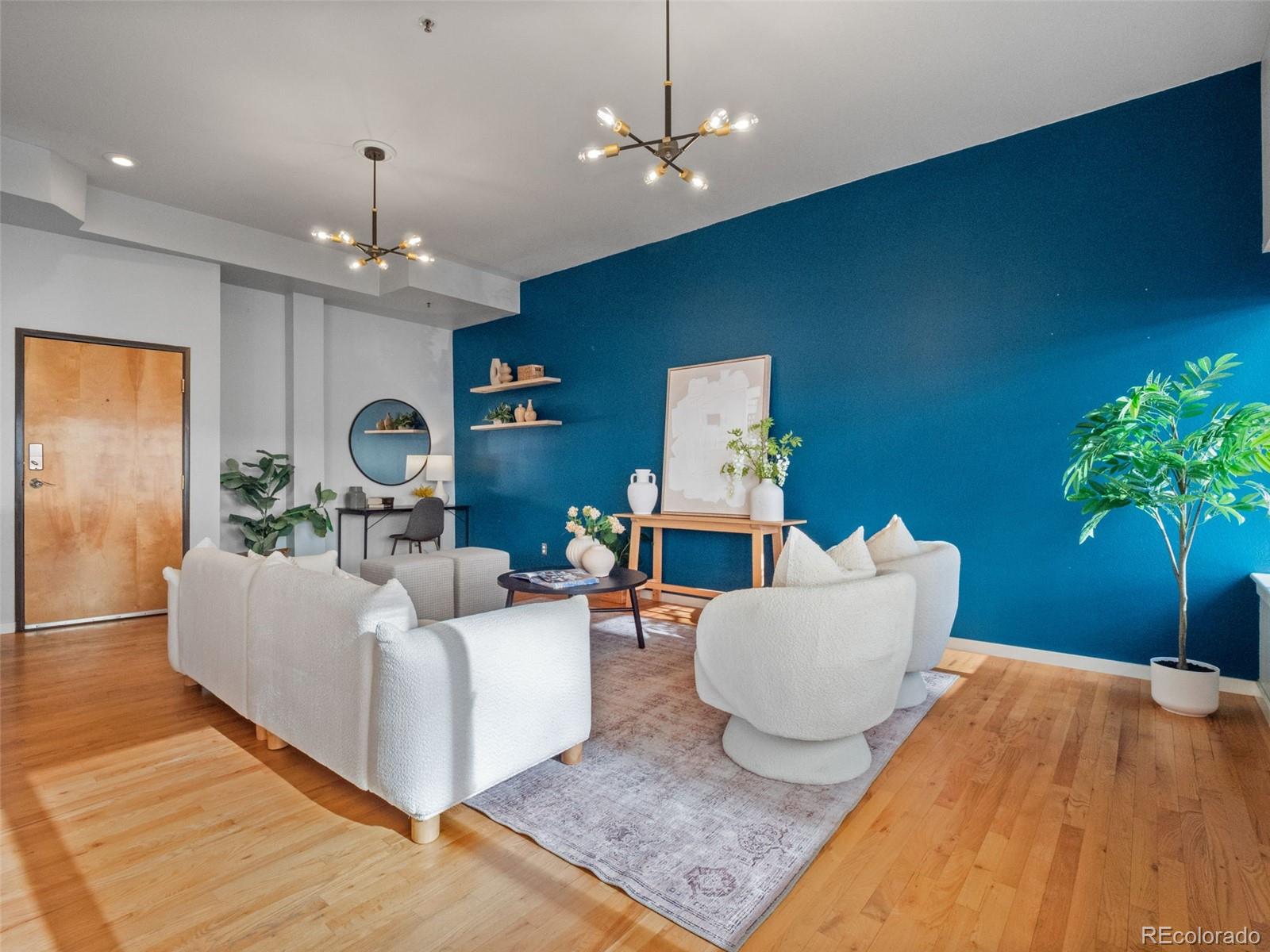
First compare the physical setup. Look at the garage or parking space, how a vehicle reaches it, the rear structure, the yard, and whether the layout works without an assumed conversion. Then compare the city's property and permit records with what the listing says was changed. A finished space or rear structure can add real usefulness, but only the exact records and inspection can tell you what the city recognizes and what still needs investigation.
The Baker neighborhood and the mapped Baker Historic District are not interchangeable. Denver's historic-landmarks map lets you check the exact home. If the home is inside the district, design review can affect qualifying exterior alterations, additions, new construction, signs, and site work. That belongs in the renovation schedule before you treat a contractor estimate as the whole project plan.
Parking and Noise Can Change by Day and Block
A long-time Baker resident reported “trouble parking ... on street-sweeping days,” while other people in the same discussion described different experiences. That disagreement is useful: it shows why a neighborhood-wide parking claim would be misleading. Confirm whether the home has a garage, deeded or leased space, alley access, posted limits, or street-only parking. Read the signs on the finalist block and visit when you would normally return home.
Listen with the same care. Broadway activity can change on weekends, Broadway and Lincoln traffic can change by hour, and the rail corridor can be heard differently from one location to another. Stand inside the home with the windows open and closed, then walk the block. If you would use a bedroom, office, or outdoor space facing the louder edge, make that room part of the visit rather than relying on a map.
Keep Baker on the list when an actual block supports your errands and repeated trip, and the home gives you workable parking, access, and renovation expectations.
Narrow within Baker when Broadway access, an interior setting, Alameda Station, or the Santa Fe and rail side matters more than the neighborhood name.
Cross off a home or Baker when weekend or train noise, parking timing, the repeated trip, mapped district review, rear access, or recognized use conflicts with what you need from the home.
Use the Exact Home for the Final Records Review
After Baker and one internal setting still deserve a tour, consolidate the property-specific work. Denver Property Search is the starting point for the property and assessment record. Use Denver's permit resources when the listing describes an addition, converted rear structure, finished space, or other completed work. Use the historic-landmarks map before budgeting qualifying exterior changes.
Screen the exact home in Denver's Floodplain map too. The map explains that the regulatory floodplain is the Special Flood Hazard Area and does not represent every kind of flood risk. If the home is mapped there, ask Denver permitting staff and the insurer what that changes; do not make a flood claim about Baker as a whole.
For an attached home, your Kenna agent can obtain the declaration, budget, reserves, insurance information, rules, meeting records, and planned-work notices through the seller. Compare the dues, parking rights, maintenance responsibilities, and any planned assessment with the detached-home alternative. Finish by repeating the parking, errands, station, and travel observations from the exact home at the time you expect to use them.
Sources Used for Baker Decisions
Resident discussions and reviews
Compare Current Baker Homes
See current Baker homes, then compare each finalist by block position, parking, repeated trips, home form, and the records that apply to that exact home. Kenna Real Estate Group can pull the property, permit, and association records, talk through the parking and historic-district questions, and help you decide what to offer.