Start With the Exact Property Record
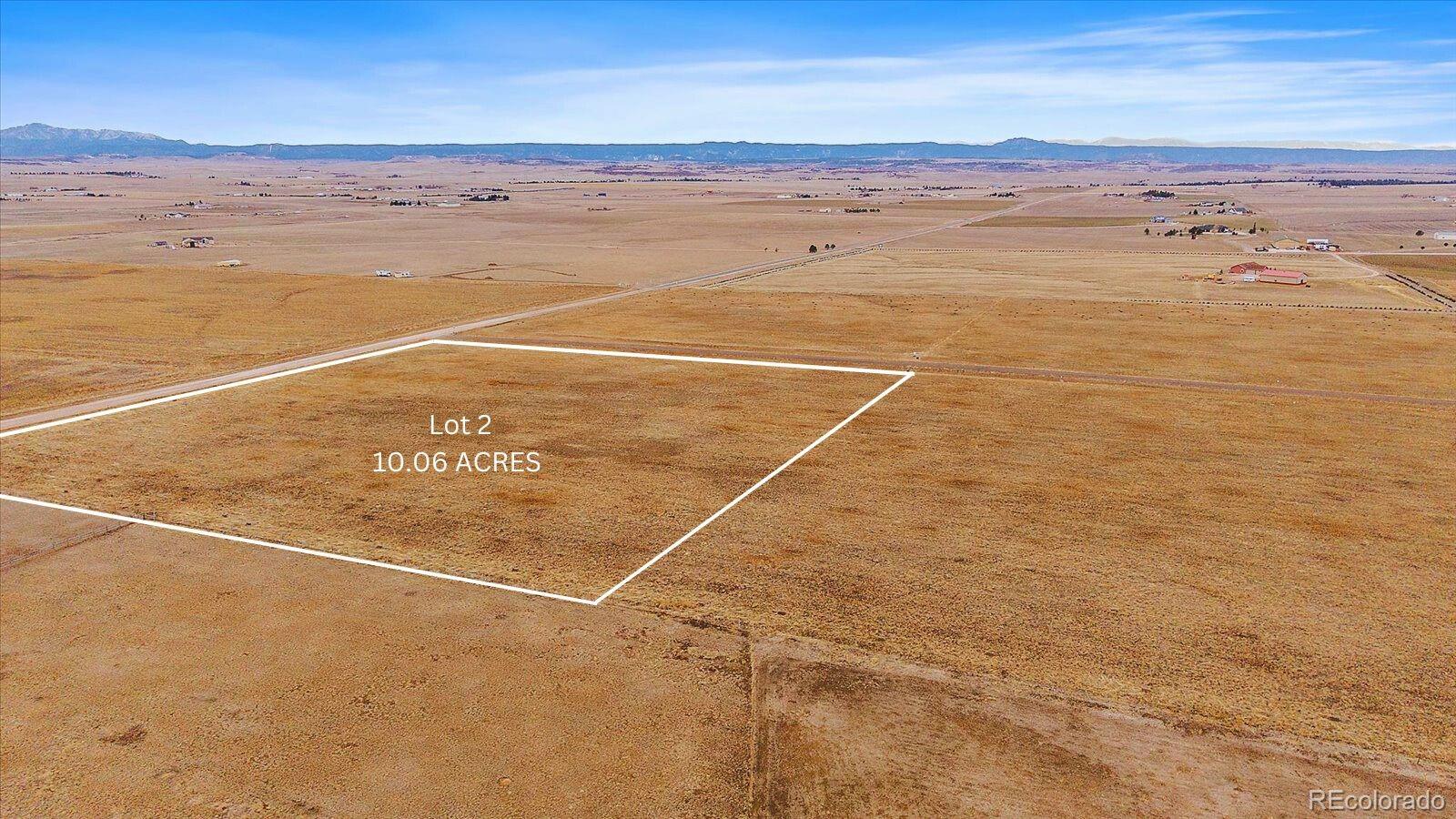
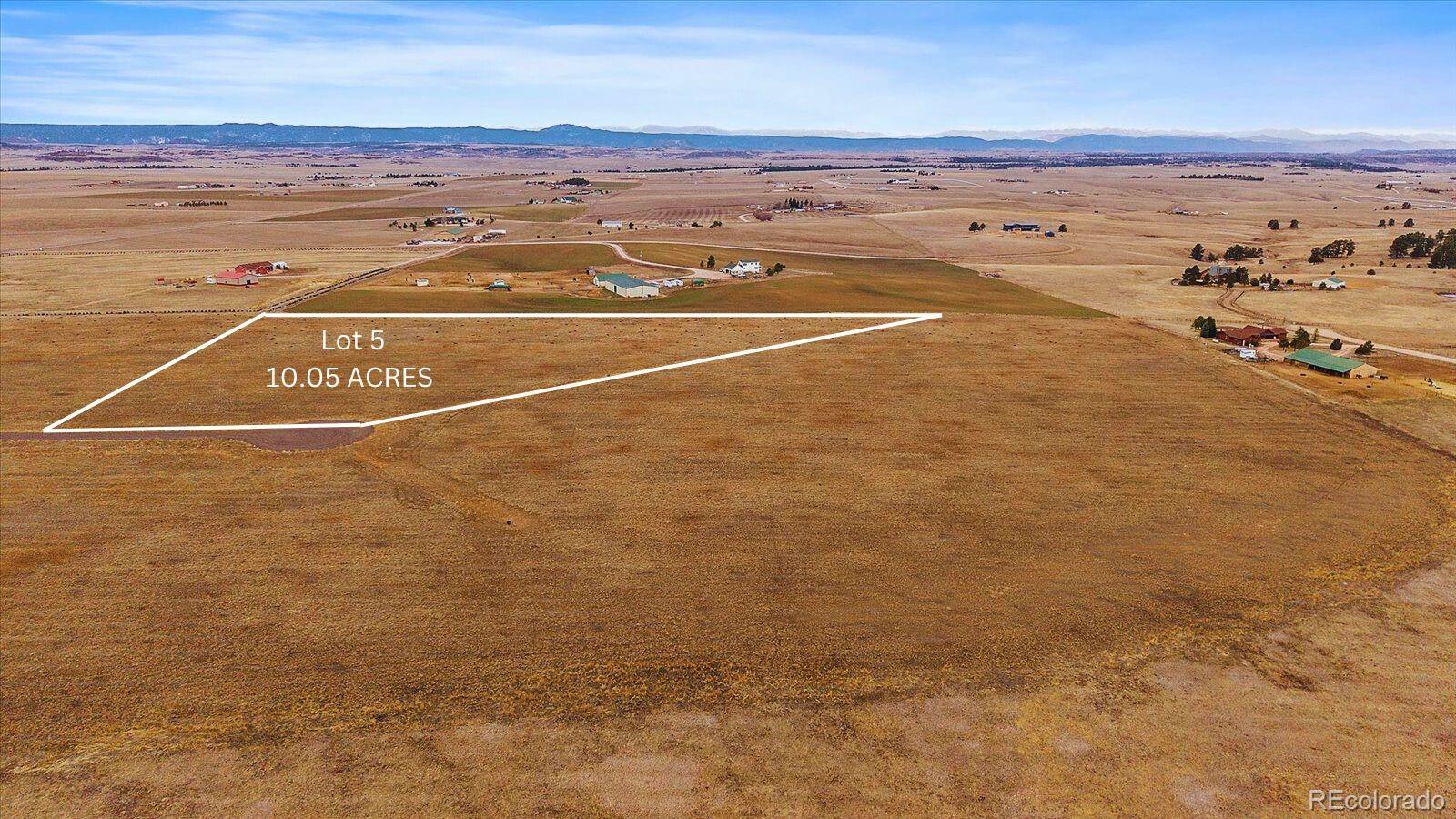
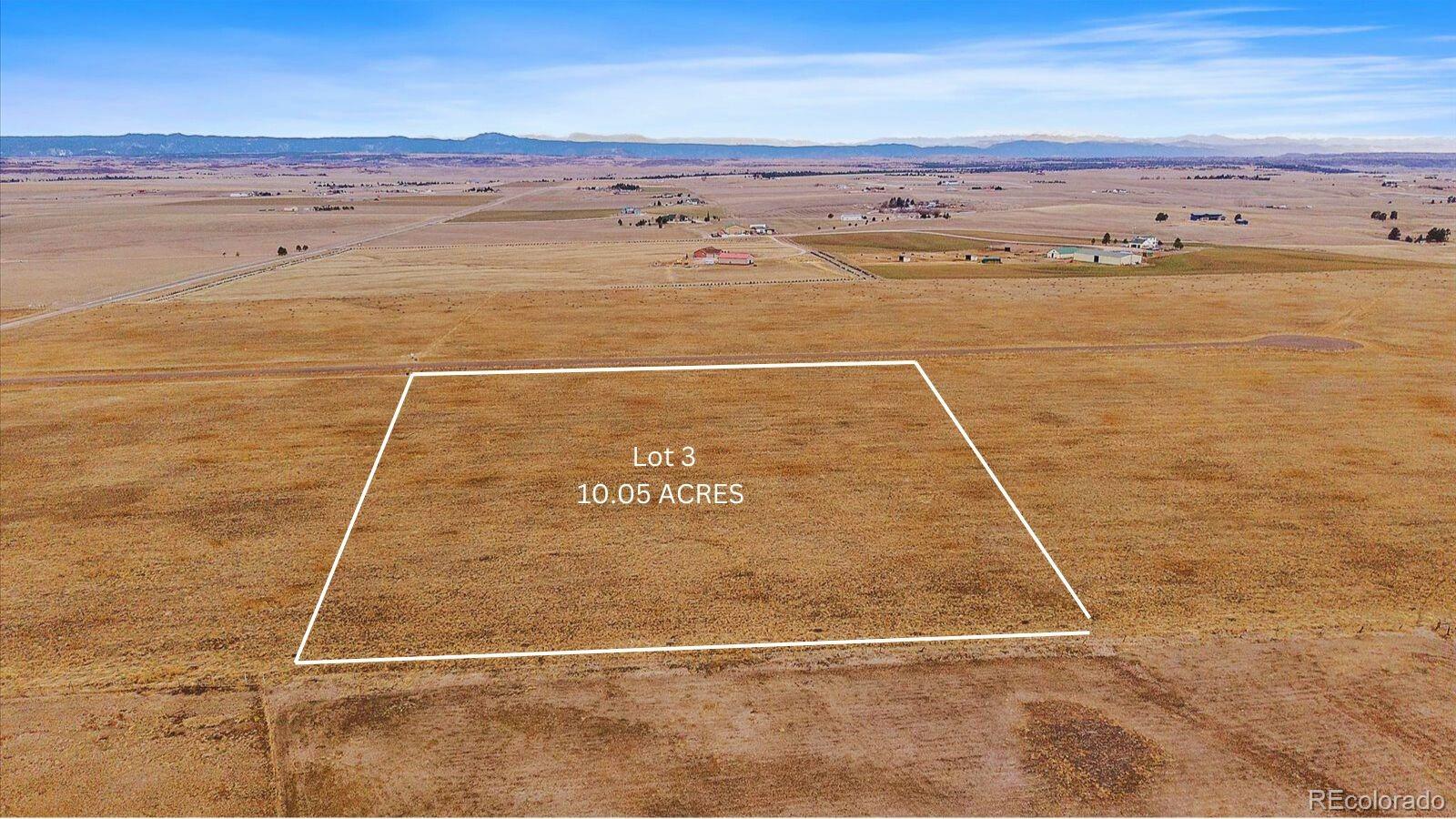
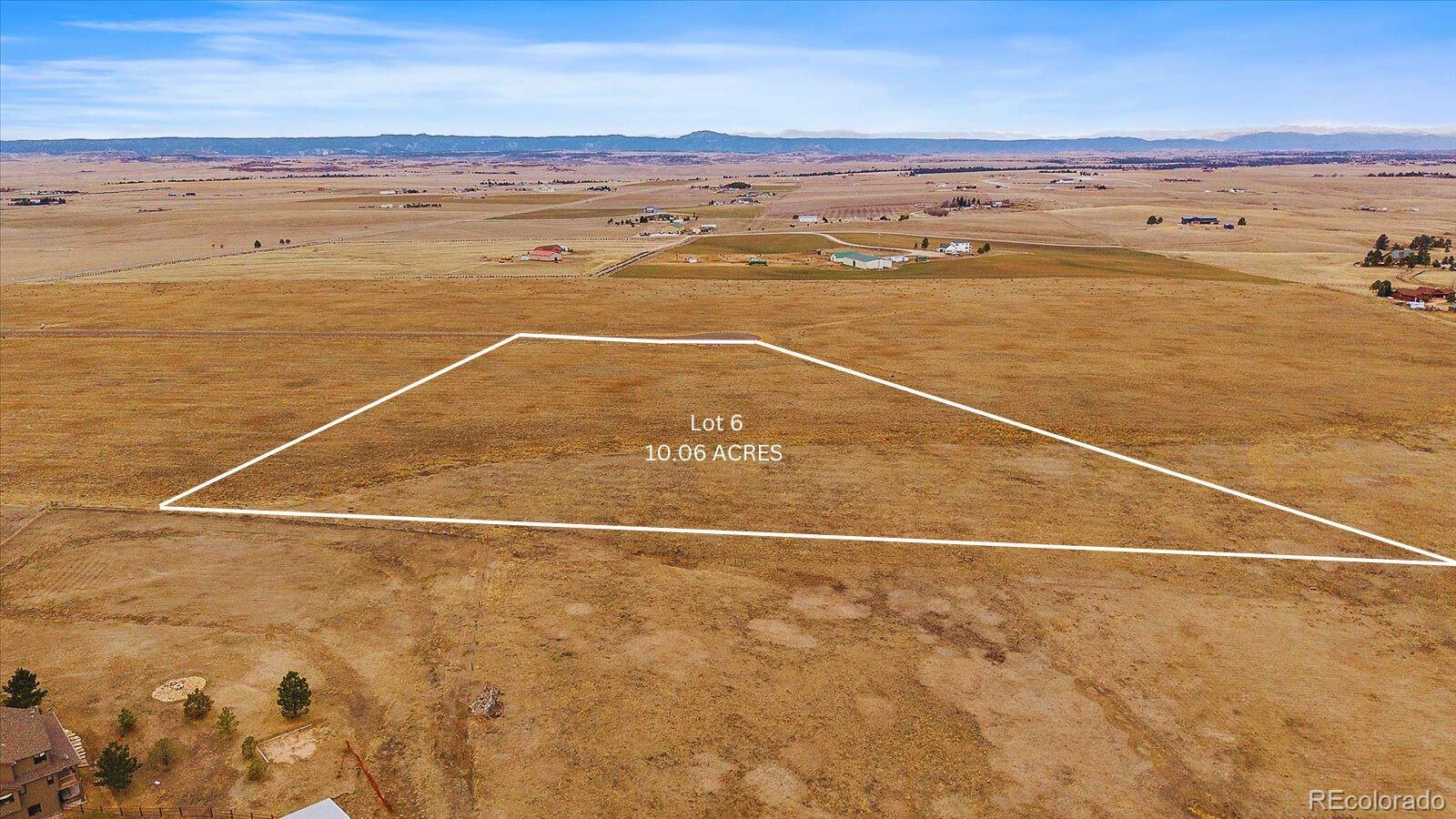
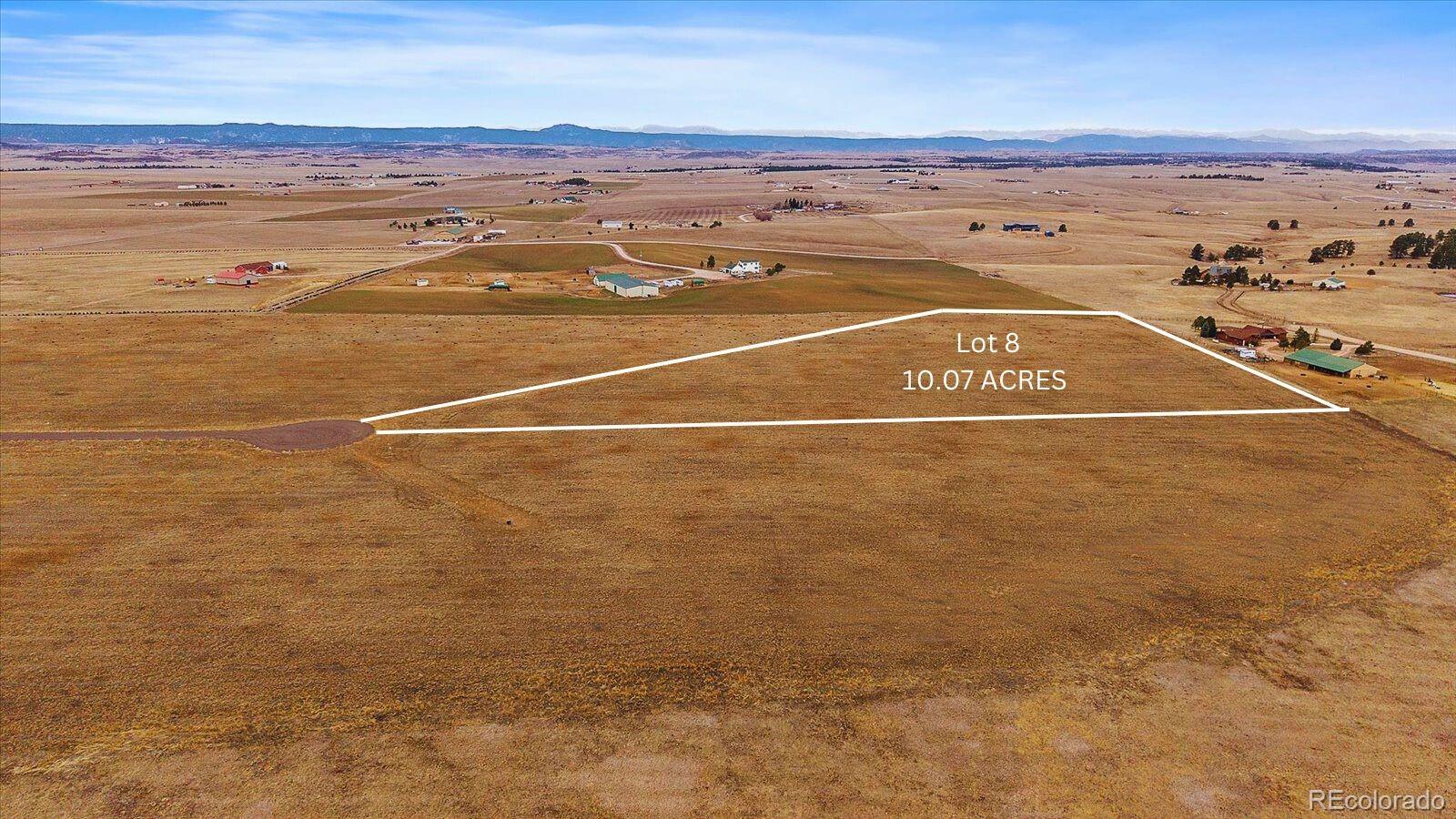
Elbert County Resolutions 23-36 and 23-37 record the Sun Bear Estates rezone and final plat for eight 10-acre lots at the Elbert-Douglas county line and County Road 122.
Begin with the listing address and legal description. Compare the MLS community label with the assessor parcel, recorded plat, title commitment, and the official record named here. Similar names, nearby filings, and marketing labels are not permission to treat two properties as governed by the same documents.
Use the Neighborhood Record Source
Open the official public-record source, identify the document that applies to the parcel, and obtain the recorded or currently adopted version. Save the document number and date so later amendments, releases, or superseding actions can be found.
The recorded approval describes the original land-use action. It does not prove that a current listing has unchanged boundaries, completed improvements, transferable permits, or the same facts shown in older marketing.
Check Water, Wastewater, and Permits by Address
An Elizabeth mailing address does not establish Town jurisdiction. Confirm whether the property is inside Town limits or in unincorporated Elbert County before ordering permit records. Town properties may use municipal water and sewer; county properties may require separate well and onsite wastewater files. Ask for current permits, final approvals, service accounts, and any unresolved correction notices.
For a well, use Colorado’s well-permit search and match the permit to the parcel. For an onsite wastewater system, request the county permit, design, inspection, and maintenance history. Do not infer utility type from lot size, subdivision name, or a neighboring home.
Separate Public Roads From Private Obligations
Check the recorded plat, county or Town road records, access easements, and title exceptions. A public maintenance record can cover one named segment without covering a driveway or private lane. Ask who handles snow, drainage, culverts, gates, and shared access, and verify those obligations in documents before relying on listing remarks.
Drive the roads at the time you expect to use them. Note grades, curves, shoulders, winter exposure, and the final approach to the property. That tour evidence should guide questions; it does not replace the official maintenance and access records.
Compare the Records Before You Compare Prices
- Record
- Parcel and plat
- What to match
- Legal description, lot, filing, easements
- Why it matters
- Confirms the property and recorded access
- Record
- Governing record
- What to match
- Current plan, district, resolution, or amendment
- Why it matters
- Shows which neighborhood rules or charges apply
- Record
- Utilities and permits
- What to match
- Provider, well, septic, final approvals
- Why it matters
- Changes maintenance, cost, and repair questions
- Record
- Title and association
- What to match
- Exceptions, covenants, dues, transfer items
- Why it matters
- Identifies ongoing obligations and restrictions
Match a listing to the recorded plat and parcel, then verify current zoning, well and septic files, driveway and road access, drainage, title exceptions, insurance, and any later land-use action.
Plan a Focused Property Tour
Before the tour, review the listing history, disclosures, parcel map, visible permit record, and the document list you still need. At the property, check drainage paths, grading, roof and exterior exposure, utilities, driveway condition, fences, outbuildings, and any feature that could require approval or specialized inspection.
After the tour, separate physical findings from missing records. A clean-looking home can still have unresolved document questions, while an older condition item may be manageable once its scope and cost are understood. Use both types of evidence when setting inspection deadlines and deciding whether the home still belongs on your shortlist.
Questions Buyers Ask About Sun Bear Estates
Does the community label prove which records govern?
No. Match the address and legal description to the current recorded plat, title commitment, and applicable official record.
Does an Elizabeth address mean Town utilities and permits apply?
No. Verify municipal boundaries first. Many Elizabeth mailing addresses are outside Town limits and use county permitting or property-specific water and wastewater systems.
What should I request before an offer deadline?
Request the title commitment, seller disclosures, current governing documents, utility and permit records, road or access documents, insurance quote, and any association resale package that applies.
Can nearby homes have different obligations?
Yes. Filing, district, amendment, road segment, utility setup, easements, and association coverage can differ by parcel. Verify the exact address.
Official Sources for Address Checks
Use the community-specific record linked above with these general property, wastewater, and well-permit sources. Match every search to the exact address and legal description.
Build the Address-Specific Document List
Kenna Real Estate Group can help turn the public-record sources into a property-specific checklist and coordinate the questions that belong with title, the seller, the county or Town, inspectors, insurers, and utility providers. The goal is not to collect every document in the area; it is to identify the records that control the home you may buy.