New - 1 Day Ago

$2,150,000
Active
4
Beds
3
Baths
3194
Sqft
19.56
Acres
1267 Upper Venner Rd, Estes Park, CO 80517
MLS#: IR1071215
Estes Park homes for sale, live from the MLS: every house, townhome and condo for sale in Estes Park, Colorado, updated the moment a home lists or sells. The price bands, ZIP codes and monthly payment on the median home follow the listings. Call or text 303-955-4220. A live person answers.

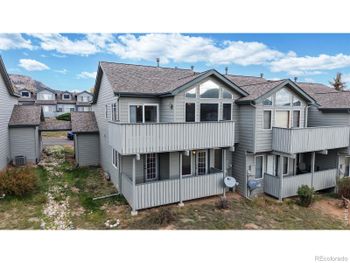


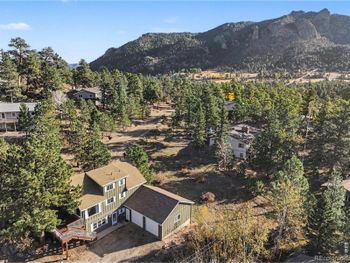


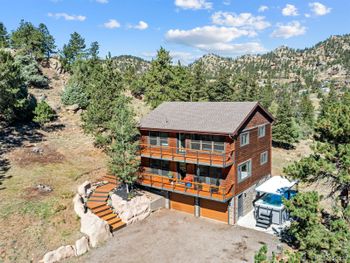


Live MLS numbers load here.
The live table above counts every Estes Park home for sale the moment you open this page, by type and by price. Prices run from condos to estates, so the median matters more than the average; the price-band chart shows where the inventory sits, the bedroom chart shows what each count costs, and the ZIP table shows which part of Estes Park carries the listings.
The live table above splits today's Estes Park listings by type. On condos and townhomes the HOA line matters most. Lots and land parcels are listed separately.
The median list price updates in the table above every time the page opens. Compare two Estes Park homes on the per-foot number and the condition before the list price.
Each Estes Park listing shows its HOA fee and what it covers. Many Estes Park homes carry none; the fees sit mostly on townhomes and newer subdivisions.
New construction homes for sale in Colorado and every builder's incentive.
The live table in the market-in-numbers section counts every Estes Park house, condo and townhome for sale the moment you open this page, with the median list price by home type. The grid at the top of this page is the live MLS list and refreshes daily.
$625K at list this week, for a median 1,654 square feet, which is $384 a square foot. The price-band chart above shows how the 202 listings spread around that number.
65 of the 202 Estes Park listings are condos or townhomes (32 percent). Filter the grid above by property type, and read the HOA line on each one. More: luxury Townhomes and Condos in Denver.
Builders list new homes on the MLS when they have them; Colorado new construction homes for sale shows every builder's inventory by city with the incentives.
About $4,670 a month on the median $625K home with 5 percent down at a 7 percent note rate: $3,950 principal and interest, $286 property tax, $182 insurance, $247 mortgage insurance. A seller-paid 2-1 buydown cuts year one by $763. More: Can I afford a home now?.
Yes. Colorado down-payment assistance works at a 620 credit score, FHA takes 3.5 percent down, VA and USDA zero where the home and the buyer qualify, and a seller credit covers closing costs. On the median Estes Park home that is $21,875 down at 3.5 percent. Can I afford a home now?
Text ESTES PARK and your price range to 303-955-4220. A live person answers, sets up the saved search and sends the disclosures on any home you want to see.