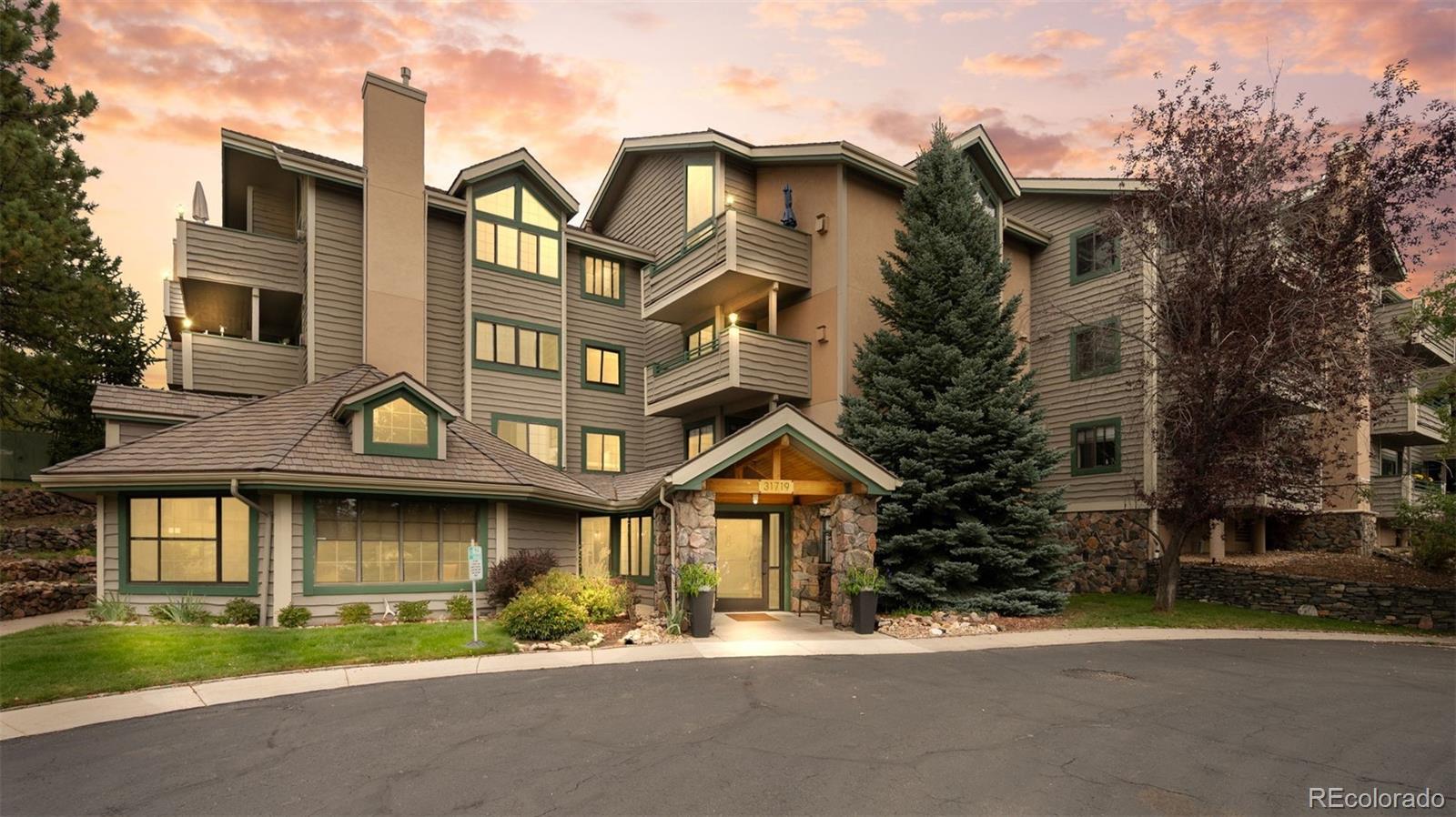
$380,000
Active
1
Beds
1
Baths
840
Sqft
--
Acres
31719 Rocky Village Dr #212, Evergreen, CO 80439
MLS#: 7994871
What do condos in Rocky Mountain Village cost? Median $535K, $408 a square foot, 4 for sale now from $380K to $542K. 2 of the 4 are under $525K. Call or text 303-955-4220. A live person answers.
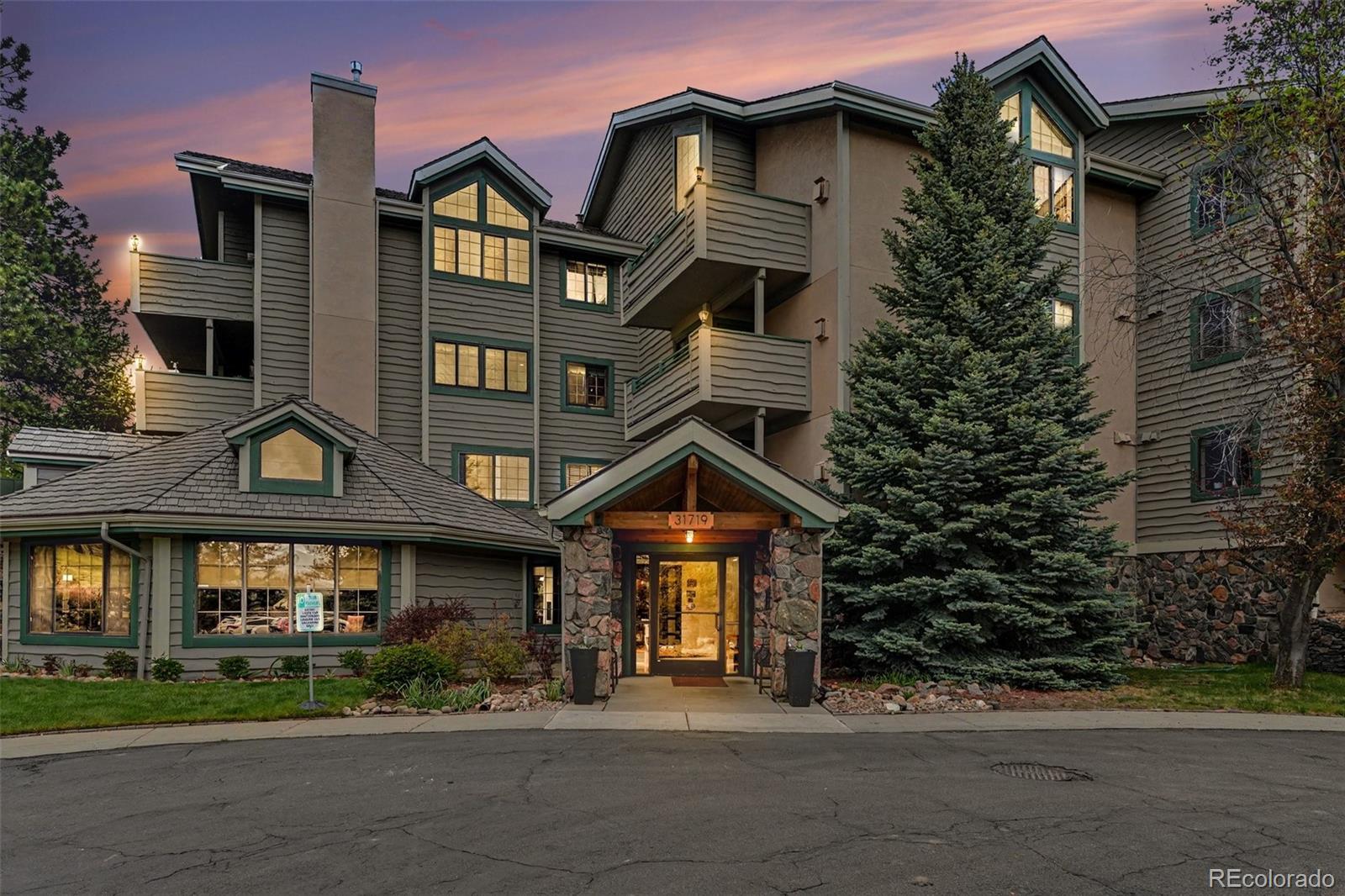
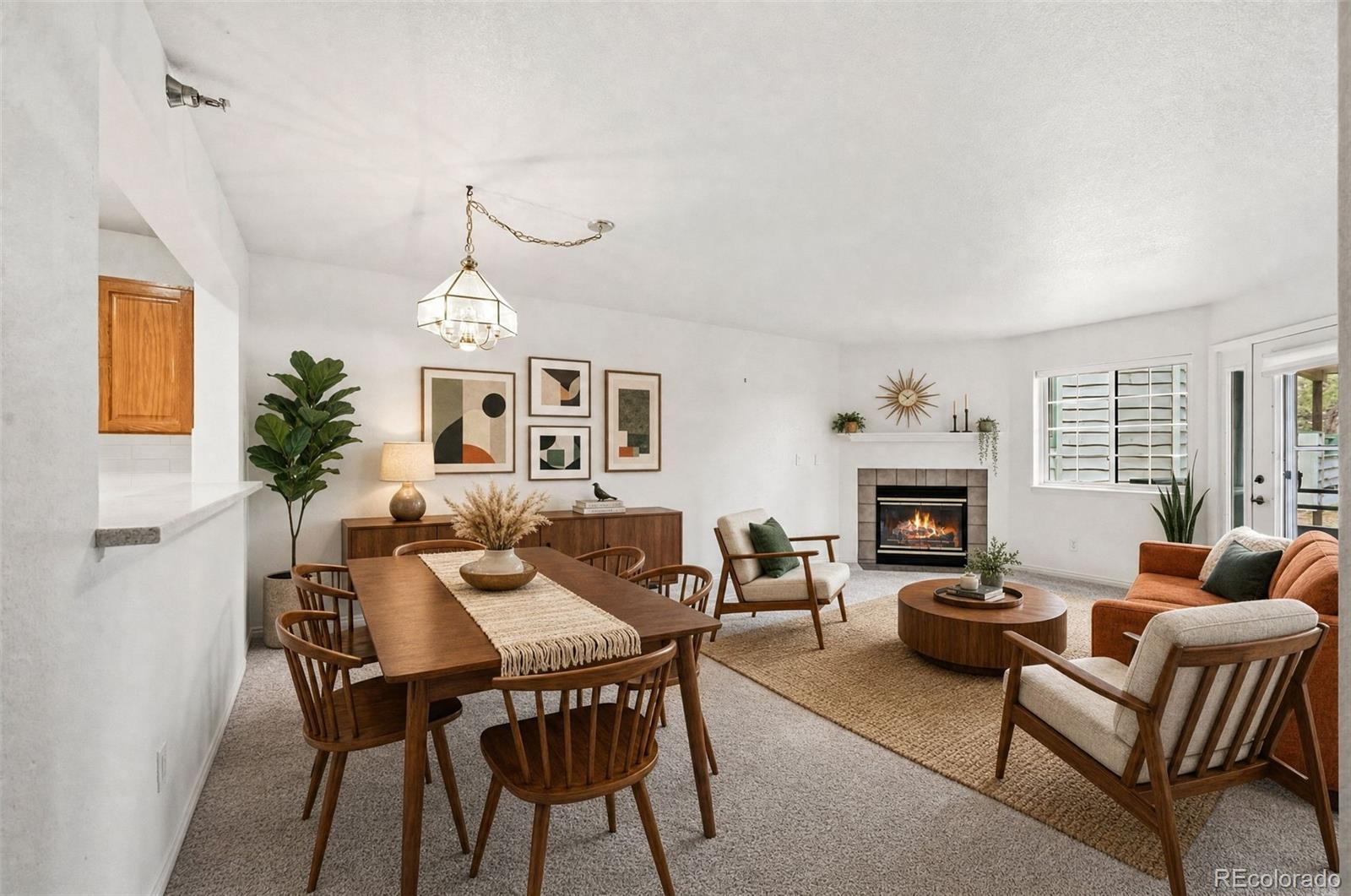
Rocky Mountain Village should be verified by association name, building address, and Jefferson County records. Start with nearby cues such as Evergreen Parkway, Evergreen Lake, and downtown Evergreen, then confirm city, county, and subdivision records by address.
Compare unit level, parking, storage, deck exposure, stairs, and whether the unit has mountain-road access issues. Compare the listing remarks, floor plan, tax record, and HOA or condo documents before assuming the property type.
Read condo documents for dues, reserves, exterior maintenance, insurance, snow removal, pet rules, and rental rules. If there is a metro district, condo association, road association, or special district, verify taxes and duties before offering.
Map routes to Evergreen Parkway, Evergreen Lake, downtown Evergreen, and I-70 in normal and winter conditions. A short map distance can feel different when a route uses collector roads, steep streets, or busy arterials.
Mountain condo buyers should review roof responsibility, drainage, retaining walls, wildfire mitigation, and snow exposure. Use inspection reports, seller disclosures, county records, and HOA documents to confirm what applies to that property.
Use the exact address to verify school boundaries for Rocky Mountain Village. Use the exact address to confirm Jefferson County school assignment and any mountain-area transportation details.
Condos can depend on association insurance, budget health, reserves, owner-occupancy rules, and lender review. Ask the lender to review the Rocky Mountain Village association early, not after inspection deadlines.
Before touring Rocky Mountain Village, compare unit level, parking, storage, dues, special assessments, and what the HOA maintains. Then decide which unit layout and building position are worth a closer look.
5 homes are listed in Rocky Mountain Village Condos for Sale right now, from $380,000 to $542,000 with a median of $495,000. Listed homes run 1 to 3 bedrooms and 840 to 1,504 square feet. All of them carry an HOA fee of $548 to $957 a month, covering cable tv, reserves, gas, heat. The average listing has been on the market 83 days. 2 of them are already under contract. ZIP code 80439.
For sale now
5
Rocky Mountain Village Condos for Sale, Evergreen
Median price
$495,000
$380,000 to $542,000
Size
840 to 1,504
square feet
HOA
$548 to $957/mo
5 of 5 listings
Community amenities named in the listings: bike storage, elevator(s), fitness center, on site management, parking, storage.
5 homes are listed in Rocky Mountain Village Condos for Sale right now, updated daily on this page. Evergreen has 318 homes for sale across all its communities.
Listed homes in Rocky Mountain Village Condos for Sale run from $380,000 to $542,000, with a median asking price of $495,000.
5 of the 5 listed homes report an HOA fee of $548 to $957 a month, covering cable tv, reserves, gas, heat. Ask for the HOA documents before you write an offer.
Call or text 303-955-4220. A live person answers. Not a robot, not a phone tree. Showings the same day when the seller allows it, and the HOA documents pulled before you go.
Call or text 303-955-4220 All Evergreen homesThe six closest subdivisions with a home listed right now, nearest first. Each link opens that community's live listings with prices, sizes and HOA.