New - 9 Hours Ago

How much is a house in Fort Morgan, Colorado? Median $360K this week across 94 Fort Morgan homes for sale, $159K to $899K, $204 a square foot for Fort Morgan real estate. 92 of them have no HOA. Call or text 303-955-4220. A live person answers.


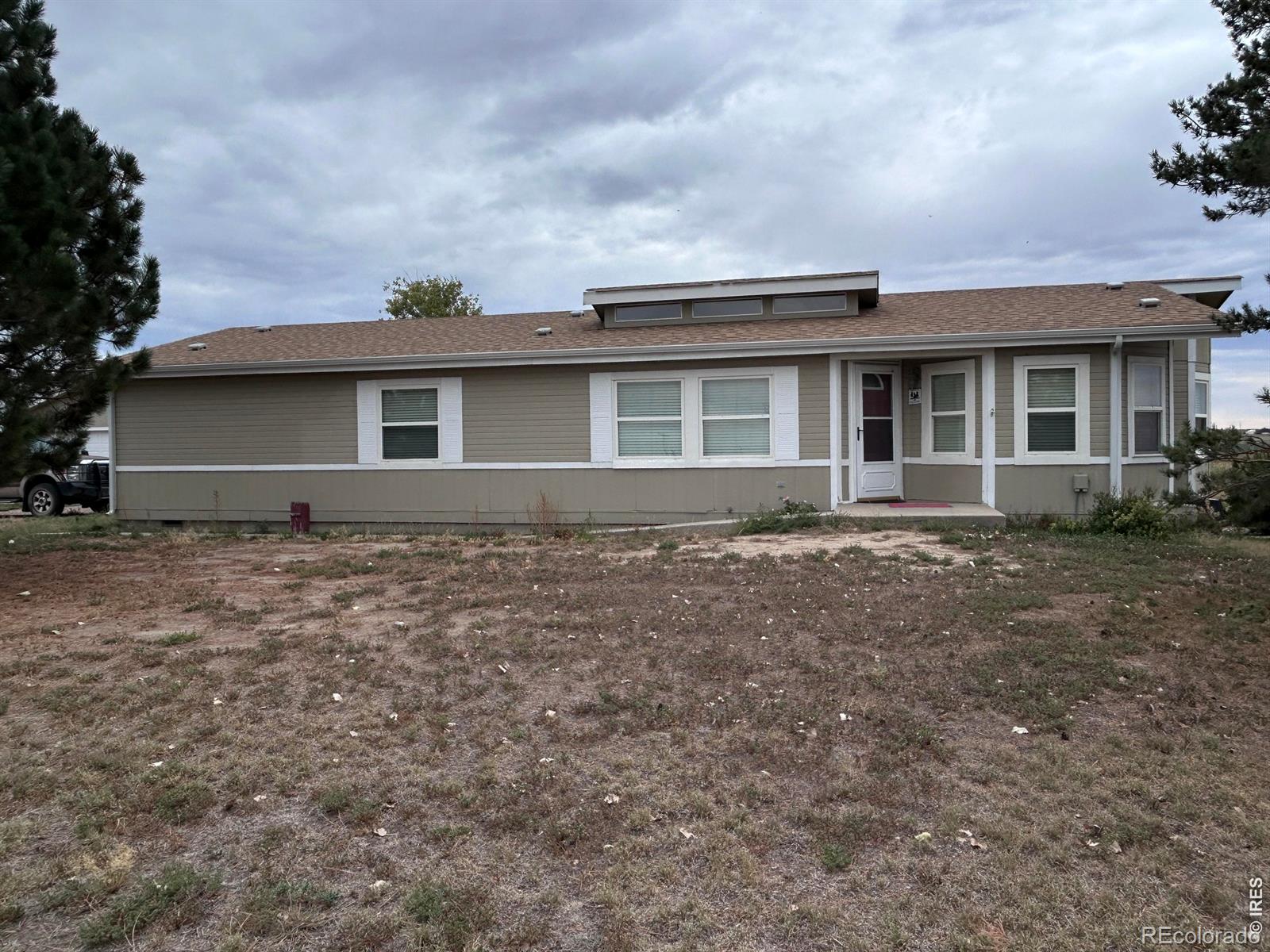
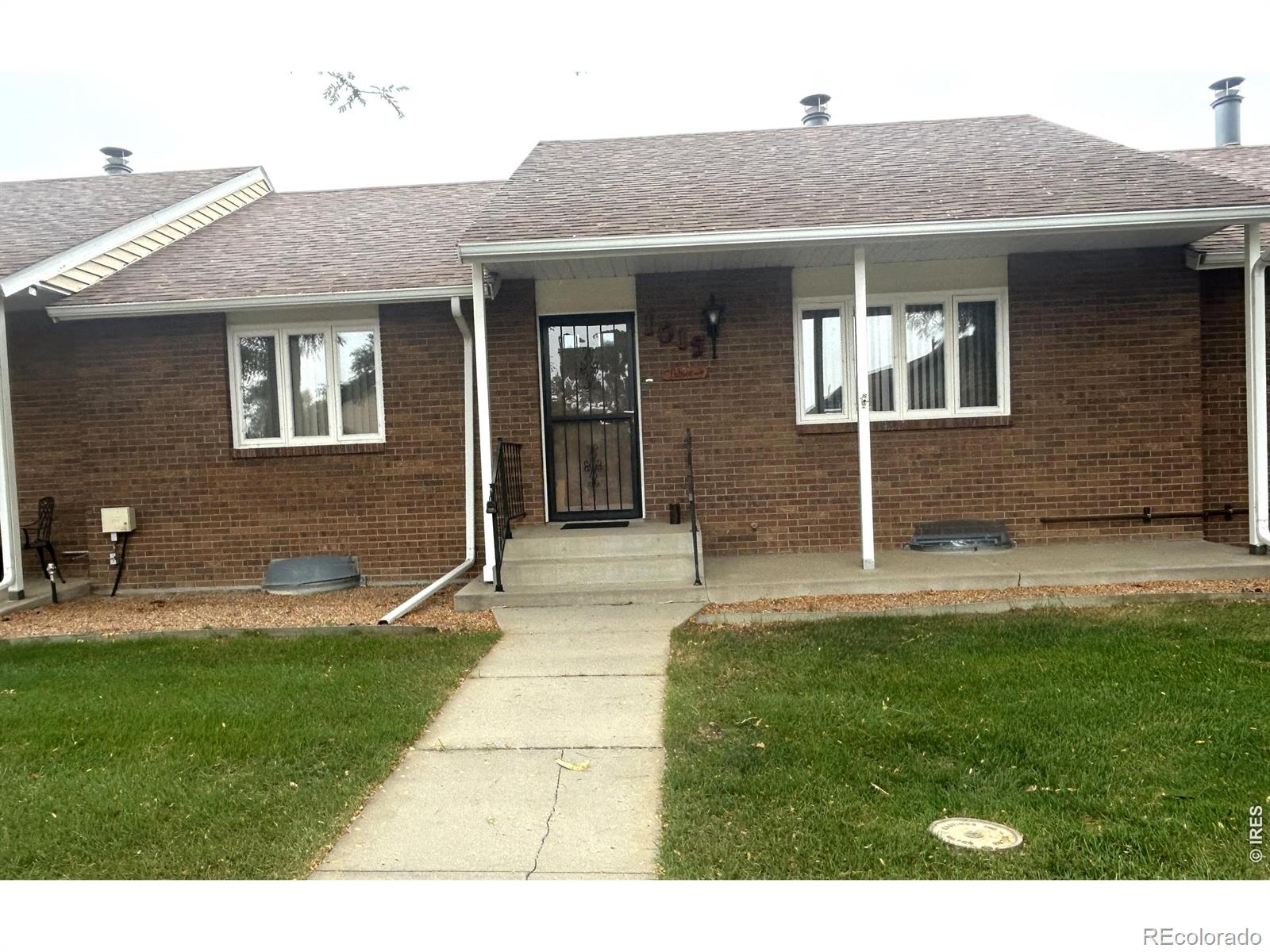


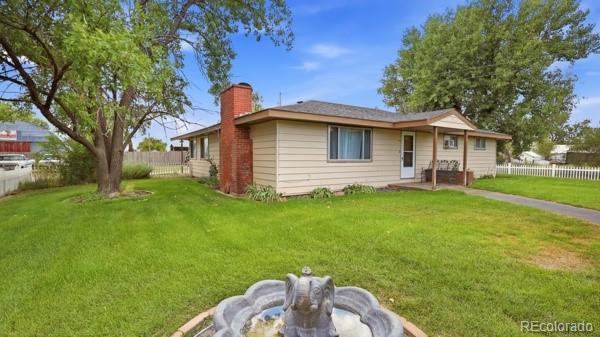
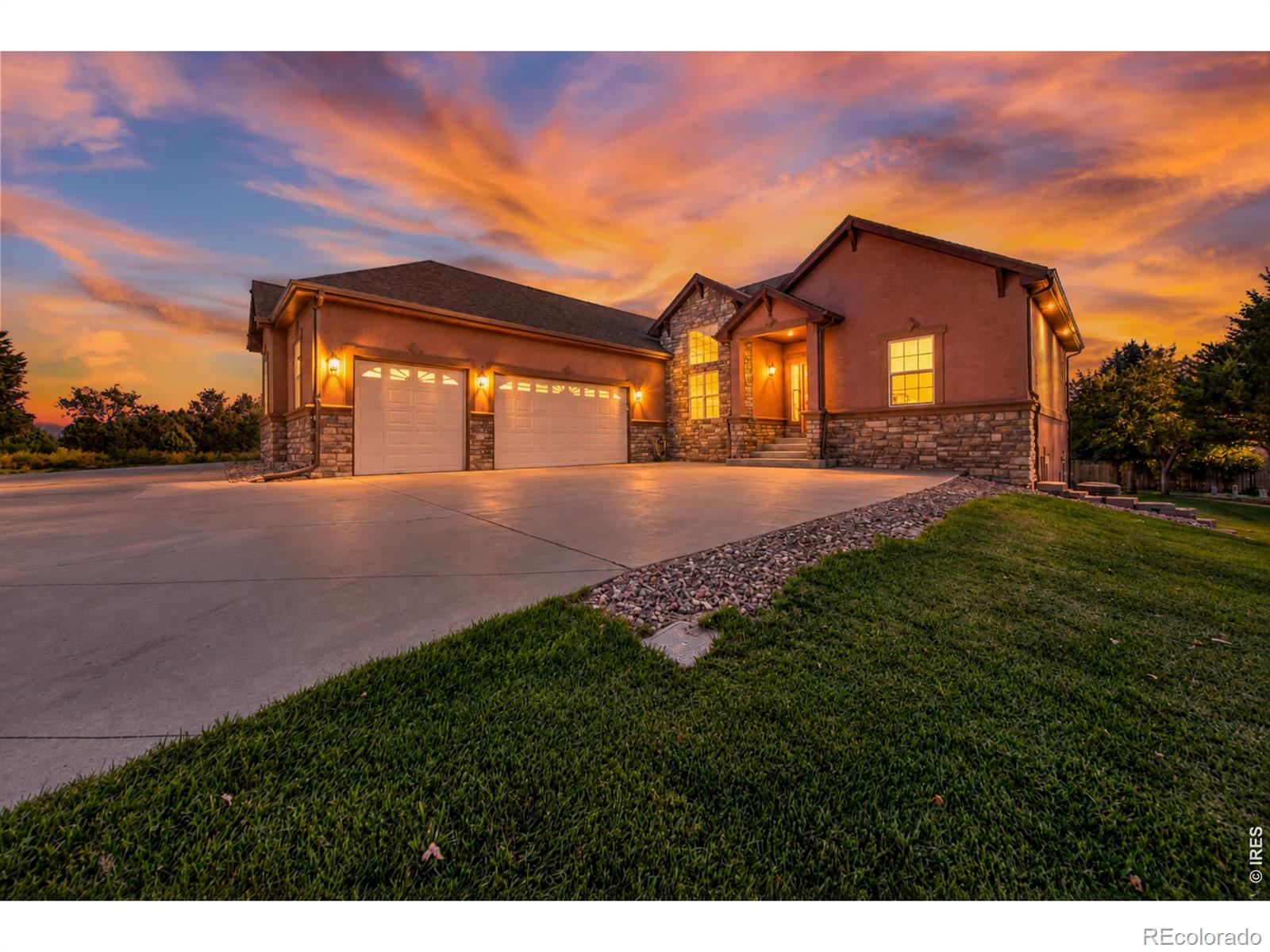
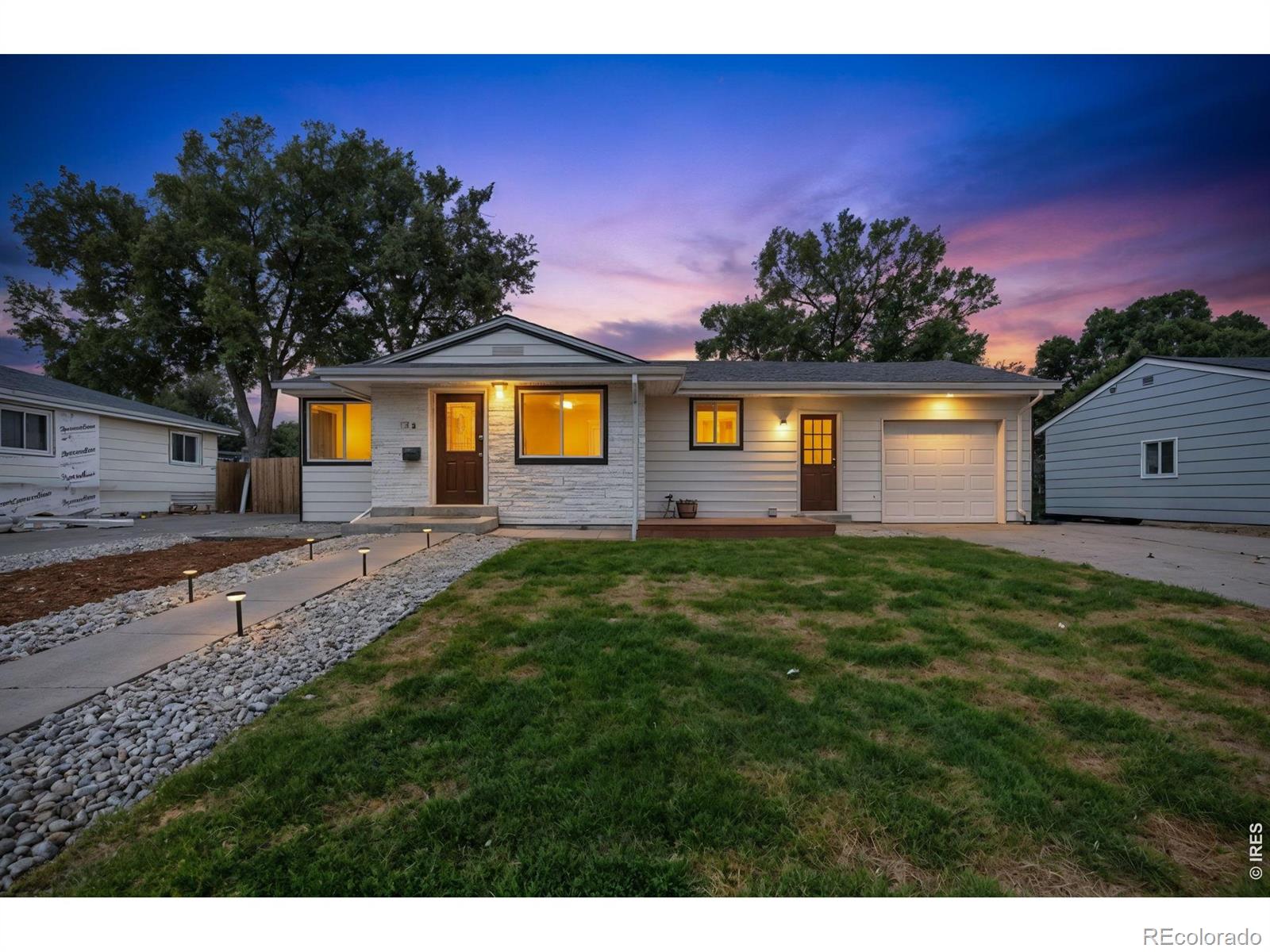


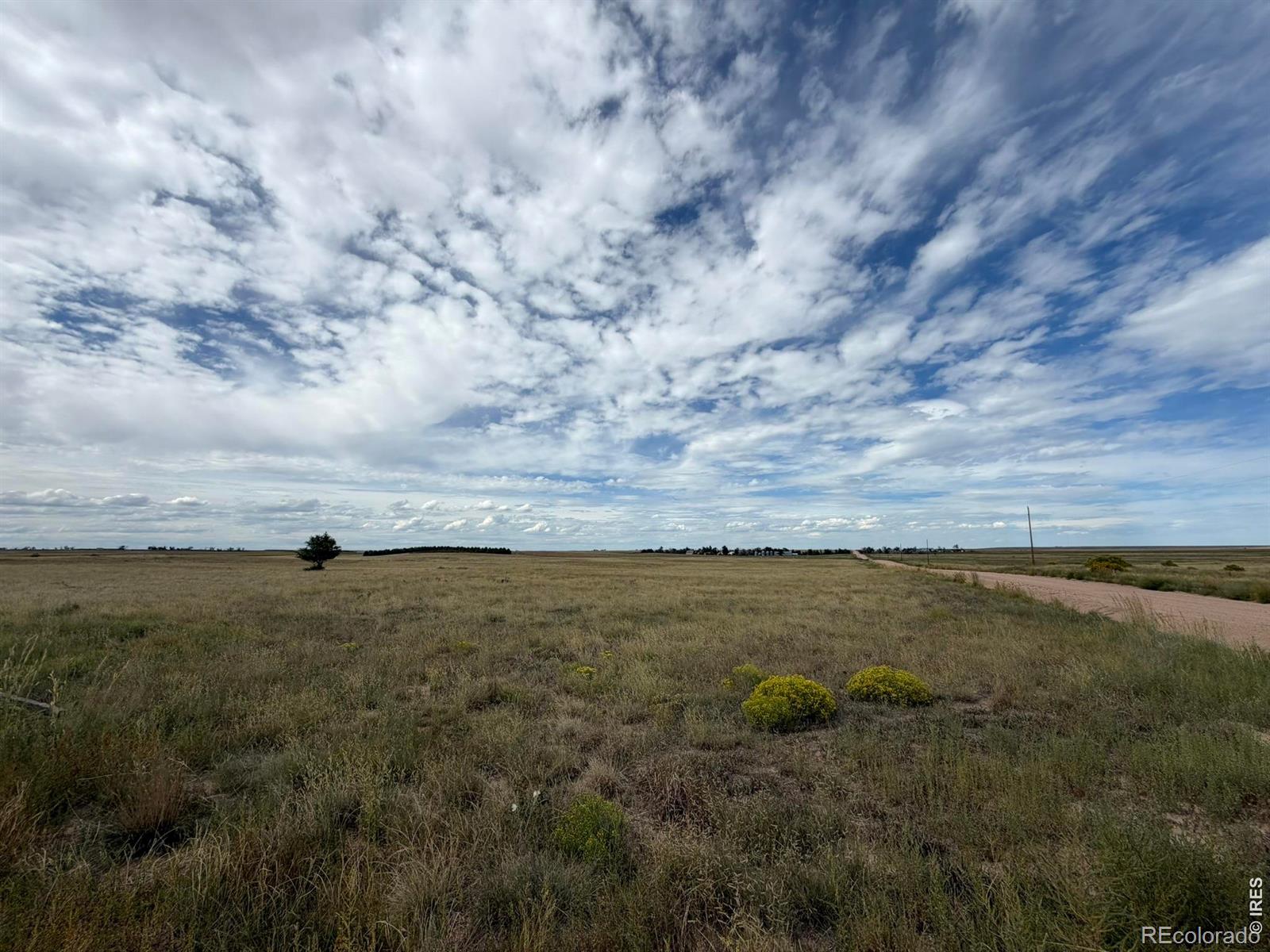
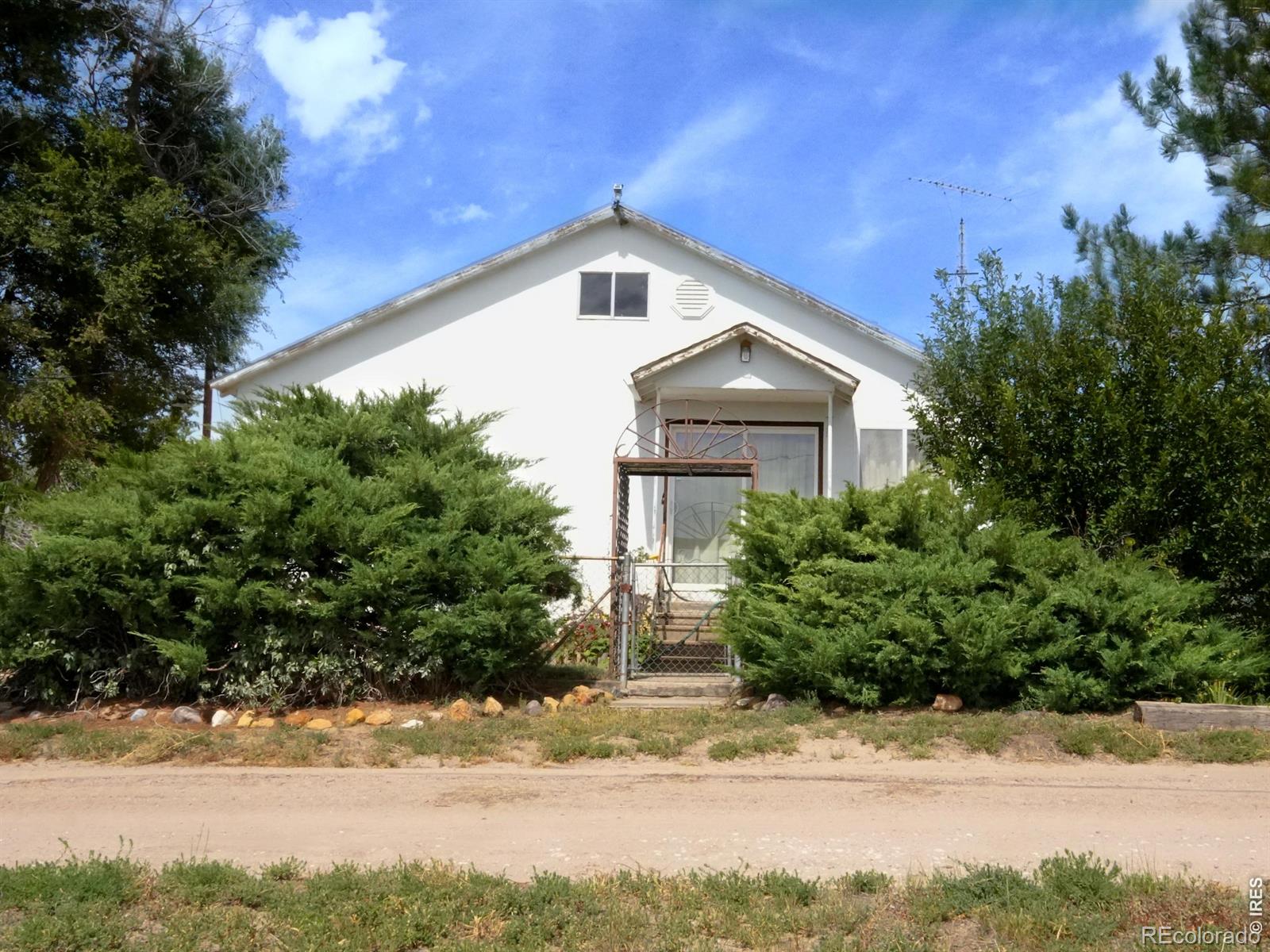
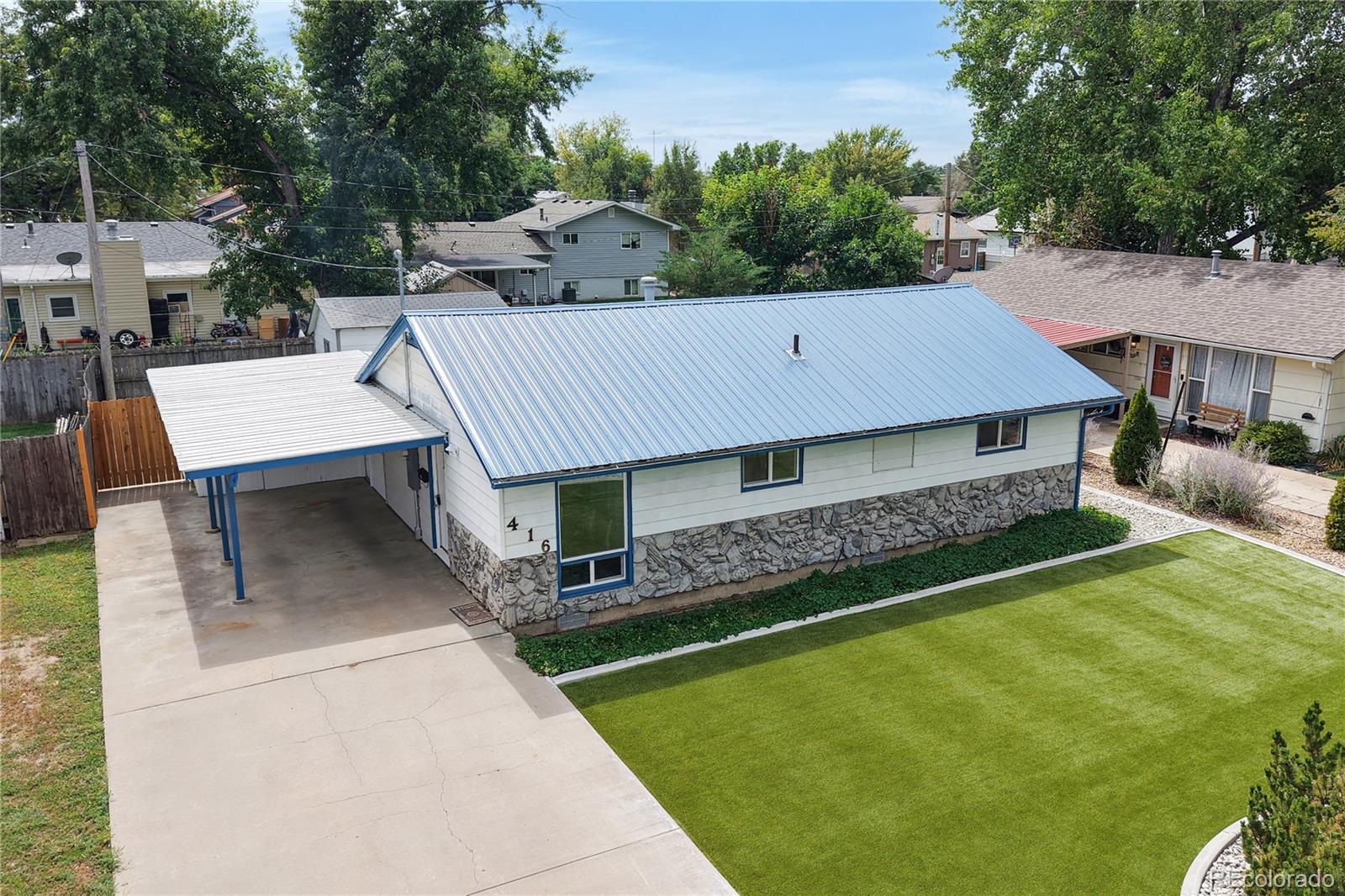

What $360K buys in Fort Morgan this week: the median home at 1,903 square feet, $204 a foot, in a market of single-family houses. 94 Fort Morgan homes for sale in all, $159K to $899K; the charts, the ZIP codes, the monthly cost and the questions buyers ask are below.
Fort Morgan is a single-family market; condos and townhomes are 3 of the 94 listings. 29 lots and land parcels are listed separately.
$204 per square foot at the median. Compare two Fort Morgan homes on the per-foot number and the condition before the list price.
The 2 that do carry one run a median $350 a month, mostly townhomes and newer subdivisions.
New construction homes for sale in Colorado and every builder's incentive.
94 houses this week, $159K to $899K, median about $360K, plus 29 lots and land listings. The grid at the top of this page is the live MLS list and refreshes daily.
$360K at list this week, for a median 1,903 square feet, which is $204 a square foot. The price-band chart above shows how the 94 listings spread around that number.
Few: 3 of 94 listings this week. Fort Morgan is a single-family market; the nearby cities in the table above carry more attached homes. More: luxury Townhomes and Condos in Denver.
Most do not: 92 of 94 listings have no HOA. The 2 that do run a median $350 a month, mainly townhomes and newer subdivisions. More: HOA fees in Colorado, explained.
80701 with 94 this week. Each ZIP is its own market inside Fort Morgan; compare price per square foot within the ZIP, not across the city.
Yes. Colorado down-payment assistance works at a 620 credit score, FHA takes 3.5 percent down, VA and USDA zero where the home and the buyer qualify, and a seller credit covers closing costs. On the median Fort Morgan home that is $12,600 down at 3.5 percent. Can I afford a home now?
Text FORT MORGAN and your price range to 303-955-4220. A live person answers, sets up the saved search and sends the disclosures on any home you want to see.