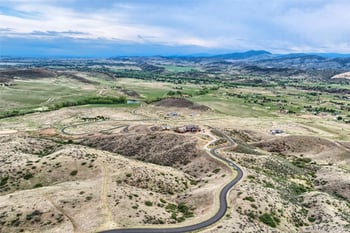

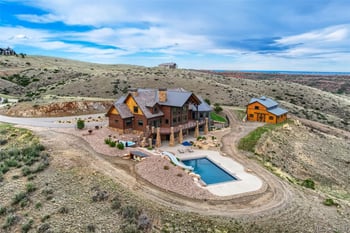
$3,800,000
Active
4
Beds
5
Baths
7277
Sqft
35
Acres
6000 Soaring Eagle Ps, Loveland, CO 80538
MLS#: REC7782892
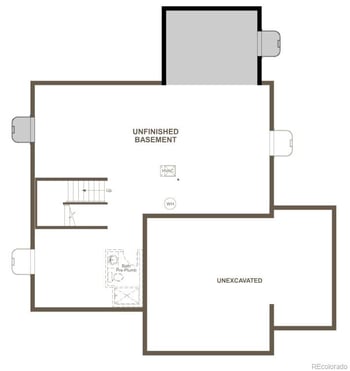
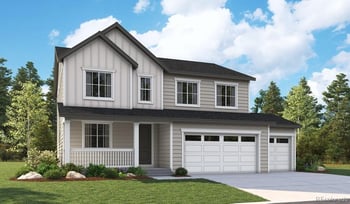
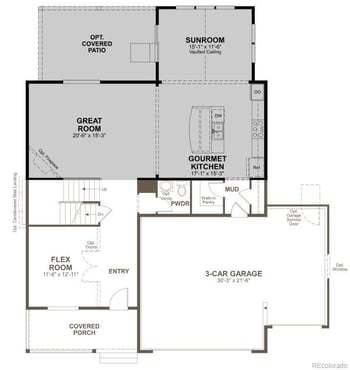
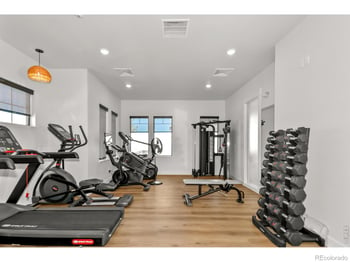
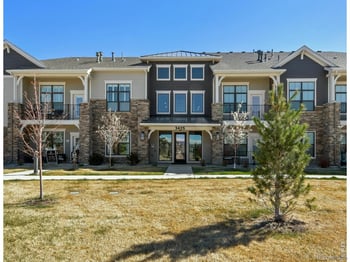


Start with the exact address, recorded subdivision, and HOA or district records. Sedona Hills appears as a lower-signal subdivision label, so verify the exact recorded name and address.
Sedona Hills is tied to Loveland, where the Sedona Hills label should be checked against subdivision filings and west or north Loveland addresses. Compare access to US 34, Wilson Avenue, Taft Avenue, and US 287, depending on address and nearby anchors like Lake Loveland, Benson Sculpture Garden, Boyd Lake, and downtown Loveland.
Expect detached homes with lot orientation, basement finish, and foothill or lake-access tradeoffs by address. Confirm the property type in the listing because some labels can include attached homes, patio homes, or detached homes.
HOA means homeowners association. Review recorded covenants, HOA dues if any, and irrigation or landscape rules. Rules, dues, district taxes, or design standards can change the real cost of ownership.
Review soils, drainage, basement condition, radon, roof age, and whether utilities are city or district served. These checks are especially important where lots, slope, age, irrigation, or district rules change by address.
Verify city or county service area, tax district, school attendance boundary, utilities, and the legal subdivision. Nearby homes can have different records even when the marketing name is the same.
Use US 34, Wilson Avenue, Taft Avenue, and US 287, depending on address to compare commute routes, traffic exposure, and daily access. Proximity to Lake Loveland, Benson Sculpture Garden, Boyd Lake, and downtown Loveland should be verified by map and address, not just neighborhood name.
Compare layout, lot usability, maintenance history, HOA clarity, and address-specific records. A cleaner fit usually has fewer unanswered questions about home type, district costs, or property condition.