New - 5 Days Ago

$439,000
Active
2
Beds
1
Baths
606
Sqft
--
Acres
507 Hi Country Dr #5-6, Winter Park, CO 80482
MLS#: 2635141
61 Winter Park homes for sale this week, $355K to $4.25M: the median home for sale in Winter Park is $1.4M, most often 3-bedroom, 33 under $1.5M. 31 are condos or townhomes. Call or text 303-955-4220. A live person answers.




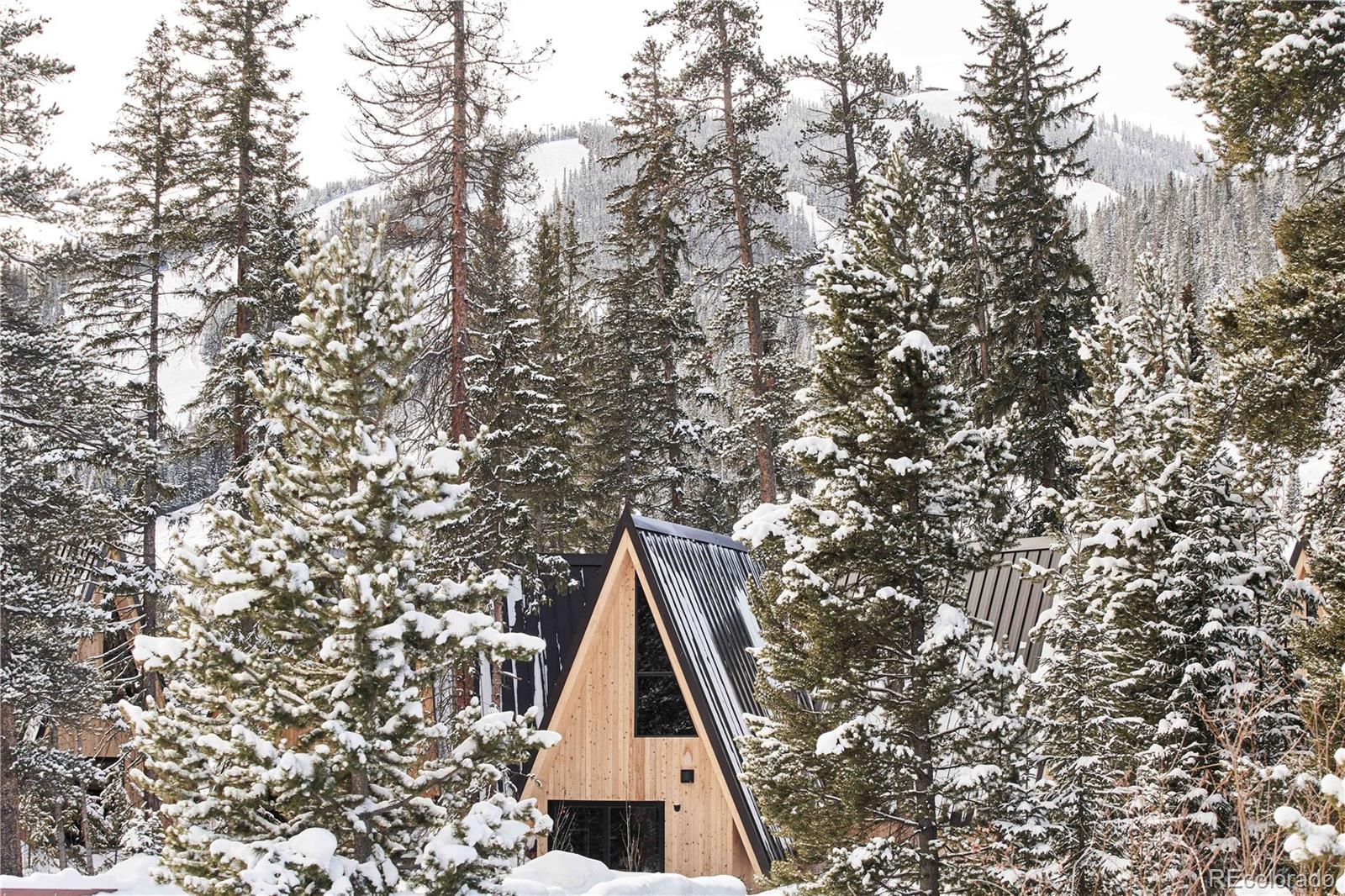


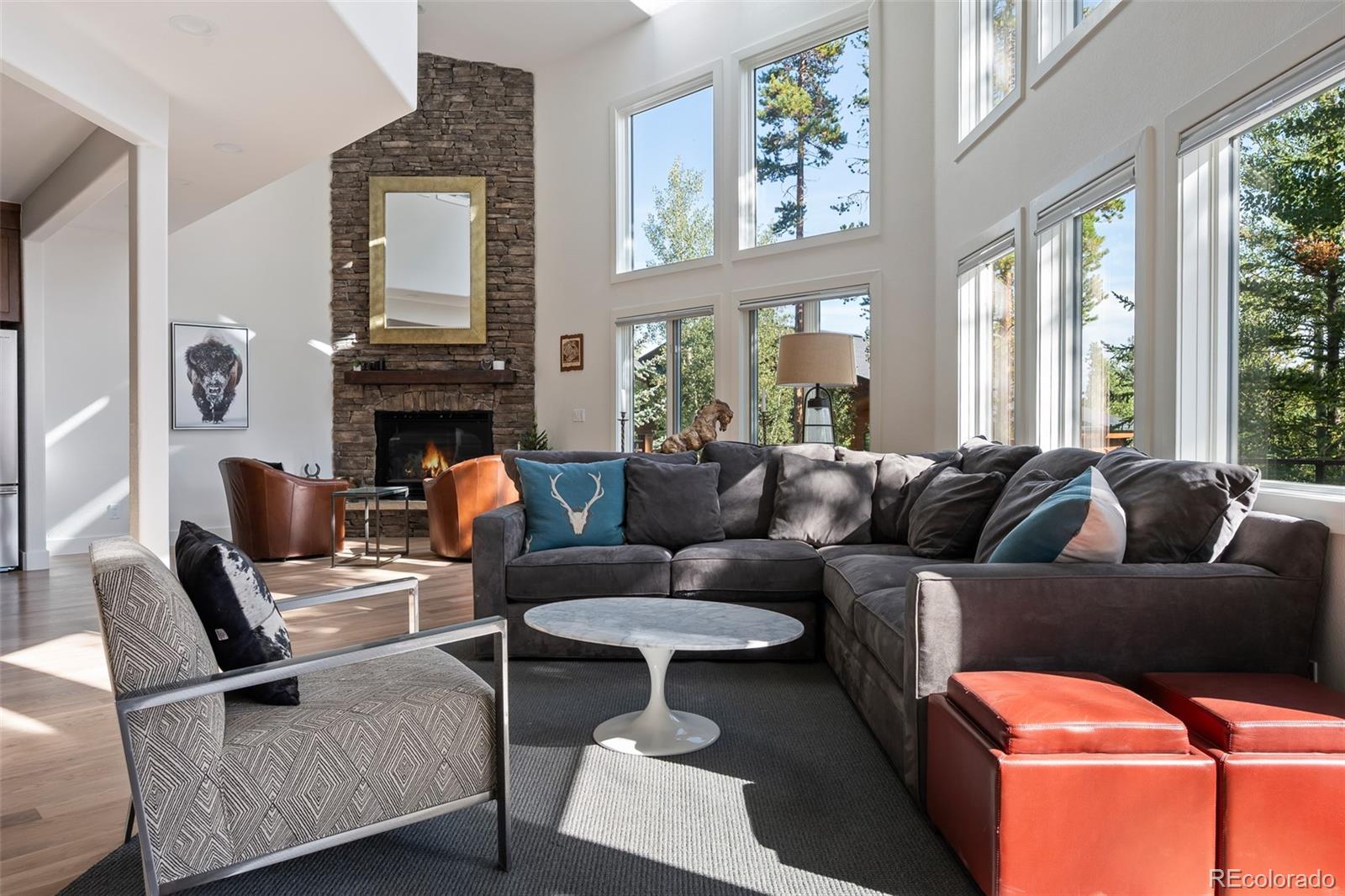
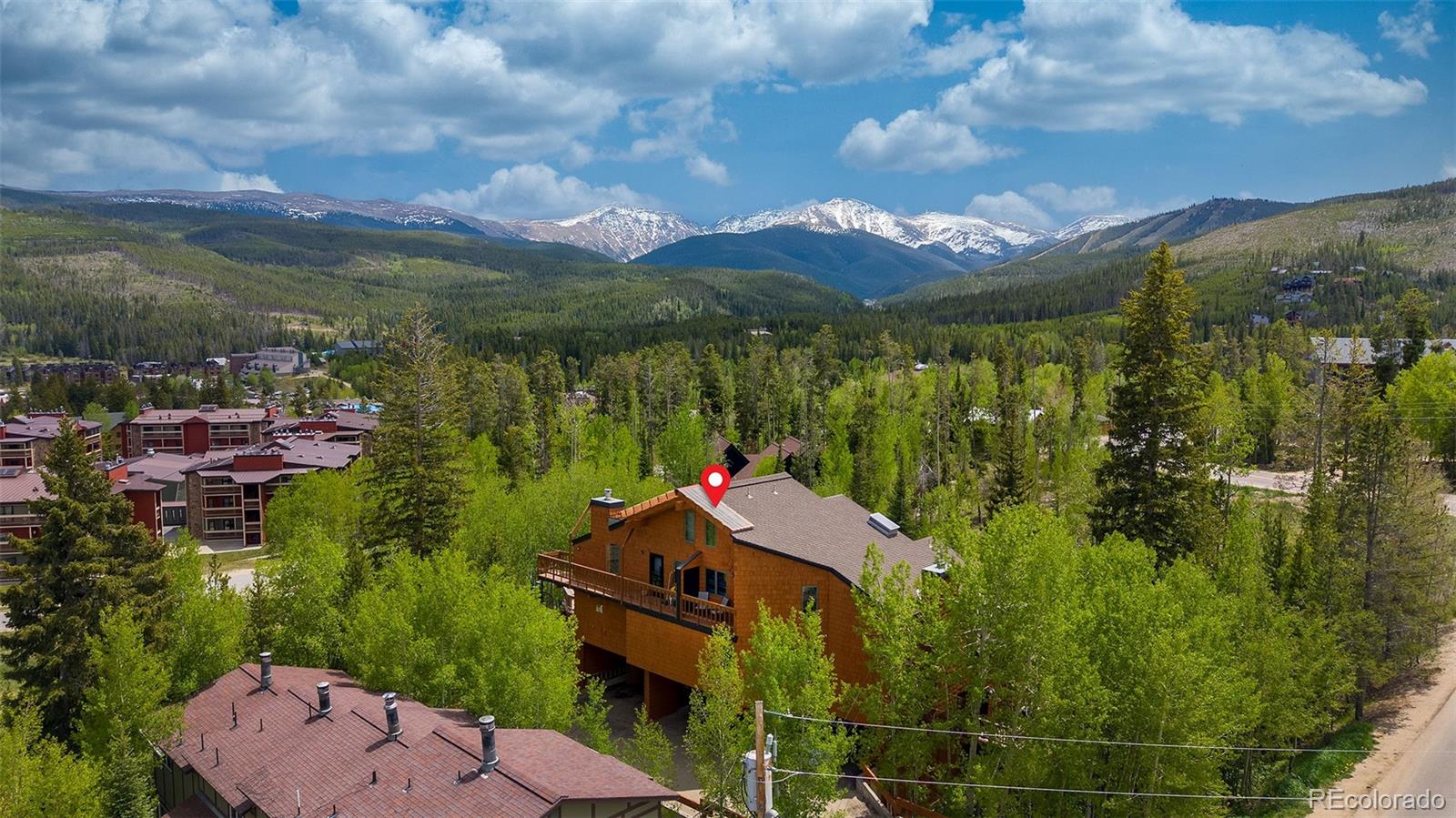

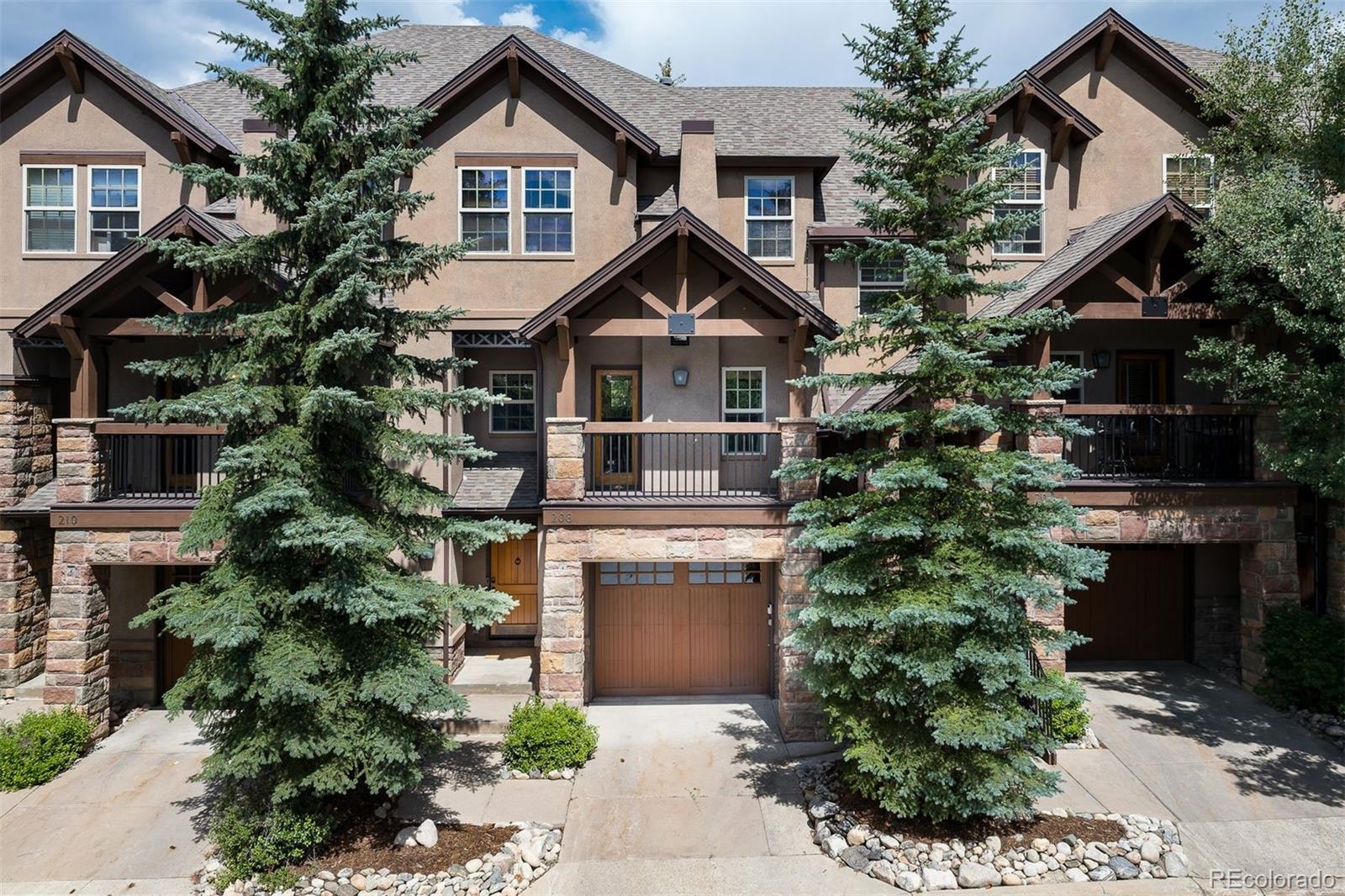
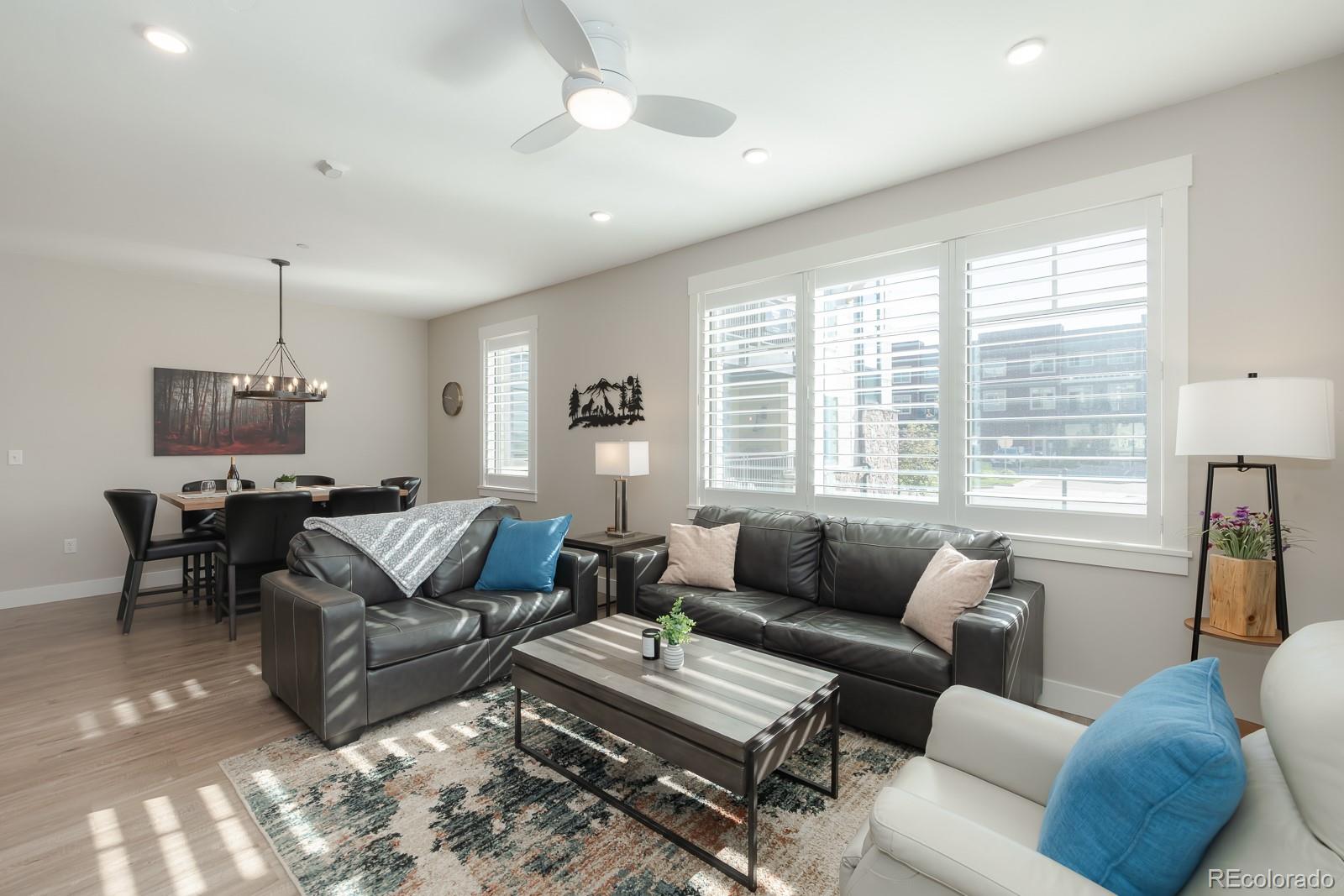


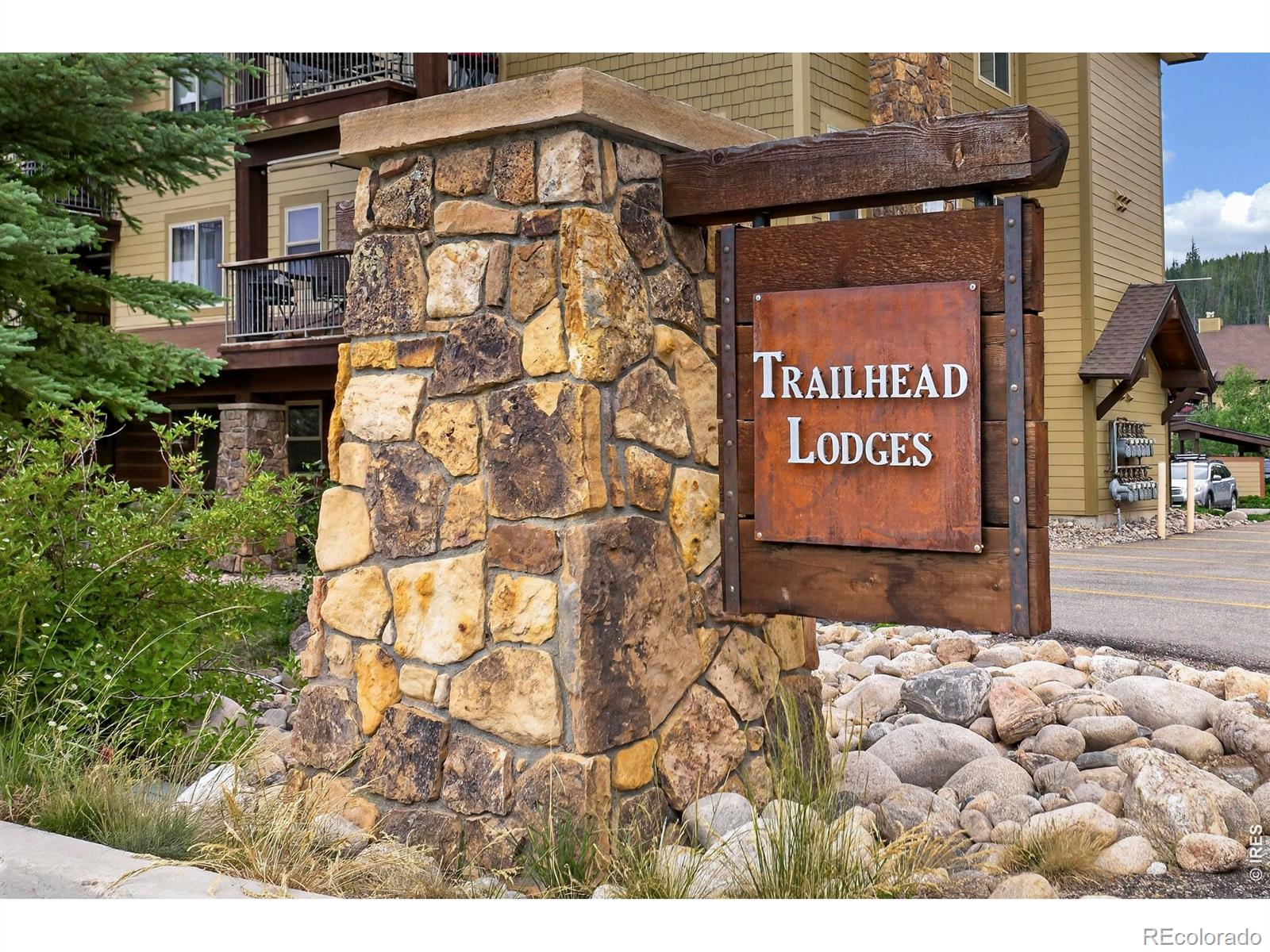


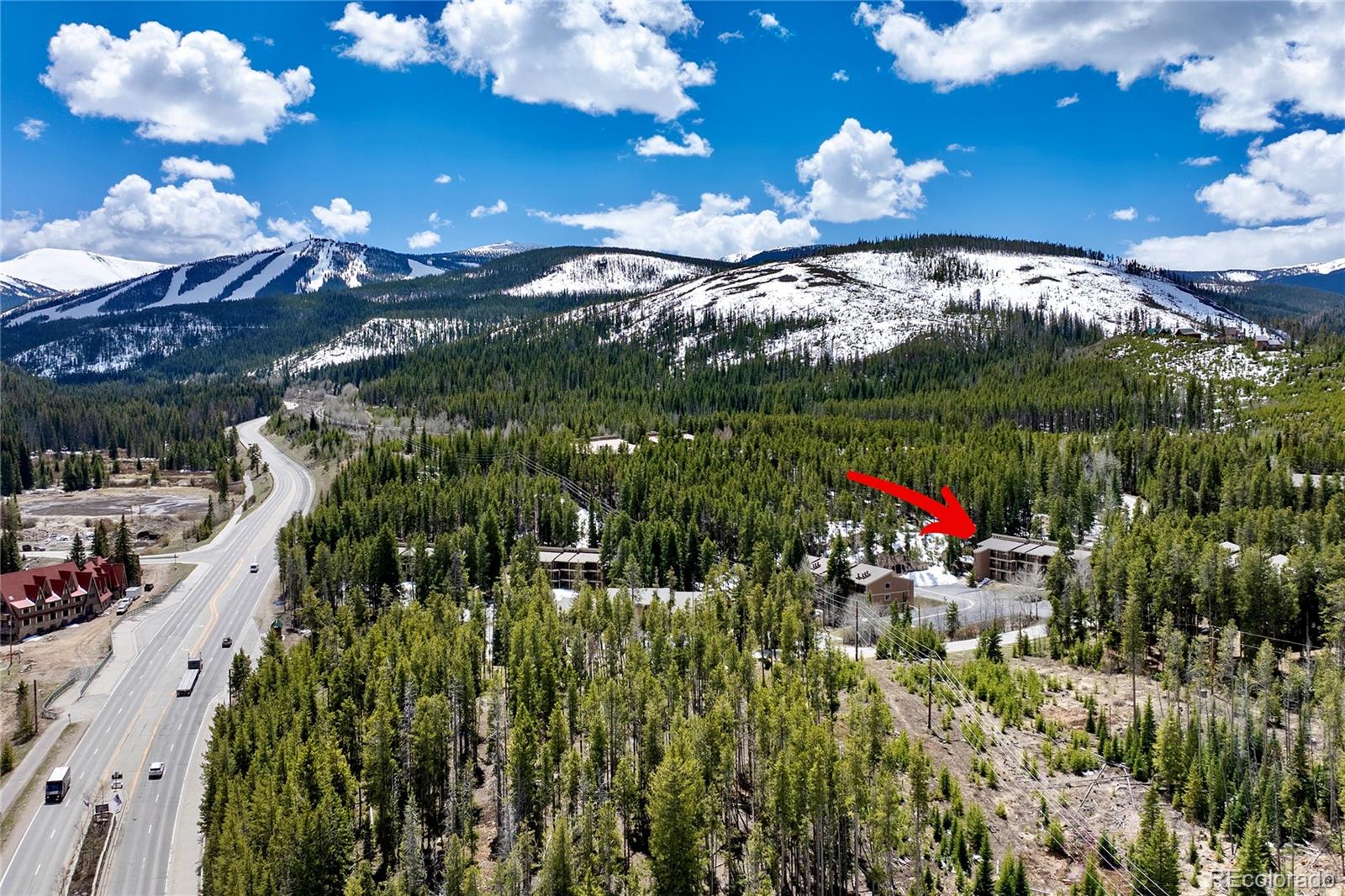


What $1.4M buys in Winter Park this week: the median home at 1,761 square feet, $837 a foot, in a market that is 51 percent condos and townhomes. 61 Winter Park homes for sale in all, $355K to $4.25M; the charts, the ZIP codes, the monthly cost and the questions buyers ask are below.
Condos and townhomes are 51 percent of the Winter Park inventory; the HOA line matters on those. 2 lots and land parcels are listed separately.
$837 per square foot at the median. Compare two Winter Park homes on the per-foot number and the condition before the list price.
Budget the fee as part of the payment; the worked example below includes it.
New construction homes for sale in Colorado and every builder's incentive.
80482 carries the most Winter Park listings this week (60), then 80446 (1). Filter the grid above by ZIP with the map, or text the ZIP to 303-955-4220 for that list.
61 houses, condos and townhomes this week, $355K to $4.25M, median about $1.4M, plus 2 lots and land listings. The grid at the top of this page is the live MLS list and refreshes daily.
About $10,960 a month on the median $1.4M home with 5 percent down at a 7 percent note rate: $8,842 principal and interest, $641 property tax, $408 insurance, $554 mortgage insurance, $511 HOA. A seller-paid 2-1 buydown cuts year one by $1,707. More: Can I afford a home now?.
The 2- to 4-unit buildings and small apartment properties for sale across the state are on Colorado income properties for sale, mapped by city; call 303-955-4220 for the Winter Park buildings as they list.
61 competing listings, median $1.4M, $837 a foot. A home priced inside the band where the most listings sit ($550K to $1.05M) meets the most buyers. What is my Winter Park home worth? and why a Colorado house is not selling.
Most do: 51 of 61 listings carry a monthly fee, median $511. Ask for the budget and the covenants before the inspection; the fee is part of your debt ratio. More: HOA fees in Colorado, explained.
Yes. Colorado down-payment assistance works at a 620 credit score, FHA takes 3.5 percent down, VA and USDA zero where the home and the buyer qualify, and a seller credit covers closing costs. On the median Winter Park home that is $48,965 down at 3.5 percent. Can I afford a home now?
Text WINTER PARK and your price range to 303-955-4220. A live person answers, sets up the saved search and sends the disclosures on any home you want to see.