New - 3 Hours Ago

Black Hawk homes for sale, updated daily from the MLS: 70 houses for sale in Black Hawk, Colorado from $200K to $4.5M, median about $725K. 42 lots and land parcels are listed alongside them. Call or text 303-955-4220. A live person answers.




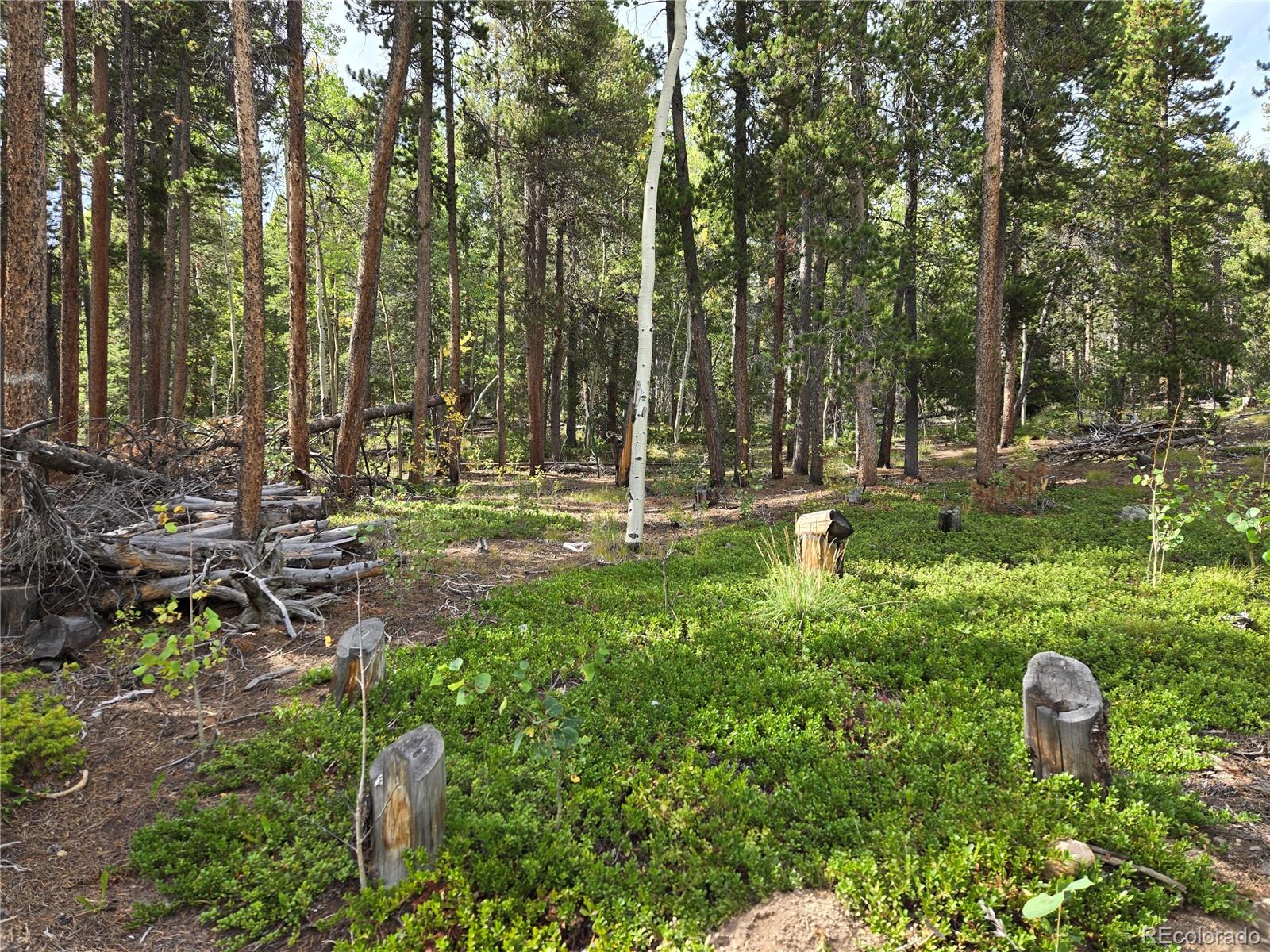

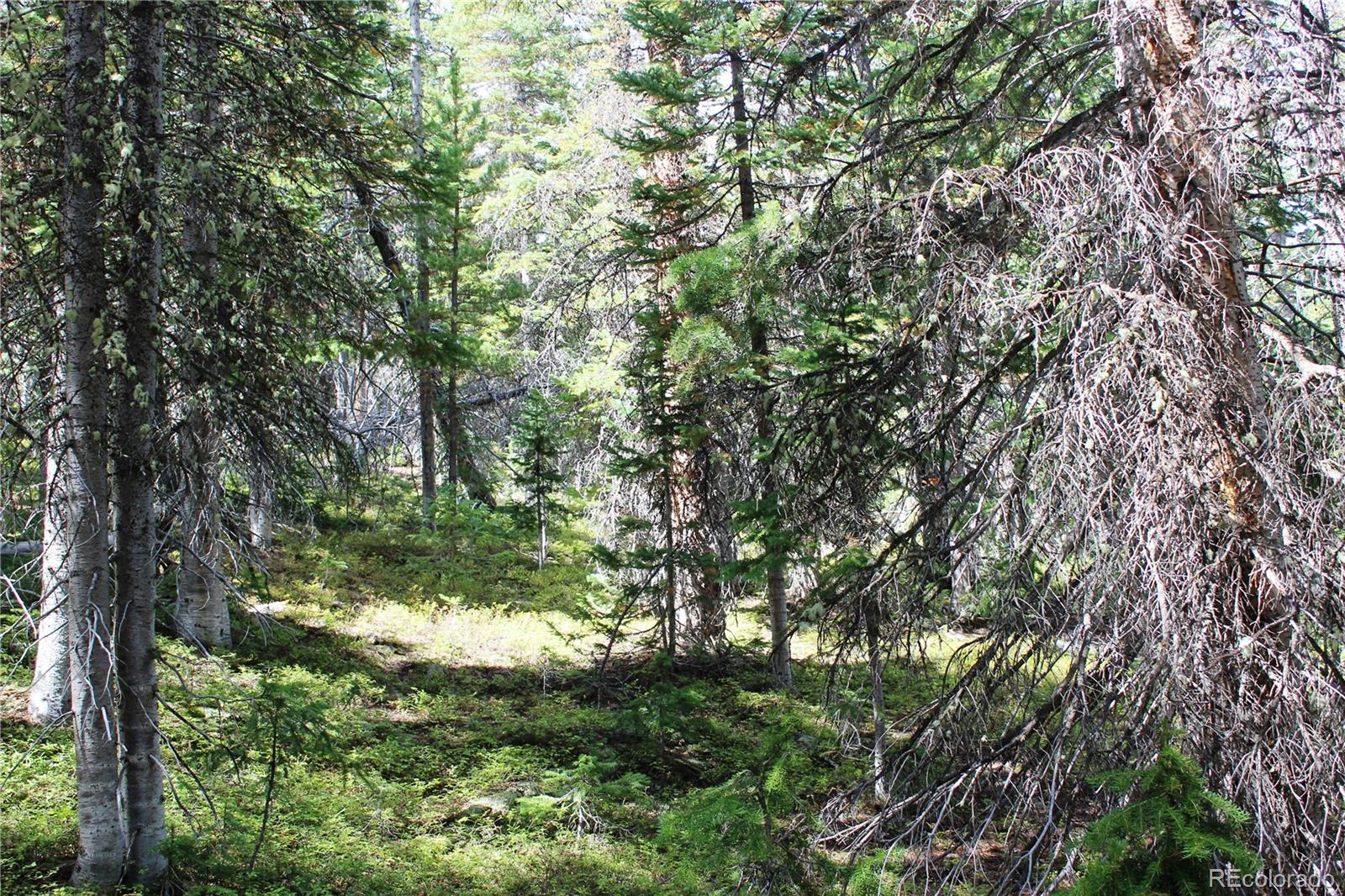

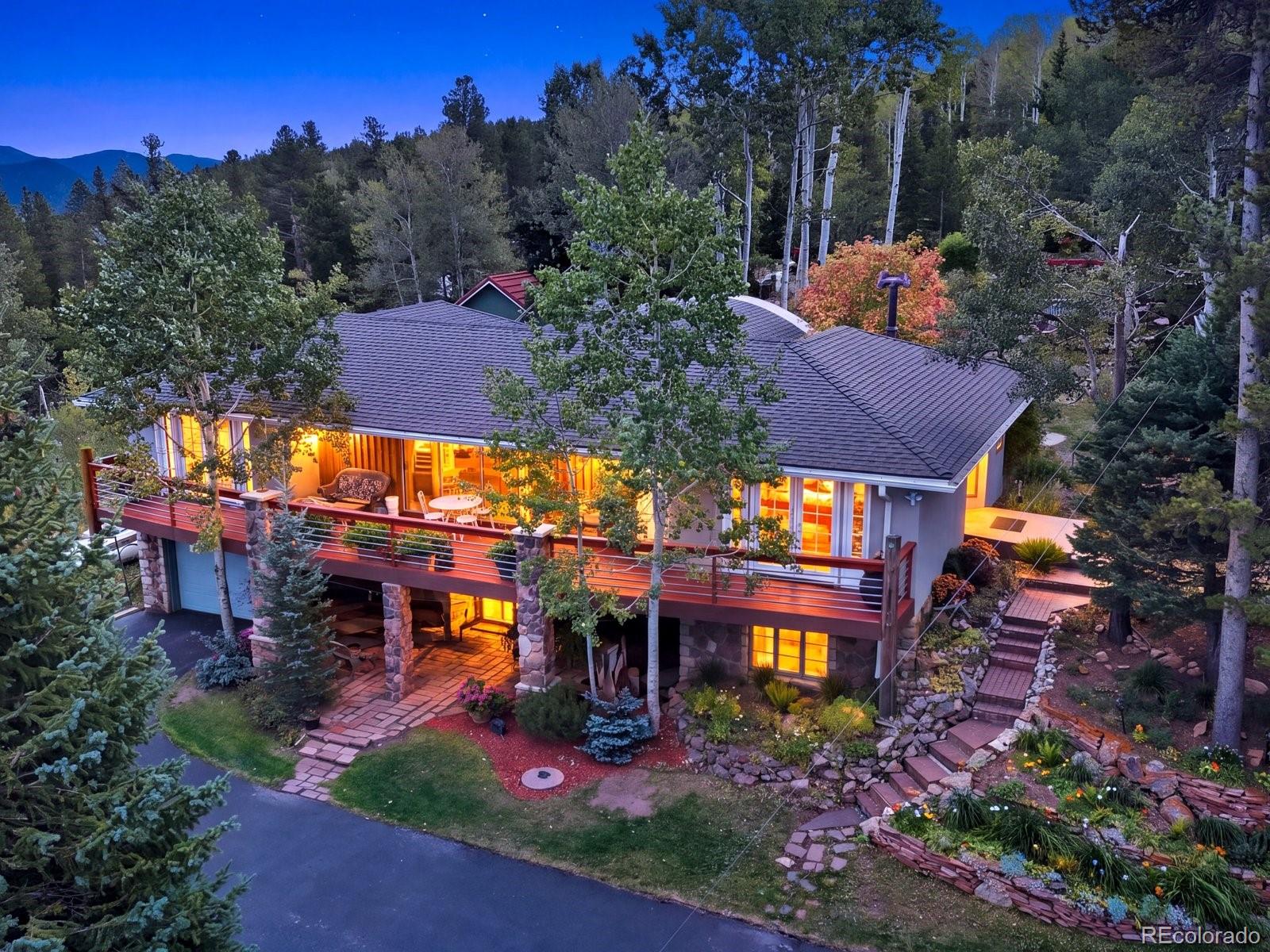

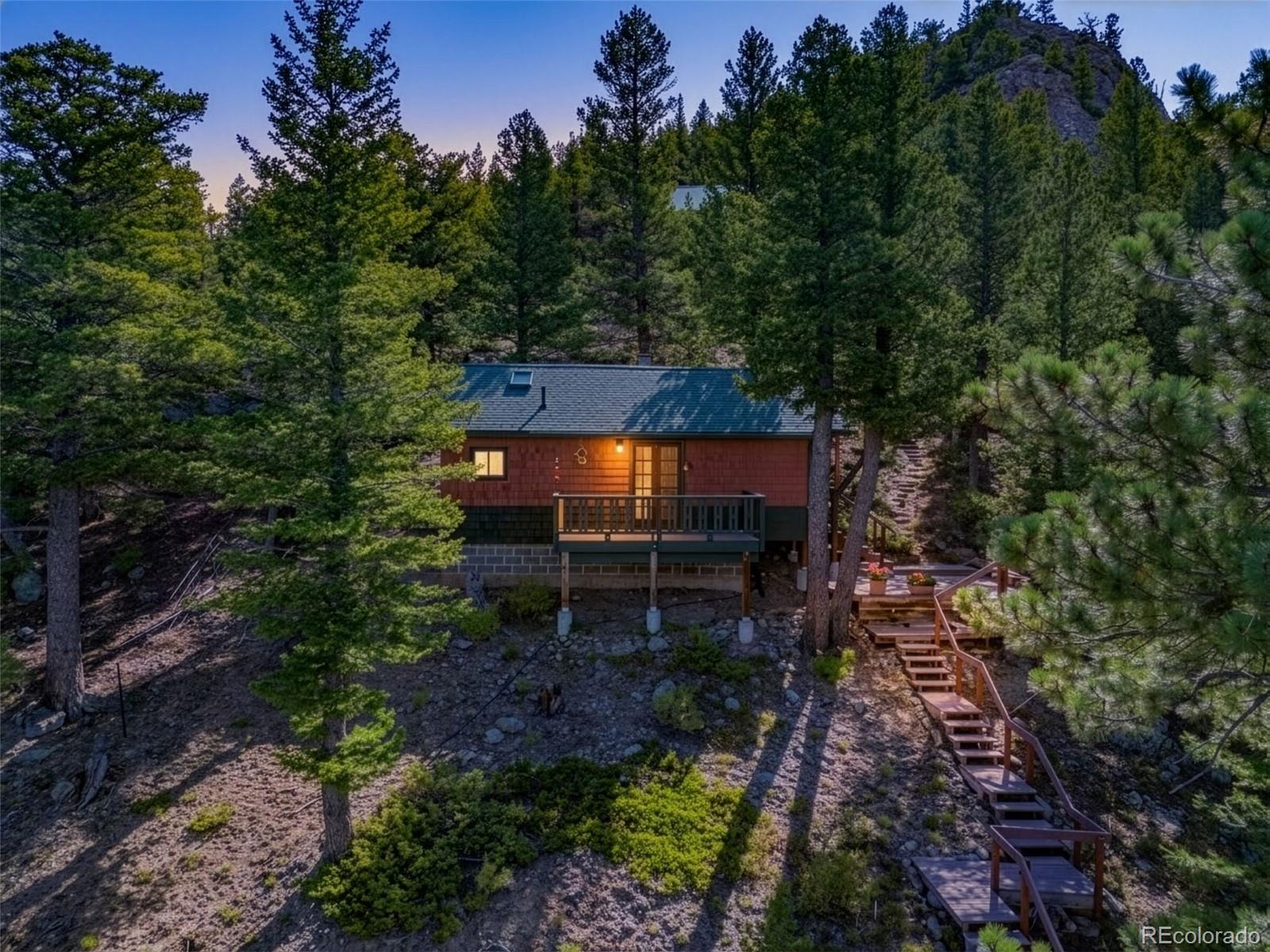

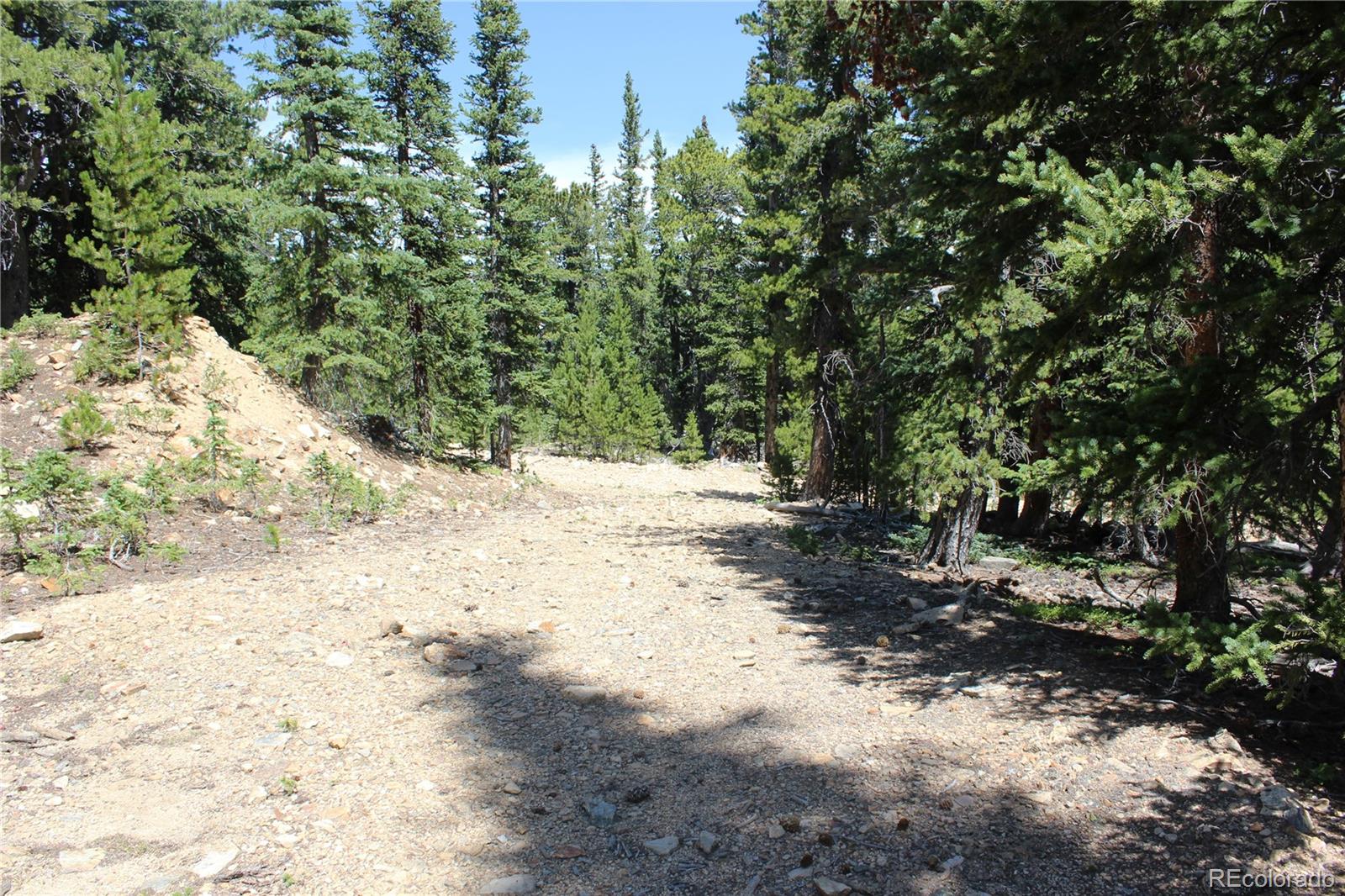

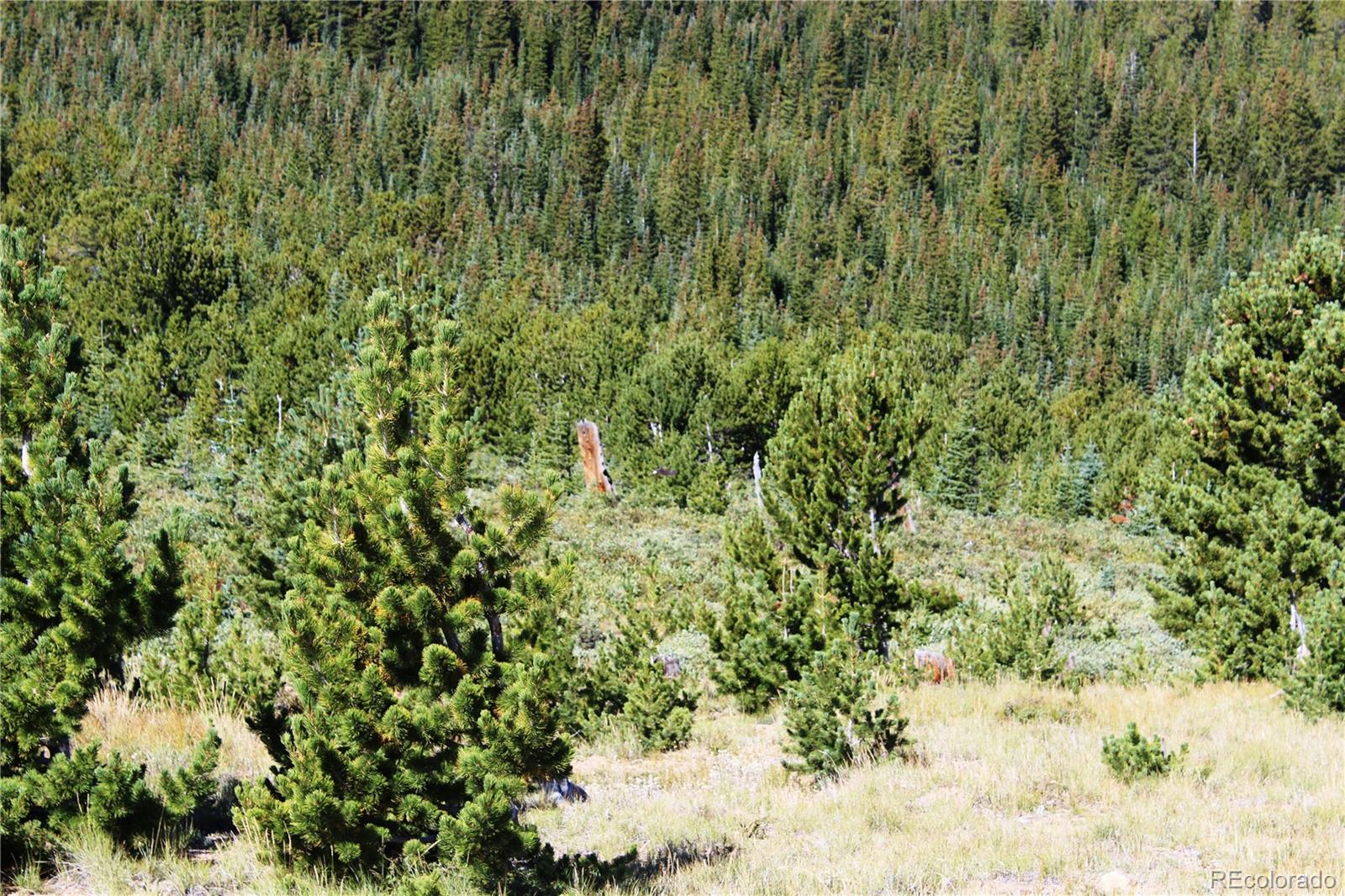
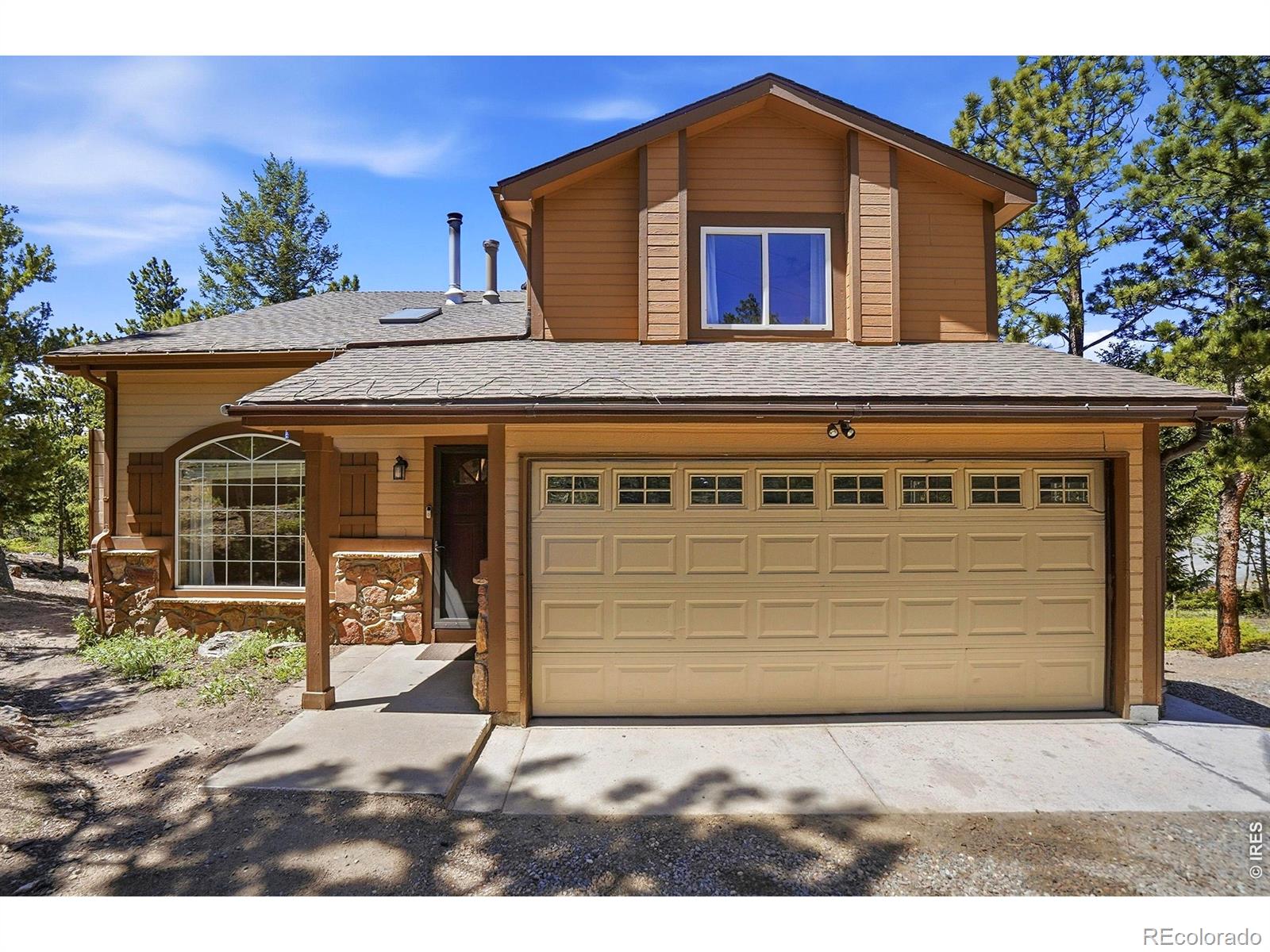
Black Hawk, Colorado has 70 homes for sale right now. The spread is wide, $200K to $4.5M, so the median ($725K) matters more than the average; the price-band chart shows where the inventory sits, the bedroom chart shows what each count costs, and the ZIP table shows which part of Black Hawk carries the listings.
Black Hawk is a single-family market; condos and townhomes are 0 of the 70 listings. 42 lots and land parcels are listed separately.
$343 per square foot at the median. Compare two Black Hawk homes on the per-foot number and the condition before the list price.
The 1 that do carry one run a median $115 a month, mostly townhomes and newer subdivisions.
New construction homes for sale in Colorado and every builder's incentive.
70 houses this week, $200K to $4.5M, median about $725K, plus 42 lots and land listings. The grid at the top of this page is the live MLS list and refreshes daily.
About $5,410 a month on the median $725K home with 5 percent down at a 7 percent note rate: $4,582 principal and interest, $332 property tax, $211 insurance, $287 mortgage insurance. A seller-paid 2-1 buydown cuts year one by $885. More: Can I afford a home now?.
The 2- to 4-unit buildings and small apartment properties for sale across the state are on Colorado income properties for sale, mapped by city; call 303-955-4220 for the Black Hawk buildings as they list.
Yes. Colorado down-payment assistance works at a 620 credit score, FHA takes 3.5 percent down, VA and USDA zero where the home and the buyer qualify, and a seller credit covers closing costs. On the median Black Hawk home that is $25,375 down at 3.5 percent. Can I afford a home now?
80422 with 70 this week. Each ZIP is its own market inside Black Hawk; compare price per square foot within the ZIP, not across the city.
Builders list new homes on the MLS when they have them; Colorado new construction homes for sale shows every builder's inventory by city with the incentives.
Text BLACK HAWK and your price range to 303-955-4220. A live person answers, sets up the saved search and sends the disclosures on any home you want to see.