New - 5 Hours Ago

.jpg)


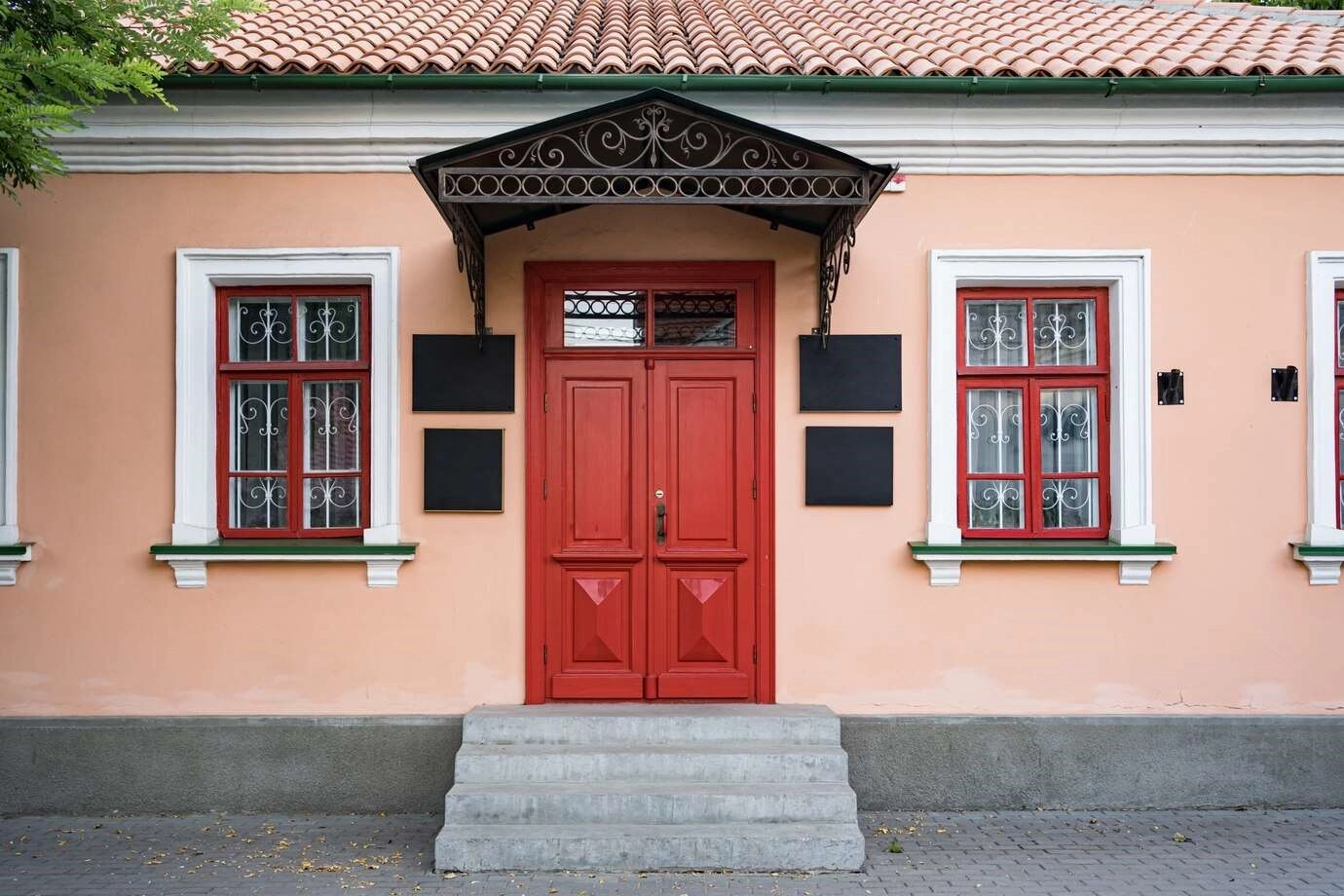
Every front door trend below works on the Front Range, but each one needs a Colorado-specific check first: will the color hold up to 300 days of sun, will the hardware survive dry air and freeze-thaw, and does the HOA or historic district sign off before installation.
Deep sage, terracotta, and muted jewel tones are showing up on Front Range listings from Denver's Berkeley and Sunnyside neighborhoods to newer Castle Rock developments. A factory-baked fiberglass finish holds a bold color through Colorado's UV exposure far longer than field-applied paint, which can visibly fade within two to three summers on a south- or west-facing entry.
Matte black and aged bronze hardware pair well with nearly any door color and read as current in Front Range listing photos. Powder-coated finishes resist Colorado's dry air and UV better than a lacquered finish, which can chalk or thin over a few seasons; ask for a powder-coat or PVD finish specifically when ordering hardware for an exposed entry.
A pivot door, hinged on a center axis rather than the side, makes a striking entry on a mountain-modern Front Range home, but it needs a heavier frame and professional installation to handle wind load; foothills-corridor gusts from Golden through Boulder County regularly exceed 50 mph. Confirm the manufacturer's wind rating before ordering one for an exposed, unsheltered entry.
A split Dutch door works well on a covered Front Range porch where the top half can stay open for airflow during Colorado's mild spring and fall days, but the horizontal seam between the two halves is an extra point where cold air and moisture can work through weatherstripping over time. Choose a Dutch door with a quality compression seal at the split, and expect to check that seal yearly, resetting the latch hardware as the frame shifts slightly with the seasons.
An arched front door and matching transom fit Denver's Tudor and Spanish Revival bungalow stock in neighborhoods like Washington Park and Park Hill, and the shape clears historic district review faster than a modern rectangular door on these homes in most cases, per the Denver ADU, zoning, and historic district guide, because it matches the original architectural language. Custom arched openings cost more to frame and finish than a standard rectangular door, so budget accordingly and get a firm quote before demolition on the existing frame begins.
Frosted, reeded, or art glass sidelights and door lites bring in light without exposing the entry hall to the street, a practical fit for closer-set Front Range lots in neighborhoods like LoHi or Uptown. Any decorative glass near a Colorado entry should use laminated, impact-rated glazing rather than plain tempered glass, since it doubles as hail protection during storm season.
Pairing a bold door color with a contrasting trim color, black trim against a cream door, or white trim against a deep green door, reads as intentional rather than mismatched in current Front Range listings. Most HOAs and metro districts that approve exterior color changes, per the Denver HOA rules and fees guide, require both colors submitted together on the architectural review form, not just the door color, and some limit the number of accent colors allowed on a single elevation.
Smart locks with a keypad or app-based entry work reliably in Colorado's cold as long as the unit uses lithium batteries rated for low temperatures rather than standard alkaline, which lose capacity faster below freezing. A keypad entry is also a practical tool during a listing period, letting a seller's agent manage showing access without rekeying for every showing.
An 8-foot or taller front door reads as a luxury signal on higher-end Front Range listings in areas like Cherry Hills Village and Greenwood Village, but the larger surface area needs a properly engineered header and reinforced hinges to stay square through years of freeze-thaw movement in the framing around it. This is not a retrofit to attempt without a structural check on an older opening, and it adds real cost, so weigh it against a home's overall price point before committing.
A covered porch or a simple overhang above the door protects any finish, glass, or hardware choice from direct hail and UV exposure, extending the life of nearly every trend on this list. On a Front Range entry with no overhang, prioritize the most weather-resistant version of a chosen style, factory-finished fiberglass, impact-rated glass, powder-coated hardware, over the version that looks best in a showroom.
Of everything above, a fresh factory-finished color and updated hardware give the fastest return before listing a Front Range home, since both show clearly in listing photos and cost far less than a full door replacement, a distinction worth weighing against the rest of the preparing and adding value before selling checklist. Take down seasonal wreaths and personal decor for listing photos and showings; a clean, well-lit entry photographs better and reads as more move-in ready than a heavily decorated one.
A modern front door reads strongest against a porch railing and trim in a complementary material: powder-coated black steel railing against a mountain-modern fiberglass door, or painted wood railing and simple square balusters against a Denver bungalow's arched entry. Mixing railing styles that fight the door's era, ornate wrought iron against a flush modern slab door, undercuts the impact of the door upgrade even when the door itself is well chosen.
A front door replacement rarely moves the needle on a Front Range appraisal by itself; appraisers weigh overall condition and comparable sales more than a single cosmetic feature. Where a bold, well-executed entry helps is in buyer perception during a showing, which affects how competitively a home is priced and how quickly it draws offers, an effect that shows up in days on market more than in the appraised value a Smart Pricing Report calculates.
Install a new front door at least two to three weeks before professional listing photos, giving time for touch-ups, hardware adjustment, and any HOA sign-off to clear before the camera shows up. A door ordered too close to a listing date risks arriving after photos are scheduled, especially during the busy spring listing season when Front Range contractors book out further in advance and manufacturing lead times stretch past four weeks.
Deciding which entry upgrade is worth the cost before a Front Range home goes on the market, the Kenna Real Estate Group tells sellers what buyers actually notice at a showing versus what only looks good in a catalog. Call or text 303-955-4220. A live person answers. Not a robot, not a phone tree. Ready to browse instead? search every home for sale in Colorado.
Questions about any home in Colorado? Call or text 303-955-4220. A live person answers.
Field-applied paint can visibly fade within two to three summers on a south- or west-facing door. A factory-baked fiberglass finish holds a bold color far longer under Colorado's UV exposure.
Powder-coated or PVD-finished black and bronze hardware resists dry air and UV better than a lacquered finish, which can chalk or thin within a few seasons on an exposed entry.
Only with a heavier frame and a manufacturer wind rating checked in advance. Foothills-corridor gusts from Golden through Boulder County regularly exceed 50 mph.
Yes, for any Colorado entry without a covered overhang. Laminated, impact-rated glazing protects decorative sidelights and door lites the same way it protects hail-rated windows.
Most Front Range HOAs and metro districts that review exterior color changes want both the door and trim colors submitted together on the architectural review form.
Yes, when the unit uses lithium batteries rated for low temperatures. Standard alkaline batteries lose capacity faster below freezing and can fail on the coldest days.
A fresh factory-finished color and updated hardware give the fastest return, since both show clearly in listing photos and cost far less than a full door replacement.
Yes, an arched door and transom clear historic district review faster than a modern rectangular door on Denver's Tudor and Spanish Revival bungalow stock in most cases, since it matches the original architectural language.


