New - 21 Hours Ago


.jpg)


A Denver metro home sells in the first 14 days when it is priced from sold comps, cleaned to the studs, photographed by a professional, and free of the four inspection items Colorado buyers flag most: sewer line, radon, roof and furnace. A home missing any one of those sits past 30 days and takes a $10,000 to $25,000 price cut to move.
The ten steps below are the order the Kenna Real Estate Group at Keller Williams DTC uses on every listing from Fort Collins to Colorado Springs. Each one has a Front Range cost and a deadline. The Colorado Home Seller's Guide covers the paperwork and closing side in full.
Median days in MLS across the Denver metro run 30 to 50 depending on the month, and a home that gets an offer gets it in the first two weekends 70 percent of the time. From accepted contract to closing takes 30 to 45 days with a mortgage buyer and 10 to 14 days with cash. Plan on 60 to 100 days from the first box packed to the check from the title company. DMAR publishes the metro numbers monthly; our DMAR market post reads them for sellers.
| Step | Front Range cost | Finish by |
|---|---|---|
| 1. Declutter and deep clean | $300 to $800 crew clean; $150 to $400 per month storage unit | 3 weeks before photos |
| 2. Curb appeal | $200 to $1,500 | 1 week before photos |
| 3. Pre-listing inspection items | $150 to $300 sewer scope; $150 to $250 radon test; $120 to $200 furnace service | 4 weeks before listing |
| 4. Staging | $200 to $500 occupied consult; $1,500 to $3,500 per month vacant | Day before photos |
| 5. Professional photos, floor plan, video | $250 to $700 | 5 days before listing |
| 6. Light and open rooms | $100 to $600 in bulbs and fixtures | With paint |
| 7. Odors gone | $0 to $600 (ozone treatment for smoke) | 2 weeks before photos |
| 8. A Colorado broker with a written plan | Listing commission, negotiable, paid at closing | 6 to 8 weeks before listing |
| 9. Price from sold comps | Smart Pricing Report, no charge | 1 week before listing |
| 10. A written price-adjustment date | $0 | Set before listing day |
Take out one-third of the furniture and everything on horizontal surfaces except one item per counter. Rent a storage unit in Centennial, Lakewood or Thornton for $150 to $400 a month rather than filling the garage; buyers open the garage. Have a crew clean windows inside and out, because Front Range dust and mag chloride spray leave a film that shows in every photo. Our list of things to leave behind when selling a Colorado house tells you what stays.
Repaint the front door with UV-rated exterior paint, put two inches of rock or mulch in the beds, edge the lawn, and extend every downspout six feet from the foundation. Inspectors write up grading on nearly every bentonite-clay lot in the metro, so fixing drainage before photos removes an objection. In winter, shovel and de-ice the walk before every showing; a fall on an icy step ends the showing and the offer.
Colorado buyers get an inspection objection deadline in the state contract, and four items drive most objections in the Denver metro:
Our post on rising inspection requirements for Denver sellers covers the rest of the list.
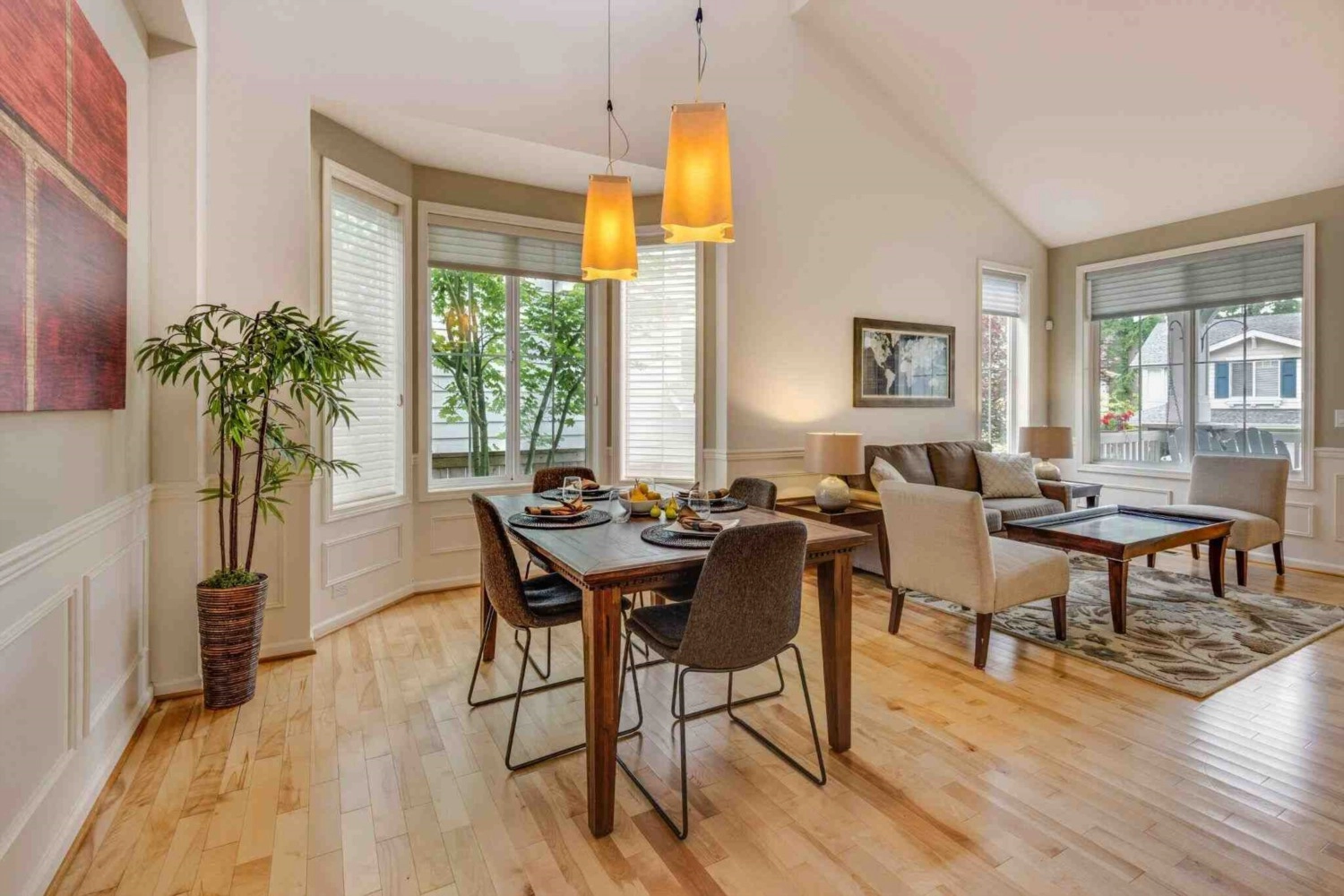
Stage the living room, kitchen, dining room and primary bedroom. An occupied-home consult in the Denver metro costs $200 to $500 and uses your furniture; a vacant home rents furniture for $1,500 to $3,500 a month. Staged homes in the metro sell 7 to 10 days faster than unstaged homes at the same price, which covers the cost at the current median. For a home that is empty, virtual staging on the photos costs $30 to $75 per room; the Denver virtual staging post shows what it looks like.
Ninety-five percent of Denver metro buyers see the home on a phone first. A professional real estate photographer shoots 30 to 40 wide, bright, level frames for $250 to $400, and a drone set adds $100 to $200 on a lot with mountain views. Order a floor plan with the shoot; Colorado buyers moving from out of state rely on it, and our post explains why floor plans sell Colorado homes. Shoot on a clear day between 10 am and 2 pm, blinds open, every light on.
Paint anything darker than tan a warm white, hang curtains at the ceiling line, and replace dim bulbs with 2700K to 3000K LEDs. Colorado light at 5,280 feet is bright at noon and gone by 4:30 pm in December, so evening showings depend on fixtures, not windows. Open every blind before you leave for a showing.
Pet, cigarette and cannabis smoke are the three odors that end Denver showings at the front door. Steam-clean carpets ($150 to $400), wash walls in smoke-exposed rooms with a degreaser, and run an ozone treatment ($300 to $600) for a home that was smoked in. Skip candles and plug-ins during showings; buyers assume they are hiding something. Board pets for the first two weekends of showings.
Colorado licenses every agent as a broker under the Division of Real Estate at DORA, and the state contract lets a broker work for you as a seller's agent or as a neutral transaction broker. Ask which one is in the listing agreement. Then ask for the marketing plan in writing: photo and video schedule, MLS syndication, the day the listing goes live, open house dates, and the price review date. Read how we market a Colorado home to sell and check client reviews of the Kenna Real Estate Group before signing anything.
Price within 2 percent of the last three comparable sales inside one mile and the last 90 days. A listing priced 5 percent over the comps in the Denver metro gets fewer showings in week one, misses the first two weekends, and ends up selling for less than a listing priced at market on day one. The Smart Pricing Report pulls those comps for your exact home; our Denver seller pricing strategy post explains how buyers search in $25,000 bands.
Write down the rule before the sign goes up: no offer after two full weekends and fewer than eight showings means a price cut of 2 to 3 percent on day 15. A home that hits day 30 in the Denver metro without a cut gets labeled stale, and buyers start their offers below asking. Persistence in this market means adjusting on schedule, not waiting.
On a $600,000 Denver metro sale, plan on these seller-side numbers: listing commission (negotiable, agreed in the listing contract), any buyer-broker compensation you agree to offer, the owner's title insurance policy that Colorado sellers pay by custom ($1,500 to $2,500), title company closing fee ($300 to $600), prorated property taxes paid in arrears, and HOA transfer or status letter fees in a metro district or HOA community ($150 to $500). Colorado has no state real estate transfer tax. Our home equity and net proceeds guide works the full sheet.
The Colorado Real Estate Commission's Seller's Property Disclosure asks you to state what you know about the roof, structure, water and sewer, mechanical systems, water rights, past insurance claims, and environmental items such as radon and, for a home built before 1978, lead-based paint. Fill it out completely from memory and receipts; a blank line reads as a hidden problem. Sellers in a metro district or HOA also deliver the governing documents and status letter on the contract's deadline.
Listings that go live from the second week of March through mid-June draw the most showings in the Denver metro, and the first week after Labor Day is the second window. Listings that go live between Thanksgiving and New Year's face the fewest buyers but the least competition. The best times to sell a house in Colorado post has the month-by-month numbers.
The Kenna Real Estate Group at Keller Williams DTC runs every listing on this ten-step schedule, from the sewer scope to the price review date, and prices it with a Smart Pricing Report built from sold comps in your neighborhood. Call or text 303-955-4220. A live person answers. Not a robot, not a phone tree. When the next home is part of the plan, search every home for sale in Colorado.
Questions about any home in Colorado? Call or text 303-955-4220. A live person answers.
Pricing within 2 percent of the last three sold comps, professional photos, and a clean sewer scope and radon test in the showing binder. Homes with all three get offers in the first two weekends in the Denver metro.
Yes. An occupied-home consult costs $200 to $500 and vacant staging $1,500 to $3,500 a month, and staged homes sell 7 to 10 days faster at the same price, which covers the cost at a $600,000 median.
An open house the first Saturday and Sunday after listing draws buyers who are already touring the neighborhood. After the second weekend, private showings do the work.
Shovel and de-ice the walk before each showing, set the thermostat to 68, turn on every light, and open every blind. Showings after 4:30 pm in December depend on fixtures, not windows.
After two full weekends with no offer and fewer than eight showings, cut 2 to 3 percent on day 15. A listing past day 30 without a cut gets offers below asking.
A seller's agent owes you advocacy and confidentiality; a transaction broker stays neutral between the parties. Both are legal in Colorado, and the choice is written in the listing contract.
By custom the seller pays for the owner's title policy, $1,500 to $2,500 on a $600,000 sale, and the buyer pays for the lender's policy. Colorado has no state transfer tax.