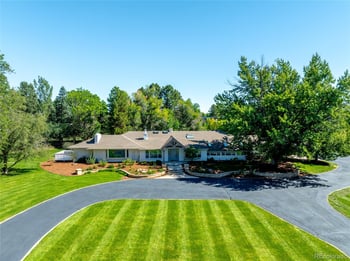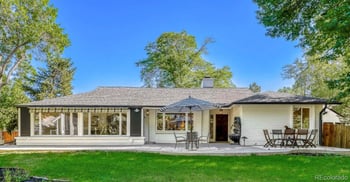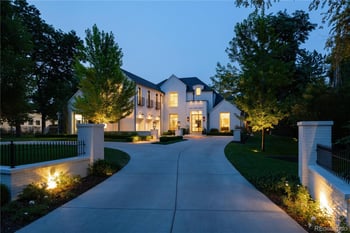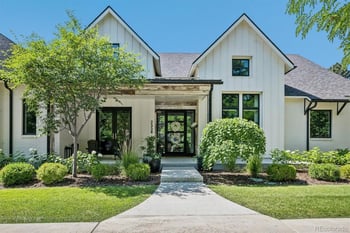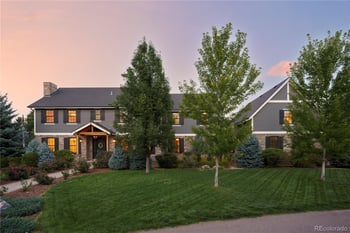
$3,800,000
Active
7
Beds
7
Baths
7129
Sqft
0.89
Acres
15 Layton Ln, Cherry Hills Village, CO 80113
MLS#: REC6583642
.jpg)


The additions that move a Front Range luxury home from impressive to sought-after are the ones that solve a real daily need: a wellness suite that replaces a gym membership, a showroom garage that protects a collection, a wine room built for Colorado's dry climate. Here's what each one costs, what permits and HOA review it triggers, and what holds value at resale.
A dedicated wellness suite goes beyond a home gym with a sauna, a cold plunge pool, and a quiet room separate from the workout equipment. High-end builders such as JayMarc's high-end homes in Kirkland treat this kind of space as standard infrastructure rather than an upgrade, and the same demand is showing up in custom builds across Cherry Hills Village, Castle Pines, and Boulder. Budget for dedicated ventilation and moisture control; a sauna and cold plunge room needs its own exhaust fan and a floor drain, which a Colorado building permit reviews as part of the mechanical plan.
A heated, insulated garage with epoxy flooring, custom storage, and display lighting protects a car collection through a Front Range winter and keeps the space usable year-round. Because it's conditioned space, it falls under Denver's 2022 energy code for insulation and heating equipment, and an oversized or detached garage commonly needs its own setback review from the county or HOA. Budget more for the insulation and radiant floor heat than for the storage systems themselves.
Colorado's low humidity works against a traditional wine cellar, so a Front Range build needs active humidification alongside temperature control, not just a cooling unit. A well-built cellar holds 45 to 55% humidity and a steady 55 degrees regardless of the dry air outside, and the mechanical system for that is a real line item in the permit, not an afterthought. Smart inventory tracking and a tasting bar are the easy part; the humidity control is what makes the room work at altitude.
Heated flooring, a retractable wall system, and a covered outdoor kitchen extend a Colorado patio's usable season well past a typical summer. Build for hail: Colorado's hail season runs from spring through September, so retractable awnings, outdoor televisions, and uncovered furniture need a storage or retraction plan, and impact-rated roofing over any covered structure holds up better and can lower an insurance premium. A rooftop terrace also has to meet the local snow load requirement in its structural design, which a Front Range engineer builds into the permit set.
A concealed study, a wine room behind a bookcase, or a reinforced storage room still needs to meet the same building, electrical, and egress code as any other room in the house; hidden doesn't mean unpermitted. Reinforced walls, a dedicated lock system, and soundproofing are the parts worth budgeting real money for, since the concealment itself is mostly finish carpentry.
Modern systems run well past a projector and a screen, with layered surround sound, tiered seating, and acoustic treatment on the walls and ceiling. Because this is a finished, conditioned room, it counts toward the home's square footage and energy code compliance the same as any other addition, so plan the HVAC load for it separately from the rest of the house.
AI-powered refrigerators that track inventory, voice-activated ovens, and a dedicated prep space for a private chef turn a luxury kitchen into a working kitchen instead of a showpiece. Xcel Energy rebates apply to qualifying high-efficiency appliances and induction ranges, which is worth checking before finalizing the appliance package on a full kitchen remodel.
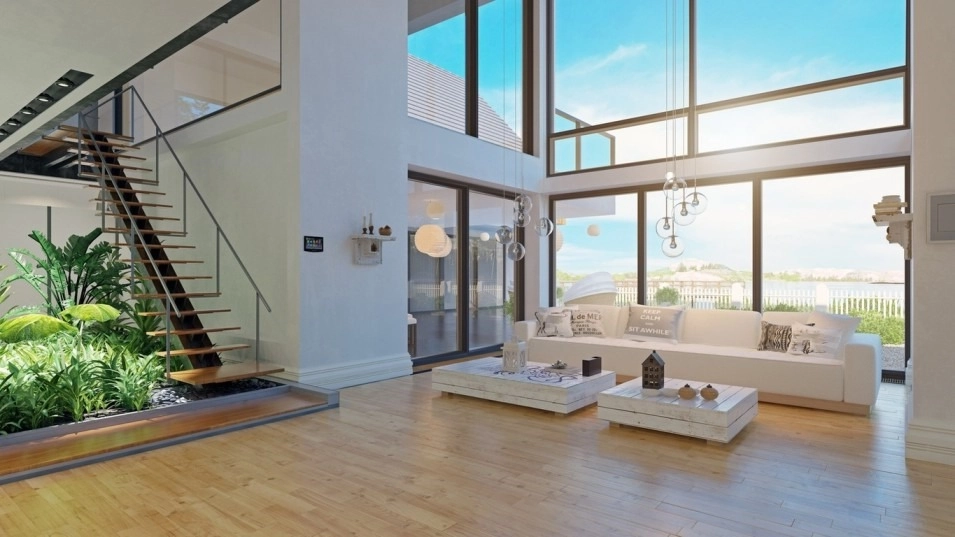
An indoor garden or atrium with real irrigation and grow lighting needs a plumbing line and, depending on size, its own humidity control to keep the moisture out of the surrounding drywall. This is one of the additions best planned during initial construction rather than retrofitted, since the plumbing and structural support are easier to build in from the start.
Soundproof walls, tuned lighting, and a private video-conferencing nook turn a spare room into real working space, and in some Denver zoning districts a fully separated office with its own entrance can qualify toward an accessory dwelling unit if a buyer wants that flexibility later. Check the current Denver ADU rules before designing the space if that dual-use option matters.
Floor-to-ceiling shelving, a rolling ladder, and layered lighting make a reading room feel finished rather than staged. Textiles and oriental rugs ground the space and are one of the lower-cost ways to add warmth to a large, hard-surfaced room.
Yes. A detached garage, a below-grade wine cellar, or any addition with its own footing needs the same geotechnical review as new construction on Front Range clay soil. Skipping that report to save time on a smaller addition is one of the more common ways a homeowner ends up with a cracked slab or a sticking door a few years later.
A single-room addition like a wine cellar or a home office commonly takes 3 to 6 months from permit application to completion, while a larger project like a showroom garage or a full wellness suite with its own mechanical system can run 6 to 10 months. HOA or ARC review, where it applies, commonly runs in parallel with the city or county permit if both are submitted at the same time.
Cherry Hills Village, Castle Pines, Boulder, and parts of Lone Tree and Greenwood Village see a steady flow of high-end additions, largely because larger lots give more room for a detached garage or an outdoor living expansion without triggering a variance. Denver's Cherry Creek and Hilltop neighborhoods see more interior additions, wellness suites and home theaters, since lot sizes are tighter.
In competitive Front Range luxury markets, additions that read as usable square footage, a wellness suite, a real home office, a showroom garage, tend to hold value better at resale than purely decorative upgrades. Clay soil is common across the Denver metro, so any addition with its own foundation, a garage, a wine cellar below grade, needs its own soils check before groundbreaking, the same as new construction.
The Kenna Real Estate Group works with Front Range buyers and sellers on which luxury additions actually pay off in Cherry Hills Village, Castle Pines, Boulder, and across the Denver metro before a shovel goes in the ground. Call or text 303-955-4220. A live person answers. Not a robot, not a phone tree. Or search every home for sale in Colorado, including move-in-ready luxury properties.
Questions about any home in Colorado? Call or text 303-955-4220. A live person answers.
Yes, because it reads as finished, usable square footage rather than a hobby room, and buyers actively search for home gyms with sauna and cold-plunge features in the luxury segment.
Budget well beyond a standard garage once insulation, radiant heat, epoxy flooring, and display lighting are priced in; the mechanical system for year-round heat is the largest single line item.
Yes, but only with active humidification added to the cooling system, since Colorado's dry climate pulls moisture out of a cellar that would hold humidity naturally at sea level.
Most HOAs and metro districts require architectural review committee approval before exterior changes, separate from the city or county building permit, and both should be filed at the same time to avoid delay.
Xcel Energy offers rebates on qualifying high-efficiency HVAC equipment, heat pumps, and some appliances; check current program rules before finalizing equipment selections on a remodel.
A fully separated office with its own entrance can sometimes be designed to qualify as an accessory dwelling unit under Denver's current ADU rules; confirm zoning before designing the space that way.
Yes, any roof-level structure on the Front Range has to be engineered to the local snow load requirement, which a structural engineer builds into the permit drawings.
Additions that function as real living space, a wellness suite, a home office, an outdoor kitchen, outperform purely decorative features like hidden passageways when a home goes back on the market.