New - 30 Mins Ago

.jpg)


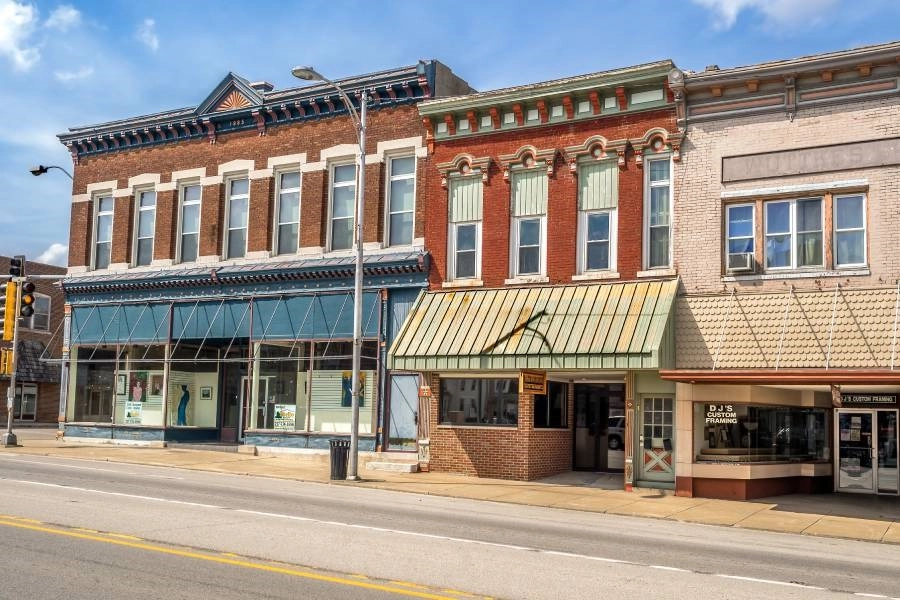
An old Denver-area home is worth restoring when its foundation and framing are sound, its location is holding or gaining value, and the repair bill stays under roughly 30% of what the finished home will appraise for. Below that line, restoration is a smart Colorado real estate move. Above it, the numbers point to a teardown or a walk-away.
Front Range buyers see this decision constantly, from 1900s Baker bungalows to brick two-stories in Golden and Littleton. The bones can be excellent, but Colorado's soil, climate and permitting rules change the math compared to an old house anywhere else. Here is how to run the checklist before you write an offer.
Three things decide it: the structure, the lot, and the neighborhood. A sound foundation and framing keep restoration costs predictable. A lot in a neighborhood with rising sale prices protects the investment even if repairs run over budget. When two of the three are working against you, a teardown or new build on the lot is worth pricing out before you commit to a restoration.
Hire a licensed structural engineer, not just a general home inspector, for any Front Range home built before 1970. Walk the property yourself first and look for:
A structural engineer's report costs roughly $500 to $1,200 in the Denver metro and is the single best money spent before an offer on an older home.
Much of the Front Range sits on bentonite clay that swells when it gets wet and shrinks when it dries out, and a century of that cycle moves old foundations. Look for stair-step cracks in masonry, a floor that's no longer level, and a basement that has already been underpinned or piered. A geotechnical soils report, run alongside the structural inspection, tells you whether the movement has stopped or is ongoing. Ongoing movement changes the restoration budget by tens of thousands of dollars, so get this answer before closing, not after.
Denver's Landmark Preservation office maintains the list of individually designated landmarks and historic districts, and the county assessor's record for the property notes any designation. Search the address before you write an offer, because designation changes what you can do to the exterior later. Other Front Range cities, including Golden, Boulder and Colorado Springs, keep their own local registers, so check with the specific city or county planning department for a property outside Denver proper.
Colorado offers a state income tax credit for the certified rehabilitation of a designated historic property, covering a share of qualified restoration costs, and some cities layer on property tax or fee incentives for landmark-designated homes. Rules and caps change, so confirm current numbers with History Colorado or the city's landmark office before you count on a specific dollar figure. Treat any restoration credit as a bonus on top of the deal, never as the reason to buy a building that doesn't otherwise pencil out.
Asbestos in pipe insulation, floor tile and siding, and lead paint under later coats, are common in Front Range homes built before 1978. Federal law requires a lead-paint disclosure on any home from that era, and Colorado sellers must disclose known hazards on the standard seller's property disclosure. A pre-purchase inspection should call out suspect materials so you can test before demolition starts. Read up on the specific hazardous materials in old buildings so your contractor knows what to test for and abate without damage.
Minor crack injection and sealing runs $500 to $3,000. Pier and underpinning work on a settling foundation runs $10,000 to $40,000 depending on the size of the home and the number of piers needed. Full foundation replacement on a small older home can top $60,000. Get at least two Colorado-licensed foundation contractors to bid before you finalize an offer price.
| Repair type | Typical Front Range cost |
|---|---|
| Crack sealing / minor stabilization | $500 - $3,000 |
| Pier and underpinning | $10,000 - $40,000 |
| Full foundation replacement | $45,000 - $80,000+ |
| Knob-and-tube rewiring (full home) | $8,000 - $20,000 |
| Galvanized to copper/PEX replumb | $6,000 - $15,000 |
Yes. Most Colorado lenders and homeowners insurers flag active knob-and-tube wiring and require it be replaced before closing or within a set window after. Galvanized supply pipes raise similar flags because they corrode from the inside and reduce water pressure over decades. Budget the full rewire or replumb into your offer rather than assuming it will pass as-is; a Colorado-licensed inspector can confirm what's original versus already updated. For financing options on a restoration project, get pre-approved before you shop so the lender's requirements are on the table early.
An individual landmark is a single building with its own protections. A historic district covers a group of properties, and exterior changes on any home inside the boundary go through Denver's design review process, even if that specific house isn't individually significant. District rules cover street-facing changes: windows, siding, additions and roofline. They rarely limit interior work.
Interior remodels proceed without landmark review in most cases. Exterior changes visible from the street, additions, and new construction on the lot go through Denver's Landmark Preservation Commission for design review before the city issues a building permit. Budget extra time, several weeks to a few months, for that review on top of the standard Denver building permit process.
Adaptive reuse means converting a building to a new function from what it was originally built for, an old warehouse into lofts, a church into a single-family home, a corner store into a duplex. Open floor plans, tall ceilings and durable original construction make adaptive reuse cheaper per square foot than starting from raw land. Check the property's current zoning before you buy; a use change needs a variance or rezoning from the city or county in most cases, and that process runs on its own timeline separate from your closing date.
The same restoration budget returns very different value depending on the block. In a neighborhood where nearby sale prices are climbing, a restored old home tends to sell at or above the cost basis plus repairs. In a neighborhood with flat or falling comparable sales, the same restoration can leave you upside down. Pull recent comparable sales for the specific block, not just the ZIP code, before setting a repair budget. Search current Front Range inventory and recent sales at kennarealestate.com/homes to see what similar restored homes are actually closing for.
Colorado's standard contract gives buyers an inspection objection deadline to request repairs, a price reduction or to walk away based on what the inspection finds. For an older home, use that window for the structural engineer's report, a sewer scope, an electrical panel and wiring check, and a roof inspection, in addition to the general home inspection. Anything found after the deadline passes is yours to fix on your own dime, so schedule specialists early, not on the last day of the window.
In most cases, yes, especially with original wiring, plumbing or an older roof. Colorado insurers also weigh hail exposure and wildfire zone heavily in the premium, on top of the age-related factors. Get an insurance quote before you remove your inspection contingency; a policy that comes back with a long list of required repairs, or a premium that changes the monthly payment math, is information you want before closing, not after.
Renovation-specific loans, including FHA 203(k) and conventional renovation products, roll the purchase price and repair budget into one mortgage, the most direct way to fund a restoration without a separate construction loan. Requirements and contractor documentation vary by lender and loan type. Kenna Real Estate Group's financing resources walk through the current options, and Mike Oswald at Rate (NMLS 261003, Equal Housing Lender) is a lender our clients use for renovation financing on the Front Range; you are free to use any lender. Start with the Kenna Credit Care mortgage readiness program if your credit needs a runway before you shop.
Watch for active foundation movement with no stabilization history, a roof past its service life with visible sagging, and a seller's disclosure that lists prior water damage without documentation of the repair. Any one of those on its own is manageable in most cases. Two or more together, on a home priced at or above nearby renovated comparables, is the classic setup for a project that costs more than it returns.
It works when the zoning already allows residential or mixed use, or a rezoning path is realistic on your timeline, and when the structure's floor loads and ceiling heights suit residential layouts without major structural surgery. Talk to the city or county planning department before you write an offer, since permitted use is the single biggest variable in that conversion math. Our real estate investing resources cover the numbers investors run on projects like this.
Front Range hail season runs spring through September, and an aging roof on an old home is more exposed than a newer one because original decking and flashing weren't built to current wind and impact standards. If the restoration timeline stretches through hail season, get roofing repairs or a full replacement scheduled ahead of storm months, and confirm your builder's risk or homeowners policy covers the property while work is in progress.
Colorado's standard seller's property disclosure asks about known defects, including past water intrusion, foundation repair and structural work. Sellers must disclose what they know, but the disclosure only reflects what the seller is aware of; it is not a substitute for a professional inspection. That's exactly why the inspection and, on an older home, the structural engineer's report matter more than the disclosure form alone.
Search current listings, including older and historic-eligible homes, across the Front Range at kennarealestate.com/homes, or browse specific neighborhoods known for older housing stock, including Baker, Capitol Hill and Berkeley in Denver, or the historic cores of Golden and Littleton.
The Kenna Real Estate Group helps Front Range buyers evaluate older and historic homes, from the structural questions above to the financing and permitting steps that follow an accepted offer. Call or text 303-955-4220. A live person answers. Not a robot, not a phone tree. Start your search now to search every home for sale in Colorado.
Questions about any home in Colorado? Call or text 303-955-4220. A live person answers.
Check the foundation and framing with a licensed structural engineer, confirm the neighborhood's recent comparable sales are flat or rising, and keep the repair estimate under roughly 30% of the projected finished value.
Bentonite clay swells and shrinks with moisture, and decades of that cycle can crack or shift an older foundation. A geotechnical soils report alongside the structural inspection tells you whether movement is ongoing.
Denver's Landmark Preservation office keeps the list of individual landmarks and historic districts, and the county assessor's record for the address notes any designation.
Colorado has a state income tax credit for certified rehabilitation of designated historic properties. Confirm current caps and rules with History Colorado or the local landmark office before counting on a specific number.
Minor crack sealing runs $500 to $3,000. Pier and underpinning work runs $10,000 to $40,000, and a full foundation replacement on a small home can exceed $60,000.
In most cases, yes. Original wiring, plumbing and roofing raise premiums, and Colorado insurers also weigh hail exposure and wildfire zone heavily regardless of the home's age.
Renovation-specific loans like FHA 203(k) roll the purchase price and repair budget into one mortgage. Mike Oswald at Rate (NMLS 261003, Equal Housing Lender) is one option our clients use; you are free to use any lender.
Use the window for a structural engineer's report, sewer scope, electrical and wiring check, and roof inspection, in addition to the general home inspection, since anything found after the deadline is yours to fix.