New - 4 Hours Ago

$505,000
Coming Soon
4
Beds
3
Baths
1628
Sqft
0.2
Acres
2838 Morgan Ct, Fort Collins, CO 80526
MLS#: 6354301
.jpg)


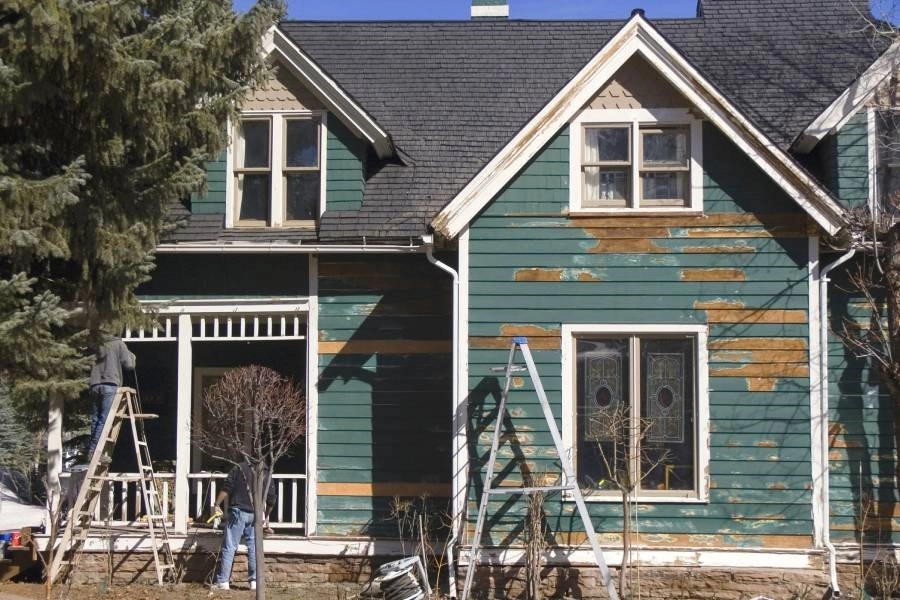
A house built before 1970 in Colorado needs nine checks on top of the general inspection: a sewer scope, the electrical panel brand, the wiring type, the supply pipe material, asbestos, lead paint, radon, the foundation on expansive clay and the windows. Each one is a known failure on a known era of construction, each has a test that costs $150 to $700, and each has a repair that costs $2,000 to $40,000. This is the list the Kenna Real Estate Group runs on every pre-1970 purchase from Pueblo to Fort Collins, with what each item costs to test and to fix.
Old homes on the Front Range earn the trouble: brick construction, 6,000 to 9,000 square foot lots, mature trees and no metro district tax. The advantages of older Denver homes post makes that case. This post is the other half: what to find before you close.
The Colorado Real Estate Commission's Contract to Buy and Sell sets an inspection objection deadline, an inspection resolution deadline and an inspection termination deadline. The Kenna Real Estate Group writes 7 to 10 days for the objection deadline on an old home, which is enough time for the general inspection, a sewer scope, a 48-hour radon test and one specialist visit. If the seller will not agree to a resolution by the resolution deadline, the buyer terminates and the earnest money comes back. Read making an offer on a Colorado home for the full deadline list.
Open the panel cover and read the label. Federal Pacific Electric Stab-Lok panels (installed through the 1980s) and Zinsco panels (1960s and 1970s) have breakers that fail to trip under overload. Most Colorado insurers decline or surcharge a home with either brand, and an inspector flags them on sight. Replacement with a 200-amp panel costs $2,500 to $4,500 in the Denver metro; add $500 to $1,500 if Xcel Energy has to upgrade the service drop. Also check for a panel with double-tapped breakers, no main disconnect or fewer than 100 amps of service, all common on 1950s ranches in Arvada, Lakewood and Aurora.
Knob-and-tube (pre-1950) is ungrounded two-wire cable on ceramic insulators. It is a fire hazard once blown-in attic insulation covers it, which happened in thousands of Denver bungalows during the energy rebates of the 1970s and 2000s. Insurers want it gone; a full rewire of a 1,500 square foot house runs $8,000 to $20,000.
Aluminum branch wiring (1965 to 1973) shows up in Littleton, Centennial, Thornton and Westminster homes of that era. The wire expands and loosens at outlets and switches, which arcs. The fix is not a rewire: an electrician installs COPALUM crimps or AlumiConn connectors at every device, $1,500 to $4,000 for a typical house. Ask the inspector to pull three outlet covers and report the wire color.
Homes built before the early 1960s ran their water supply in galvanized steel, which rusts shut from the inside over 50 to 70 years. The symptoms are low pressure on the second floor and brown water after a vacation. A repipe in PEX or copper costs $6,000 to $15,000 on a two-bath house, more if the walls are plaster. Check the main line from the meter too; Denver Water owns the line to the meter pit and the owner owns the rest.
Every home built before 1975 in the Denver metro needs a camera down the sewer line ($150 to $300). Clay tile lines crack and let in the roots of the silver maples and cottonwoods that make old blocks pretty; Orangeburg fiber pipe (1945 to 1972) collapses on its own. The owner is responsible for the line all the way to the tap at the city main. A spot repair runs $3,000 to $6,000; a full replacement runs $8,000 to $25,000, at the top of that range when the tap is under the street and the city requires a traffic plan. A failed scope is the single most common reason our buyers renegotiate a Denver purchase.
Any home built before 1980 is presumed to contain asbestos until sampled. The Colorado Department of Public Health and Environment regulates asbestos, and Colorado requires an inspection by a state-certified building inspector before renovation or demolition that disturbs more than the residential trigger levels: 50 linear feet on pipes, 32 square feet on other surfaces, or the volume of a 55-gallon drum. The usual locations:
Sampling costs $400 to $800. Leaving intact material alone is legal and common; the cost arrives the day you remodel.
Every home built before 1978 comes with a federal lead-based paint disclosure, the EPA pamphlet and a 10-day window for the buyer to test, all written into the Colorado contract. A 1950s ranch has lead paint on its window sashes, doors and exterior trim under later coats. Any contractor who disturbs painted surfaces in a pre-1978 home must be EPA RRP certified, which adds cost to window and siding projects. A lead inspection with an XRF analyzer costs $300 to $600; a risk assessment with dust wipes costs more. Intact paint is managed, not removed; friction surfaces such as double-hung sashes are where it fails.
The EPA action level is 4 picocuries per liter, and the Colorado Department of Public Health and Environment reports that about half of Colorado homes test above it. Old homes with rubble foundations, dirt crawl spaces and sump pits pull in more soil gas than a sealed slab. A 48-hour test costs $150 to $250; a mitigation system with a fan and a pipe through the roof costs $1,200 to $2,500. Ask for any prior test result; the Colorado Seller's Property Disclosure includes a radon question. The Denver radon guide covers how to run the test inside the deadline.
The Front Range sits on bentonite clay that swells when wet and shrinks when dry, and an 80-year-old foundation has been through 80 cycles of it. Look for stair-step cracks in brick, doors that stick in spring and swing open in fall, a floor that slopes toward one corner and gaps between the basement slab and the walls. A structural engineer's inspection and letter costs $400 to $700 and is worth it on any pre-1970 home with visible cracking. Repairs run from $2,000 for epoxy crack injection to $10,000 to $40,000 for helical or push piers. Grading and downspouts fix half the problems for under $2,000; the Denver foundation crack guide shows which cracks matter.
Original single-pane windows lose heat in January and let in UV at 5,280 feet in July. Replacing them with vinyl double-pane units costs $600 to $1,200 per window installed, $12,000 to $24,000 on a 20-window house. On a designated historic home the city requires wood or clad-wood and window restoration instead; see buying a historic Denver home. On a non-designated 1950s ranch, replacing them is the upgrade with the fastest payback in comfort, though not in dollars: the energy savings take 15 years or more to repay the cost. Treat windows as a negotiating item, not a reason to walk.
| Item | Era | Test cost | Fix cost |
|---|---|---|---|
| Sewer line | Pre-1975 | $150 to $300 | $8,000 to $25,000 full replacement |
| Federal Pacific or Zinsco panel | 1950 to 1985 | Included in inspection | $2,500 to $4,500 |
| Knob-and-tube wiring | Pre-1950 | Included in inspection | $8,000 to $20,000 rewire |
| Aluminum wiring | 1965 to 1973 | Included in inspection | $1,500 to $4,000 connectors |
| Galvanized pipe | Pre-1962 | Included in inspection | $6,000 to $15,000 repipe |
| Asbestos | Pre-1980 | $400 to $800 | $1,500 to $3,000 basement; $10 to $20 per sq ft ceilings |
| Lead paint | Pre-1978 | $300 to $600 | Managed in place; adds 10% to 20% to paint and window jobs |
| Radon | Any | $150 to $250 | $1,200 to $2,500 |
| Foundation on clay | Any | $400 to $700 engineer | $2,000 to $40,000 |
| Single-pane windows | Pre-1980 | None | $600 to $1,200 per window |
Add a roof check. Colorado's hail season runs May to September, and most carriers decline a roof older than 15 to 20 years; the Colorado roof report for buyers covers it.
Search by year built on homes for sale in Arvada, homes for sale in Lakewood and homes for sale in Littleton, or set the year-built filter on every home for sale in Colorado.
The Inspection Objection lists the items and asks for one of three things: the seller repairs before closing with a licensed contractor and a receipt, the seller credits the buyer's closing costs for the estimate, or the price drops. Sellers of old homes prefer credits because they close on time. Ask for the sewer line and the panel as repairs or credits every time; ask for cosmetic items never, because a seller who gets a 30-item list says no to all of it. The Denver inspection red flags post shows what sellers agree to fix.
If the house needs $20,000 or more of the work above, a renovation loan funds it at closing. Mike Oswald, VP of Mortgage Lending at Rate, NMLS 261003, Equal Housing Lender, writes FHA 203(k) and conventional renovation loans for Colorado buyers. You are free to use any lender. Start with the Colorado home financing guide.
The Kenna Real Estate Group, Keller Williams DTC, schedules the inspection, the sewer scope, the radon test and the engineer inside the objection window on every pre-1970 purchase in the Denver metro and along the Front Range, then negotiates the findings into repairs or credits. Call or text 303-955-4220. A live person answers. Not a robot, not a phone tree. Start now and search every home for sale in Colorado.
Questions about any home in Colorado? Call or text 303-955-4220. A live person answers.
Open the panel door and read the label: Federal Pacific Electric or FPE with Stab-Lok breakers, or Zinsco with colored breaker tabs. The inspector reports it, and replacement costs $2,500 to $4,500 in the Denver metro.
No. Aluminum branch wiring from 1965 to 1973 is corrected with COPALUM or AlumiConn connectors at every outlet and switch, $1,500 to $4,000 on a typical Littleton or Centennial home of that era.
$8,000 to $25,000 for a full replacement to the city tap, at the top of the range when the tap sits under the street. A spot repair runs $3,000 to $6,000. The scope that finds it costs $150 to $300.
No. Intact material is legal to leave in place. Budget $10 to $20 per square foot for certified removal when you remodel, and have it sampled ($400 to $800) before any ceiling work.
The Colorado Department of Public Health and Environment reports that about half of Colorado homes test above the EPA action level of 4 pCi/L. Test every home ($150 to $250) and budget $1,200 to $2,500 for mitigation.
Horizontal cracks, stair-step cracks in brick wider than a quarter inch, and cracks paired with sticking doors or sloping floors. Hairline vertical cracks in poured concrete are shrinkage. An engineer's letter costs $400 to $700.
You can ask; you will get less. Put the sewer line, the panel, the wiring and the foundation on the Inspection Objection as repairs or credits, and leave cosmetic items off.