New - 15 Mins Ago

.jpg)


Renting a dumpster for a Front Range renovation cuts down landfill trips, sorts recyclables in one place and keeps debris off the street where a Denver metro city code enforcement officer can cite it. It's one of the simplest ways a homeowner reduces the environmental footprint of a remodel while staying compliant with local rules.
A single dumpster rental replaces a dozen or more pickup-truck runs to the county landfill, cutting fuel use and vehicle emissions for the project. That matters most on the Front Range during ozone action days in late summer, when the region already asks drivers to cut unnecessary trips.
Choosing the right dumpster for your home renovation up front, sized for the actual scope of work, avoids paying for a second rental or overloading the first one past its weight limit.
Clean loads of wood, drywall, metal and concrete get diverted from the landfill through a construction and demolition recycling facility in the Denver metro rather than a standard transfer station. Ask the rental company whether they run mixed loads through a sorting facility or send everything straight to a landfill; the answer changes how much of your project's waste gets recycled.
Concrete and asphalt from a driveway or patio tear-out are the easiest materials to recycle in Colorado, since several Front Range recyclers grind and resell them as base material. Keep concrete debris in its own container when a project generates enough of it, since mixed loads with drywall or trash cost more to sort.
Metal is the other easy win: copper pipe, aluminum siding scraps and steel framing pulled from a renovation have scrap value on their own, separate from the dumpster rental. A handful of Front Range scrap yards pay cash for clean metal, so a homeowner doing a kitchen gut can set aside old appliances and pipe rather than tossing them in with drywall and insulation.
| Dumpster size | Typical project | Denver metro cost range |
|---|---|---|
| 10 yard | Single-room remodel, small cleanout | $300 to $450 |
| 20 yard | Kitchen or bathroom renovation | $400 to $600 |
| 30 yard | Whole-house renovation or roof tear-off | $500 to $750 |
Rates run higher in the mountains and lower on the plains east of Denver, and every quote should state the included weight limit and the per-ton overage charge separately.
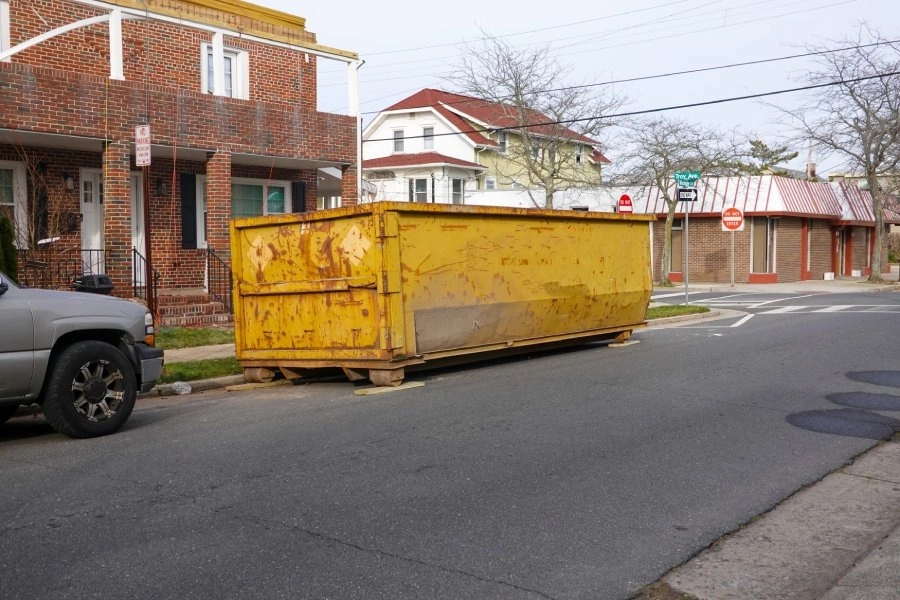
A dumpster parked entirely on a private driveway needs no permit in Denver, Aurora, Lakewood or Centennial. A dumpster placed on the street or in the public right-of-way needs an obstruction or right-of-way permit from the city, and the rules differ by jurisdiction — Denver's permit runs through Public Works, while Colorado Springs and Fort Collins each run their own process.
Call the rental company before you book; most Front Range dumpster companies handle the street permit application as part of the delivery service and know each city's current fee. Build the permit timeline into your renovation schedule, since some cities take three to five business days to issue an obstruction permit rather than same-day approval.
HOAs in Highlands Ranch, Castle Rock, Parker and other planned communities frequently limit how long a dumpster stays visible in a driveway, capping it at 14 to 30 days before a violation notice goes out. Check the community's covenants before booking, and ask the rental company for a firm pickup date rather than an open-ended window.
Metro districts layer on their own rules in newer Front Range subdivisions, separate from the HOA's design guidelines, so a homeowner in a metro-district community should check both sets of rules before a container shows up.
A dumpster is the fastest way to clear a garage, basement or unfinished attic before a Front Range listing photo shoot. Pair the cleanout with our guide to preparing and adding value before you sell, since a decluttered, repaired home photographs and shows better from the first open house.
If a home inspection turns up repair items during the inspection objection deadline, a short-term dumpster rental clears debris from roofing, flooring or drywall repairs fast enough to keep the closing timeline on track.
Landlords managing a Front Range rental commonly rent a dumpster between tenants to clear out abandoned furniture, damaged flooring or yard debris before the next move-in. Colorado's security deposit rules cap what a landlord holds at two months' rent under SB23-184, so document cleanout costs with photos and receipts if any of it gets deducted from a departing tenant's deposit.
A dumpster also speeds up the turnaround between a lease ending and a new listing going live, which matters most in the Denver metro's fastest-moving rental months, spring through late summer.
Homeowners in the wildland-urban interface west of Denver and near Colorado Springs use a rented dumpster to clear years of accumulated brush, dead branches and stored lumber as part of a defensible-space project. Green waste is billed differently than construction debris in most Front Range contracts, so tell the rental company what you're clearing before the container arrives.
Coordinate the pickup date with your county's wildfire mitigation program if one exists in your area; several Front Range counties run seasonal chipping or drop-off events that cost less than a dedicated green-waste dumpster for a small property.
A homeowner hauling debris in a pickup truck pays landfill tipping fees per load, plus fuel and the hours spent driving back and forth, and Denver-area landfills charge by the ton with a minimum fee per visit. Run the math on a mid-size remodel and a single dumpster rental almost always comes out ahead once you count six or eight separate truck trips at $30 to $60 each in tipping fees.
The environmental math tracks the cost math closely: fewer vehicle trips means less fuel burned and fewer miles on Front Range roads already carrying heavy summer construction traffic. A rented container parked for the length of the project also keeps debris contained instead of scattered across a truck bed and driveway between trips.
Whether you're prepping a Front Range home to list or clearing out a rental between tenants, we can tell you which cleanup projects actually move a Colorado sale price and which ones you can skip. Call or text 303-955-4220. A live person answers. Not a robot, not a phone tree. Ready to look at homes? Search every home for sale in Colorado.
Questions about any home in Colorado? Call or text 303-955-4220. A live person answers.
Not if it sits entirely on your private driveway. A dumpster placed on the street needs a right-of-way permit from Denver Public Works, and most rental companies handle that application for you.
Expect $400 to $600 for a typical kitchen or bathroom renovation project, including delivery, pickup and a set weight allowance.
Yes. Many Front Range HOAs cap how many days a dumpster can sit in a driveway, 14 to 30 days in most communities, before issuing a violation notice.
Paint, solvents, tires, batteries, refrigerant-containing appliances, electronics and asbestos-containing material all need separate disposal instead of a standard rental dumpster.
Yes. It's the fastest way to clear a garage, basement or attic cleanout before listing photos, and it can also clear debris from repairs made during the inspection objection period.
Clean concrete, asphalt, wood and metal are the easiest materials for a Denver metro recycler to process; ask your rental company whether mixed loads go through a sorting facility.
Yes. Homeowners in the wildland-urban interface near Denver and Colorado Springs commonly rent a dumpster for brush and dead-branch cleanup, but tell the company it's green waste since it's billed differently than construction debris.