.jpg)


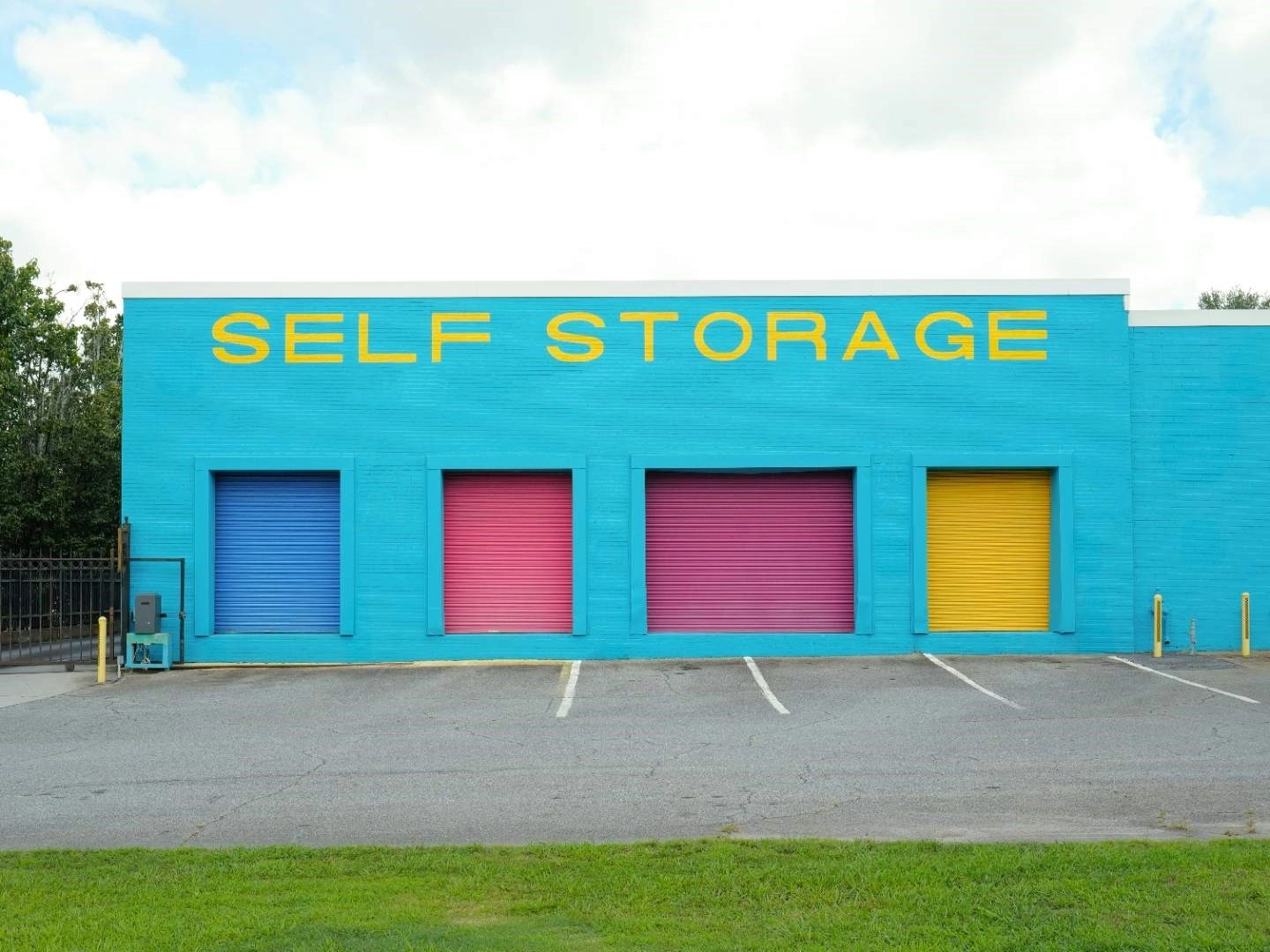
A Colorado commercial property with on-site storage solves a problem most small business owners run into within the first year or two: inventory, equipment and seasonal stock outgrow the retail floor, the service bay or the office long before the lease is up for renewal.
Why Storage Matters for a Growing Business
Effective inventory management gets harder every month a business grows without more physical space to work with. Local self-storage keeps inventory organized and traceable, which speeds up order fulfillment and keeps customers coming back. Businesses that liaise directly with local storage providers, such as Gypsum Colorado storage facilities, commonly find better rates and terms than a property owner who adds storage as an afterthought.
Seasonal Stock Without a Cluttered Sales Floor
Retailers along the Front Range carry seasonal inventory that does not need to sit on the sales floor year-round. Off-site or on-site self-storage holds that excess stock during slower months, keeping the primary business space clear for customers and current inventory rather than boxes.
Protecting Equipment and Inventory From Theft and Damage
A small office or retail space gives many people access to valuable equipment and stock, which makes theft and accidental damage harder to prevent. Dedicated storage units with restricted access and clear records make it possible to track loss or damage and hold the right party accountable, and many facilities allow remote monitoring for added peace of mind.
Storage as Part of a Lease Negotiation
Tenants leasing Front Range commercial space rarely think to negotiate storage terms up front, and it is one of the easier items to ask a landlord for, particularly in a building with unused basement, loading dock or back-lot space. A tenant that requests included storage during lease negotiation, rather than after signing, has a far stronger position to get it added at little or no extra cost than one trying to add it mid-lease.
Avoiding the Cost of a Second Office or Building
As a Denver metro or Colorado Springs business grows, many owners rent additional office or warehouse space to handle the overflow. A storage unit is a far more affordable way to handle that overflow during the early growth years, and it comes with more flexibility than a second lease, since a business can rent only the space and the term it actually needs.
What Does Commercial Storage Cost in the Denver Metro?
Self-storage pricing on the Front Range varies by unit size and location, but a small business handling overflow inventory pays somewhere between $75 and $300 a month for a mid-size unit, well below the cost of a second commercial lease. Facilities closer to Denver's core run higher than those farther out toward Aurora, Colorado Springs or the smaller Front Range towns.
Storage During a Commercial Renovation or Relocation
Commercial renovations need enough cleared space to work without damage and efficiently, and moving furniture, equipment and inventory into an on-site storage unit during the project keeps the space workable without shipping everything off-site. Property owners who already include storage units on a commercial building give tenants an easier renovation and relocation process than those who do not, which is a real selling point when the property is on the market.
What to Look for When Renting a Property With Storage
Read the lease carefully for exactly what storage is included: square footage, access hours, climate control if relevant to the inventory, and whether the storage space is billed separately from the main unit. As a small business owner evaluating a commercial lease, treat included storage as part of the total cost comparison against a property without it, not as a bonus that does not affect the decision.
Buying Versus Leasing a Commercial Property With Storage
For a business ready to build equity instead of paying rent indefinitely, buying a Front Range commercial property with built-in storage removes the recurring cost of a separate unit altogether. The Colorado real estate investing guide walks through what to check before buying commercial property, including how storage and flexible space factor into long-term value.
Does the Type of Business Change the Storage Decision?
A retailer with seasonal inventory swings has a different storage need than a service business storing tools and equipment or a professional office holding client records. Match the storage type and access frequency to how the business actually operates: inventory that turns over weekly needs easy, frequent access, while archived records or off-season equipment can sit in a lower-cost, less accessible unit without slowing the business down.
Where to Find Storage Near a Front Range Commercial Property
Self-storage facilities cluster along the same commercial corridors as retail and light-industrial space in the Denver metro, Aurora and Colorado Springs, which makes proximity less of a constraint than it once was. Checking whether a prospective commercial lease already includes on-site storage, versus needing a separate facility nearby, is worth doing before signing, since a property with built-in storage removes an entire line item from the monthly budget and the drive time from staff schedules.
What Size Storage Unit Fits a Small Retail or Service Business?
Most small Front Range retailers and service businesses start with a 5x10 or 10x10 unit for overflow inventory and seasonal stock, moving up to a 10x15 or 10x20 unit as the business grows into equipment storage or a larger product line. Renting slightly larger than the current need avoids the cost and disruption of switching units every few months as inventory expands.
| Unit size | Typical monthly cost, Front Range | Fits |
|---|---|---|
| 5x10 | $75 to $120 | Boxed inventory, seasonal stock |
| 10x10 | $120 to $190 | Furniture, small equipment, larger inventory runs |
| 10x20 | $200 to $320 | Vehicles, large equipment, full office overflow |
Does Front Range Weather Affect the Storage Unit You Choose?
Temperature-sensitive inventory, electronics or paper records hold up better in a climate-controlled unit, since an uninsulated metal unit swings from below freezing in a Front Range winter to well over 100 degrees in a closed summer unit. Climate control costs more per month but protects inventory that a temperature swing or humidity change would otherwise damage.
- Match the unit to the inventory type. Electronics, paper and specialty stock need climate control; boxed goods and equipment do not.
- Check access hours before signing. A business that restocks early or late needs a facility with hours that match its schedule.
- Confirm insurance coverage. Business insurance policies do not automatically cover items in an off-site storage unit; check the policy or the facility's own coverage.
- Keep an inventory log. A simple log of what is stored where speeds up both daily operations and any insurance claim.
Where to go next
- Colorado real estate investing guide
- Explore Denver commercial and residential markets
- Explore homes and property in Aurora
- Explore property in Colorado Springs
- Why Colorado commercial investors like prefabricated steel buildings
Talk to the Kenna Real Estate Group
The Kenna Real Estate Group works with Colorado business owners buying or leasing commercial property across the Front Range, including properties with built-in storage that cuts overhead. Call or text 303-955-4220. A live person answers. Not a robot, not a phone tree. Looking for a commercial property with the right storage setup? Search every home and property for sale in Colorado.
Homes for sale that match this post
Guides
Questions about any home in Colorado? Call or text 303-955-4220. A live person answers.