New - 1 Hour Ago

.jpg)


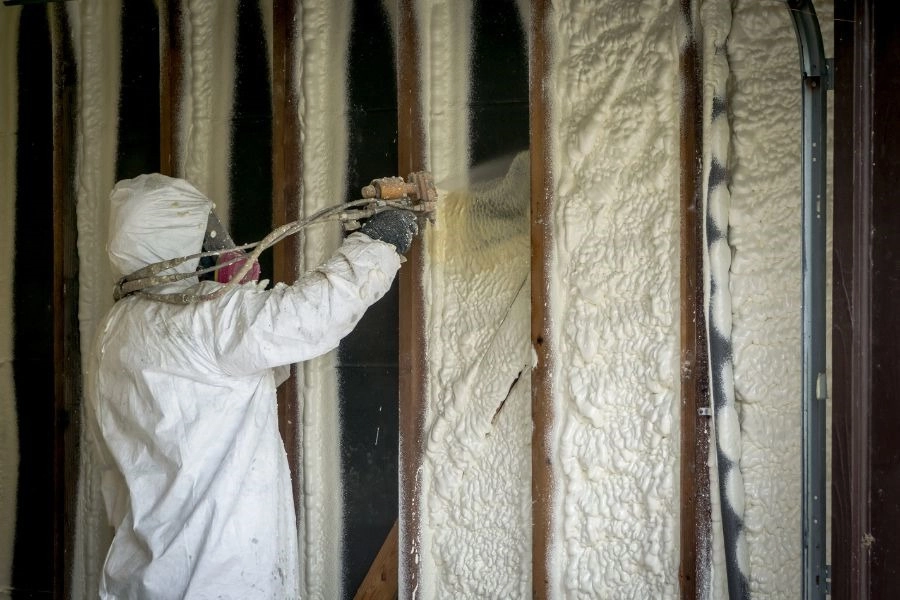
Spray foam insulation outperforms fiberglass in a Colorado attic or crawlspace because it expands to seal the gaps around framing, wiring, and plumbing penetrations that fiberglass batts simply lay over. The persistent myths about it, that it does not work as well, that it traps moisture, that it is not worth the cost, do not hold up against how the Front Range's climate actually stresses a home.
Yes, for air sealing specifically. Fiberglass batts slow heat transfer but leave gaps at every stud bay, outlet, and pipe penetration, and Colorado's dry, low-density air moves through those gaps easily. Spray foam expands to fill the gap completely, cutting drafts and infiltration that a fiberglass-only attic never fully stops, which matters more here given how far outdoor temperatures swing across a single day.
| Application | Area | Denver metro cost |
|---|---|---|
| Open-cell, attic | 1,500 sq ft | $3,000 to $5,500 |
| Closed-cell, attic | 1,500 sq ft | $5,500 to $9,500 |
| Crawlspace, closed-cell | 800 sq ft | $2,500 to $4,500 |
| Fiberglass batt, attic (for comparison) | 1,500 sq ft | $1,500 to $3,000 |
Closed-cell foam has a higher R-value per inch and adds structural rigidity, which fits Colorado's need for a strong air and moisture barrier in a crawlspace or rim joist. Open-cell foam costs less and works well in an attic where the extra rigidity is not needed, and it still air-seals far better than fiberglass alone.
Closed-cell foam acts as its own vapor barrier and, installed correctly with proper attic or crawlspace ventilation, does not trap moisture. Colorado's low humidity actually reduces the moisture-related risk that is more common in humid-climate spray foam installs; the real risk here is a roof leak going undetected because foam seals tight to the roof deck, which is why a moisture-monitoring plan matters more than the foam itself.
Yes. The air-sealing effect keeps a home's indoor temperature more stable through a day that swings from a 70°F afternoon to freezing overnight, reducing how hard the furnace or AC has to cycle to compensate. Homes with a fiberglass-only attic show a wider indoor temperature swing across the same day, since infiltration lets outside air movement affect the indoor temperature more directly.
Xcel Energy and other Colorado utilities offer home efficiency rebates that can apply to insulation upgrades, including spray foam, though the specific rebate amount and eligibility change from year to year. Check current program details directly with Xcel Energy or a certified insulation contractor before budgeting a rebate into the project cost, and see our Colorado home financing guide for how an efficiency upgrade can factor into a purchase or refinance.
Insulation itself is not a separate permitted item in most cases, but if the project is part of a larger renovation touching electrical, plumbing, or structural framing, that work needs its own permits regardless of the insulation type. A licensed insulation contractor will know which Front Range city's requirements apply to the specific scope of your project.
For most Colorado attics, yes, given the energy savings from stopping infiltration and the added comfort from a smaller indoor temperature swing. It costs more upfront than fiberglass, but a well-sealed attic reduces heating and cooling costs enough that many homeowners see the difference reflected in lower utility bills within the first year or two.
A professionally installed, well-documented spray foam job is a selling point on an energy-efficiency-minded Front Range listing, and buyers increasingly ask about insulation type and efficiency upgrades. Keep the contractor's documentation and any rebate paperwork; it is useful to hand to a buyer's agent during the inspection period.
Spray foam bonds to the surface it is applied to and is effectively permanent; removal means scraping or cutting it out, which is labor-intensive and not a routine repair. This is worth knowing before installing it in a space planned for future reconfiguration, like a crawlspace slated for later utility work.
Yes, the same air sealing that stops drafts also cuts down on smoke particulate working its way in through gaps around framing and penetrations during a Front Range smoke event. It is not a substitute for a HEPA air purifier during an active smoke event, but a well-sealed attic and rim joist reduce how much outdoor particulate reaches living space in the first place.
No, once it is fully cured. Spray foam off-gasses during application and for a short period after, which is why installers ventilate the home and set a re-entry time, commonly 24 hours, before anyone without protective equipment goes back into the treated space. After that cure period, it does not continue releasing the chemicals used during installation, and a professionally installed job that followed the manufacturer's cure and ventilation timeline has no ongoing exposure.
Closed-cell spray foam runs roughly R-6 to R-7 per inch and open-cell runs roughly R-3.5 to R-4 per inch, both well above fiberglass batting's R-3 to R-3.5 per inch. The bigger factor at altitude is not the material's R-value alone but the air sealing: a fiberglass attic with unsealed gaps performs well below its rated R-value in practice, while a sealed spray foam attic gets much closer to its rated performance because there is no infiltration undermining it.
A Front Range attic that reaches temperatures over 130°F in summer sun and drops well below freezing in winter puts extra stress on the seal between insulation and framing, and it is one more reason air sealing performance matters as much as the raw R-value number printed on the product label. Ask an installer for the actual tested R-value of the thickness they plan to spray, not just the per-inch number on the product sheet, so you know what you are paying for. A written scope that names the product, thickness, and coverage area protects you if a second contractor is ever brought in to evaluate the work, and it gives a future buyer's inspector something concrete to check against.
If you are weighing insulation upgrades before listing a Front Range home, or evaluating one on a home you are about to buy, the Kenna Real Estate Group can help you understand what documentation to ask for. Call or text 303-955-4220. A live person answers. Not a robot, not a phone tree. Or search every home for sale in Colorado to see homes with efficiency upgrades already in place.
Questions about any home in Colorado? Call or text 303-955-4220. A live person answers.
For air sealing, yes. Spray foam expands to fill gaps around framing and penetrations that fiberglass batts leave open, cutting drafts fiberglass alone does not stop.
$3,000 to $5,500 for open-cell attic insulation in a 1,500 sq ft attic, and $5,500 to $9,500 for closed-cell in the same space.
Closed-cell foam acts as its own vapor barrier and does not trap moisture when installed correctly. Colorado's low humidity reduces this risk compared to humid climates.
Rebate programs can apply to insulation upgrades including spray foam, but amounts and eligibility change year to year. Check current details with Xcel Energy or a certified contractor.
It bonds to the surface and is effectively permanent. Removal means scraping or cutting it out, which is labor-intensive, so plan ahead for spaces you plan to reconfigure later.
Not on its own in most cases, but if it is part of a renovation touching electrical, plumbing, or structural framing, that work needs its own permits regardless of insulation type.


