New - 12 Hours Ago
.jpg)


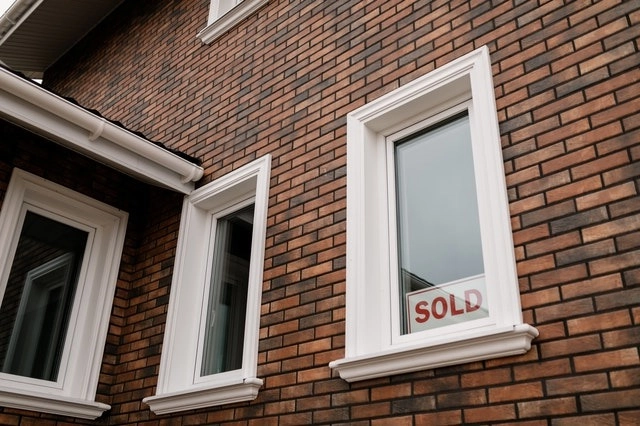
Before you move into a Colorado home, rekey every exterior lock, put the utilities in your name, test the smoke and carbon monoxide detectors, and confirm the roof and radon numbers before the truck shows up. Handle those items in the first 48 hours and the rest of move-in week gets easier.
You do not know how many copies of the old key are out there: past contractors, a previous tenant, a neighbor who watered plants. A locksmith rekeys a standard Front Range home for $150 to $300, or you can swap the cylinders yourself for $20 to $40 per door with a basic set of tools from a hardware store. Do this before the first night, not after, and rekey the garage entry door and any exterior gate lock along with the front and back doors.
While a locksmith is out, ask about a smart lock upgrade. Front Range buyers moving from a rental where they never held a spare key add a smart lock the same day so nobody has to track down a locksmith again for the next tenant or house sitter.
Xcel Energy handles electric and natural gas service across most of the Front Range. Water and sewer run through the local municipal provider or district instead of one statewide company: Denver Water serves the city and several suburbs, and most other cities and towns bill their own water separately. Call both at least five business days ahead so service does not lapse the day you arrive, and ask the seller or prior tenant for the account numbers so the transfer goes faster.
Internet and cable are the one utility that is entirely on you to set up. Front Range providers vary block by block, so check what actually reaches the address before move-in day rather than assuming the last resident's provider still serves it.
Colorado law requires a carbon monoxide alarm within 15 feet of every bedroom in a home with a fuel-fired appliance, a fireplace, or an attached garage. Press the test button on every unit and replace batteries the same day, even if the seller says they already did. Write the test date somewhere you will see it, since a battery that passed at closing can still be near the end of its life.
Older Front Range homes sometimes carry a mix of hardwired and battery-only units installed at different times. Confirm both types work, and add a unit to any bedroom that does not already have one.
Colorado sits high enough, with enough of the right rock and soil underneath, that elevated radon readings turn up in every county along the Front Range. A professional short-term test runs $150 to $250; a do-it-yourself kit runs $15 to $30 and mails to a lab. If the home tests above 4 picocuries per liter, a mitigation system installs for $800 to $1,500 and brings the number down.
A whole-home professional clean for an average Front Range house runs $200 to $450. Doing it before the boxes land means you are not moving furniture twice to clean underneath it.
Colorado hail season runs from late spring through September, and Front Range roofs take a beating from it. Walk the roofline from the ground, check the gutters for granule buildup, and photograph the condition on day one so you have a clean record if a claim comes up later.
New residents have 30 days from the date they establish Colorado residency to get a Colorado driver's license and register a vehicle here. Denver metro and northern Front Range counties run an emissions test as part of that registration process, so budget an extra stop before you head to the DMV.
File the change of address with USPS at least a week out, and update it directly with your bank, employer and insurer instead of waiting on mail forwarding to catch everything.
Many Front Range communities run through an HOA or a metro district that charges its own fees and sets its own truck and move-in rules, separate from anything the city requires. Ask the HOA management company or metro district office directly what a move-in day needs, including any truck reservation or refundable deposit.
Denver and its suburbs layer several taxing-district mill levies, including city, county and special-district charges, on top of the base property tax bill, and new-construction neighborhoods commonly carry an added metro district charge for infrastructure. Pull the actual number for your address before closing so nothing on the first bill surprises you.
Hail and wildfire exposure push Colorado premiums above the national number in a lot of ZIP codes. Get quotes lined up two to three weeks before closing so coverage starts the day you take possession, not the day after. If the address sits inside a mapped wildfire zone, ask the insurer directly whether that changes the quote or adds a defensible-space requirement before the policy binds.
Large parts of the Front Range sit on expansive bentonite clay soil that swells when it gets wet and shrinks when it dries out, which is why so many Colorado homes carry a foundation inspection clause in the purchase contract. Walk the crawlspace or basement on move-in day and note any new cracks so you have a baseline before the first freeze-thaw cycle of the season.
Front Range cities and CDOT spray magnesium chloride on roads and driveways ahead of winter storms to cut down on ice. It tracks into garages and entryways and eats at exposed metal and finishes over a season, so a washable mat at every entrance and a regular garage floor rinse protect the new floors longer.
| Task | When to do it | Typical Front Range cost |
|---|---|---|
| Rekey locks | Before first night | $150 - $300 |
| Radon test | Before or at closing | $15 - $250 |
| Radon mitigation (if needed) | Within 30 days | $800 - $1,500 |
| Deep clean | Before furniture arrives | $200 - $450 |
| CO/smoke alarm batteries | Move-in day | $10 - $30 |
| Driver's license and registration | Within 30 days | $50 - $100+ |
The Kenna Real Estate Group walks Front Range buyers through radon results, HOA paperwork and closing numbers before they ever touch a moving box, and points every client to the utility, permit and district offices that matter for their exact address. Call or text 303-955-4220. A live person answers. Not a robot, not a phone tree. Search every home for sale in Colorado at kennarealestate.com/homes.
More reading: Moving to Denver: a newcomer's guide, Radon and the Denver Home Purchase, and Weatherproofing Your Home for the Colorado Climate.
Questions about any home in Colorado? Call or text 303-955-4220. A live person answers.
Rekey every exterior lock before the first night. A locksmith charges $150 to $300 for a whole-home rekey on a standard Front Range house.
Xcel Energy provides electric and natural gas service across most of the Denver metro and northern Front Range. Water runs through a separate municipal provider or district.
Yes. Colorado law requires a carbon monoxide alarm within 15 feet of every bedroom in a home with a fuel-fired appliance, fireplace, or attached garage.
Yes. Front Range geology produces elevated radon readings in every county along the corridor. A short-term test costs $150 to $250 professionally or $15 to $30 for a mail-in kit.
30 days from the date residency is established, for both a driver's license and vehicle registration.
Colorado hail season runs from late spring through September. Photograph the roof condition the day you move in so you have a record before the first storm.
Many Front Range communities require a truck reservation or refundable deposit through the HOA or metro district office, separate from anything the city requires.