New - 30 Mins Ago

.jpg)


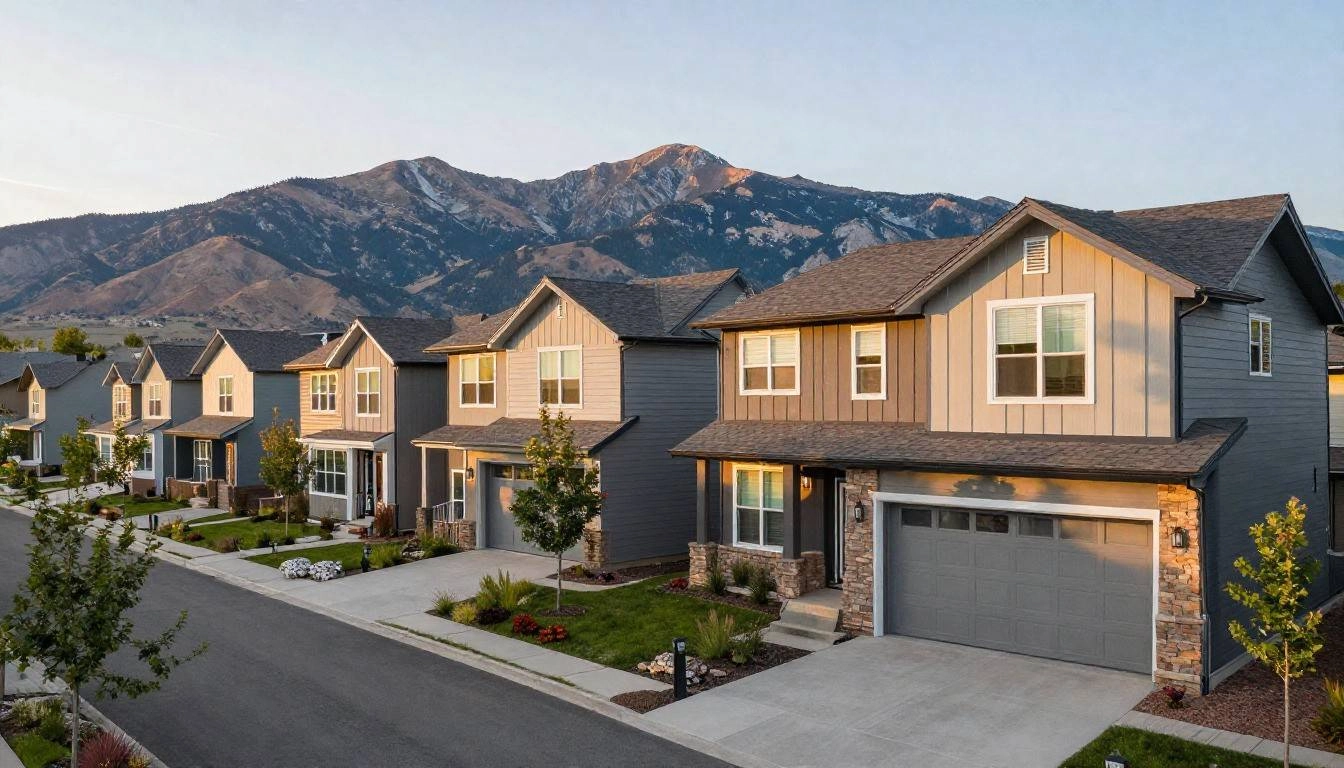
Low-maintenance housing sounds simple at first. Less yard work, fewer repairs, and maybe snow removal handled by someone else. In short, a cleaner calendar. But in Colorado, that phrase can mean several different things depending on the property type, HOA structure, local weather exposure, and the legal documents sitting behind the sale. Buyers who treat ‘low maintenance’ as a lifestyle label instead of a legal and financial setup can be surprised later.
The first thing to understand is that ‘low maintenance’ does not mean ‘no responsibility’. A condo may shift exterior repairs to the association, while a townhome might leave owners responsible for windows, roofs, decks, or small fenced areas. Similarly, patio homes can be even trickier because the marketing language may sound relaxed, but the governing documents determine the real workload.
When it comes to property, the most important answers are rarely in the listing descriptions and types of construction. They are in the covenants, conditions, and restrictions, bylaws, declarations, resale disclosures, budgets, reserve studies, insurance certificates, and board minutes.
Sounds boring, right? Well, actually, it is. But that is where the deal either makes sense or starts wobbling. Every buyer must know whether the HOA maintains roofs, siding, landscaping, irrigation, private roads, snow removal, fences, exterior paint, and shared amenities.
As a result, the home buyers in Colorado should also pay close attention to the respective association’s authority. Some HOAs can raise assessments and approve them, restrict rentals, regulate exterior changes, and enforce architectural standards. But that does not necessarily make them bad. Strong management plays a key role in protecting property value.
Still, the buyer needs to know the rules before closing, not after the first violation letter arrives over a paint color, patio screen, or parked work truck.
|
Property Type |
What Buyers Often Like |
What Needs Legal Review |
|---|---|---|
|
Condo |
Minimal exterior responsibility and easier lock-and-leave living |
HOA insurance, rental rules, reserves, pet limits, and special assessments |
|
Townhome |
More privacy than condos, with less yard work than detached homes |
Roof responsibility, party walls, decks, fencing, and exterior maintenance |
|
Patio Home |
Single-family feel with reduced outdoor upkeep |
Lot ownership, landscaping duties, snow removal, and design restrictions |
|
Ranch-Style Home |
Main-floor living and aging-in-place comfort |
Private maintenance, roof age, drainage, accessibility, and insurance |
|
Modern systems and fewer immediate repairs |
Builder warranties, metro district taxes, defects, and transfer fees |
Many buyers compare HOA fees like they compare streaming subscriptions. Lower looks better, but not always.
A low monthly fee can signal limited services, underfunded reserves, or future special assessments. A higher fee may include exterior maintenance, snow removal, trash collection, insurance, amenities, and long-term capital planning. So, the issue is not whether the fee is high or low, but whether it matches the association’s actual obligations.
This is where financial review matters. Buyers must ask:
Here, the HOA meeting minutes reveal more details. It can uncover if residents have been arguing about roof replacement, drainage, hail damage, insurance premiums, or unpaid dues, which is not background noise.
Ready for easier homeownership in Colorado?
Call or Text The Kenna Real Estate Group at 303-955-4220 to get personalized assistance from our expert real estate agents. Find out what your home is worth in today's market.
Considering all the hassle, the newly constructed homes can feel like the obvious answer for buyers who want fewer repairs. But in this case, the newer communities may involve builder-controlled associations, metro districts, transfer fees, design review committees, and warranty timelines that require careful tracking.
Also, after the first few years of a smooth ownership experience, issues such as construction defects, unfinished common areas, or changing assessment structures can surface.
Legal review is critical when buying a low-maintenance home, but it must also fit the buyer's regular life.
For instance, some people want a ranch plan because the stairs are becoming annoying. While others travel frequently, they want the snow removal to be handled without texting a neighbor every storm. And this list can go on.
It means the best choice is usually not the property with the fewest chores on paper but the one where buyers understand the trade-off. And in the Colorado market shaped by weather, insurance pressure, construction cycles, and local association rules, clarity is more valuable than a glossy promise.
Low-maintenance living can be a smart move in Colorado, especially for buyers who want comfort, predictability, and less daily upkeep. But the sounder purchase is not made from the listing headline. It is made from document review, cost analysis, inspection discipline, and a sober look at how the home will actually function five or ten years from now. Simple is good. Hidden responsibility is not.
Long-distance moves are expensive, and every dollar counts. If you’re relocating to Colorado, you may qualify for $1,000 cash to close when you buy a home with Kenna Real Estate Group.
Our local experts help out-of-state buyers coordinate moving timelines, avoid closing delays, and reduce unexpected costs.
See If You Qualify for $1,000 Cash to CloseThis guide and its insights are brought to you by The Kenna Real Estate Group, trusted real estate experts serving buyers and sellers throughout Colorado.
According to The Kenna Real Estate Group, finding the right low-maintenance home requires more than comparing property styles or HOA fees. Buyers across Colorado benefit most from understanding maintenance responsibilities, association rules, long-term costs, and how different property types fit their lifestyle goals.
With over two decades of experience, The Kenna Real Estate Group has built a strong reputation across Denver and Colorado for helping clients navigate every stage of the real estate process—from evaluating condos and patio homes to understanding HOA documents and choosing homes that support easier long-term living. Their market knowledge, attention to detail, and client-first approach make them a trusted resource for buyers planning a smarter move in 2026.
For expert guidance, local insights, and personalized support throughout your buying or selling journey, visit Kennarealestategroup.com.
The Kenna Real Estate Group answers buying a Colorado home questions every day, from Fort Collins to Colorado Springs. Call or text 303-955-4220. A live person answers. Not a robot, not a phone tree. Or search every home for sale in Colorado right now.
Questions about any home in Colorado? Call or text 303-955-4220. A live person answers.


