.jpg)


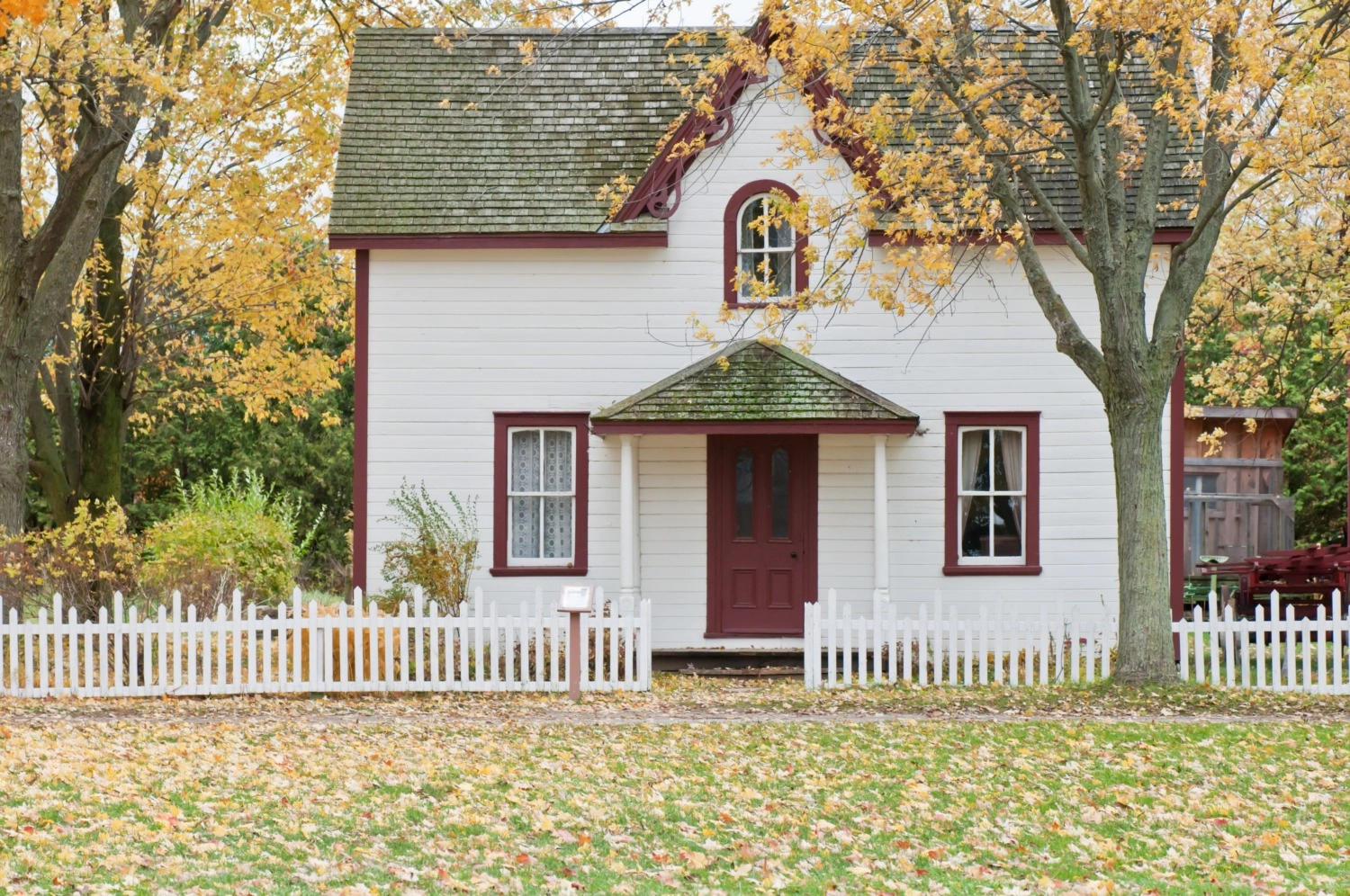
A low-maintenance, drought-tolerant garden appeals to Front Range buyers because it signals a lower water bill and less weekend upkeep, not because it looks sparse. The buyers who skip a high-maintenance yard during a showing are reacting to the time commitment in most cases, not the plants themselves.
Why Low-Maintenance Landscaping Sells on the Front Range
A home's yard is one of the first things a buyer evaluates on a showing, and a labor-intensive garden reads as an ongoing cost to a buyer who does not want a second job mowing, trimming and watering. A well-designed low-maintenance yard, with the same clean lines and seasonal color, appeals to a wider range of buyers than a high-effort landscape that only a gardening enthusiast wants to take on. This holds across price points, from a Lakewood starter home to a Cherry Creek estate, because the underlying concern is the same: how many weekend hours does this yard demand.
What Xeriscaping Actually Means in Denver
Xeriscaping is landscape design built around plants suited to Colorado's semi-arid climate, efficient drip irrigation, and mulch that holds soil moisture, not simply gravel and cactus. A well-planned xeriscape keeps color and texture through the growing season while cutting outdoor water use by roughly half compared with a full Kentucky bluegrass lawn.
Denver Water Rules and Summer Watering Restrictions
Denver Water and most other Front Range utilities limit outdoor watering to specific days and hours during the summer, and some years bring tighter restrictions during drought. A garden built around native and adapted plants needs far less supplemental water to stay healthy through those restrictions than a lawn does, which matters both for the water bill and for keeping the yard presentable during a watering-restricted stretch of a listing period.
Ground Cover Instead of Grass
Replacing sections of lawn with ground cover cuts mowing and watering while still filling the space with green. Options suited to Front Range conditions include creeping thyme, native grasses and low-growing sedum, several of which need no mowing at all once established. Reusing grass clippings and leaf litter as mulch on remaining lawn areas returns nutrients to the soil and cuts down on yard waste.
Plants That Need Little Care at 5,280 Feet
Choose plants native to the Front Range or the broader Rocky Mountain region, since they are already adapted to the intense UV, low humidity and clay soil found across the metro. Rabbitbrush, blue grama grass, penstemon and yarrow all establish with minimal water once their root systems are in. See 6 low-maintenance plants perfect for Denver gardening for a fuller plant list suited to the climate.
Lawn Aeration and a Shorter Growing Season
The Front Range growing season is shorter than in milder climates, running roughly from the last spring frost to the first fall frost, so any lawn that remains benefits from aeration once a year to loosen compacted clay soil and let water and nutrients reach the roots more efficiently in that compressed window. Aeration in fall, ahead of winter dormancy, sets the lawn up for a stronger spring green-up with less watering. A core aerator rents for $40 to $80 a day at most Front Range equipment rental yards, or a lawn service will run the pass for $75 to $150 depending on lot size.
Mulch: The Cheapest Maintenance Reducer
A 2 to 3 inch layer of mulch over garden beds holds soil moisture, blocks weed growth and moderates soil temperature swings, which matter more at altitude where daytime and nighttime temperatures shift sharply even in summer. Organic mulch also breaks down over a season or two and improves clay soil structure, which helps every plant in the bed use water more efficiently. Refresh it once a year, in spring, to keep the weed-blocking layer intact through the growing season.
What Xeriscaping Costs in the Denver Metro
| Project | Typical cost |
|---|---|
| Full xeriscape conversion, average front yard | $3 to $12 per square foot |
| Drip irrigation retrofit | $1,500 to $4,000 |
| Mulch and ground cover install (per bed) | $300 to $1,200 |
HOA Rules on Xeriscaping
Front Range HOA policy on xeriscaping has shifted; many communities now count drought-tolerant beds toward landscaping requirements instead of citing owners for reduced turf, and some publish an approved plant list. A full lawn-to-xeriscape conversion still commonly needs design review, so check the covenants and get approval in writing before removing grass. Review xeriscaped homes in Colorado: a buyer's guide for how this plays out neighborhood by neighborhood.
Does a Low-Maintenance Yard Add Resale Value
A yard that looks intentional, not neglected, and needs limited upkeep appeals to the broadest pool of Front Range buyers, from first-time buyers with little landscaping experience to downsizers who do not want yard work. See xeriscaped homes for sale in Denver metro to see how these yards show in real listings.
Timing a Landscape Change Around a Sale
A xeriscape conversion needs a full growing season to fill in and look established rather than newly installed. Plan the project for spring so plants have a summer to root before fall photos and showings, and keep before-and-after documentation plus any HOA approval paperwork to hand to a buyer's agent if questions come up during the inspection period.
Where to go next
- Preparing and adding value before selling a Colorado home
- Pricing your Colorado home to sell
- Seasonal gardening in Denver
- 8 curb appeal fixes for Front Range sellers
- Search every home for sale in Colorado
- Kenna Real Estate Group agents
Talk to the Kenna Real Estate Group
Thinking about a lower-maintenance yard before you list on the Front Range? Call or text 303-955-4220. A live person answers. Not a robot, not a phone tree. Ready to see what is on the market? Search every home for sale in Colorado.