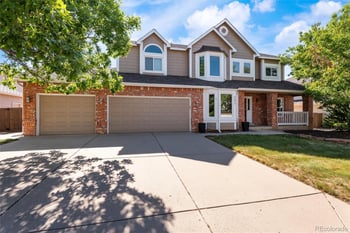
$880,000
Pending
4
Beds
4
Baths
3569
Sqft
0.16
Acres
9635 Cherryvale Dr, Highlands Ranch, CO 80126
MLS#: REC4542207
.jpg)



Geese leave a Front Range rental property in two ways: with a change to the habitat they land on, or not at all. Mylar tape, decoys and a single motion sprinkler rarely hold past the first week. What works is removing the reasons geese pick that lawn in the first place, paired with a deterrent routine a property manager or landlord keeps up through nesting season, and knowing which moves need a state or federal permit before you touch a nest or an egg.
Canada geese are drawn to short mowed turf next to open water with a clear sightline, which describes most retention ponds, golf course edges and greenbelt trails from Broomfield to Highlands Ranch to Green Valley Ranch. A goose wants to see a predator coming from every direction before it lands, so a manicured lawn that runs right to the water's edge is close to an invitation. Add a metro district or HOA that fertilizes and irrigates that turf, and the grass is more nutritious than the wild grass along a natural shoreline, which keeps a flock coming back year after year to the same rental block.
No, not without a permit. Canada geese are protected under the federal Migratory Bird Treaty Act, and in Colorado, Colorado Parks and Wildlife enforces the state side of that protection. A landlord, tenant or property manager cannot legally kill, harass to the point of injury, relocate, or destroy an active nest or eggs on their own. Egg addling or oiling, the method wildlife agencies use to keep a flock from growing, requires a federal U.S. Fish and Wildlife Service permit and is normally done through a Colorado Parks and Wildlife-authorized contractor, not a resident with a ladder. Handling geese without the right paperwork exposes the landlord to a federal citation, so any abatement plan beyond noise and visual deterrents belongs to a licensed wildlife control company.
The deterrents that work in Colorado combine sightline changes with unpredictable motion, and they lose effectiveness the moment geese learn the routine is not a real threat.
A single visit from a licensed wildlife control company, covering an inspection and a first round of harassment and habitat changes, runs $150 to $400. A seasonal contract that covers nesting season through the summer molt, from March through August, runs $1,000 to $4,000 depending on lot size and whether it includes a trained dog crew. For a single landlord with one rental on a shared pond, the more cost-effective route is petitioning the HOA or metro district to add goose abatement to the amenity budget, since the pond itself is the draw and the fix works best applied to the whole shoreline, not one yard.
Check the covenants before spending a dollar. In most Front Range communities built around a retention pond or greenbelt, the pond and the turf around it belong to the HOA or a metro district, not the individual lot owner, which means the landlord cannot legally install fencing, grid wire or landscaping changes at the shoreline without approval. A landlord's strongest lever is the HOA meeting: bring a comparison of abatement costs against the number of units affected, since a shared seasonal dog-herding contract nearly always costs less per unit than five owners each fighting geese on their own.
Colorado's warranty of habitability, C.R.S. 38-12-503, covers a rental's structural, mechanical, plumbing and heating systems and conditions that pose a health hazard inside the unit. A goose problem on the lawn does not fall under that statute, so a tenant cannot use it to withhold rent or force an early lease termination the way a broken furnace lets them. A landlord should not ignore it anyway: droppings on a patio or walkway are a slip hazard and a recurring cleanup cost, and an unaddressed goose problem shows up in tenant satisfaction surveys and non-renewal notices even when it never becomes a legal issue.
Nesting runs from March through June, when geese are territorial and act aggressively toward anyone who walks near a nest. Late June through July is the molt, when adult geese lose their flight feathers for four to six weeks and cannot fly away from a mowed lawn, which is when droppings and grazing damage peak. By August, flocks are mobile again and start moving toward harvested fields and larger reservoirs, so a deterrent push timed for April through July does the most good for the least cost.
A resident flock concentrates droppings into the same retention pond that a metro district uses for stormwater management, and heavy goose traffic is a documented contributor to elevated bacteria counts in shallow urban ponds. That is a second reason to bring the issue to the HOA or metro district rather than treat it as a single-yard problem: the pond's water quality testing and the goose population are connected, and a metro district budget line for a herding-dog contract or shoreline regrading addresses both at once.
Set expectations before move-in rather than after the first complaint. A short line in the lease or welcome packet, noting that the property sits near a retention pond with seasonal waterfowl and that the landlord or HOA runs deterrent measures each spring, heads off a surprise call once nesting season starts. Pair that with a clear point of contact, the landlord for yard-level issues and the HOA or metro district for pond-level ones, so a tenant is not left guessing who to call.
A pond view still adds value to a Front Range listing, but an unmanaged goose problem shows up as droppings across a patio in listing photos and during showings, and buyers and prospective tenants notice. A property with a documented, working abatement plan keeps the pond as an amenity instead of a liability, which matters both for the rent a landlord can ask and for how a home near open water shows when it goes up for sale.
The Kenna Real Estate Group helps Front Range landlords weigh a pond-adjacent rental's upside against its upkeep, from HOA dues to seasonal wildlife costs, before you buy or list. Call or text 303-955-4220. A live person answers. Not a robot, not a phone tree. Or search every home for sale in Colorado to compare rental properties near open water across the metro.
Questions about any home in Colorado? Call or text 303-955-4220. A live person answers.
Yes, non-lethal harassment like motion sprinklers, decoys and noise is legal without a permit. Killing a goose, destroying a nest or handling eggs requires a federal permit and is normally done by a licensed wildlife control contractor.
A seasonal contract covering March through August, with a trained herding dog crew included in many contracts, runs $1,000 to $4,000 depending on shoreline length. A single-visit inspection and first treatment runs $150 to $400.
The HOA or metro district that owns the pond, not the individual landlord, in most covenant-controlled Front Range communities. Check your covenants before installing fencing or grid wire at the shoreline.
No. Colorado's warranty of habitability under C.R.S. 38-12-503 covers structural, plumbing, heating and health-hazard conditions inside the unit, not wildlife on the lawn.
Late June through July, during the molt, when adult geese cannot fly and graze the same lawn daily. Nesting from March through June is when geese are most territorial.
Yes. A 12- to 18-inch buffer of grass at the water's edge blocks the open sightline geese need before they land, and it is the lowest-cost fix a Colorado HOA or metro district can make.
Yes. Canada geese and their nests and eggs are protected under the federal Migratory Bird Treaty Act, and removal requires a U.S. Fish and Wildlife Service permit, obtained through a Colorado Parks and Wildlife-authorized contractor rather than handled directly by a resident.
An unmanaged goose problem shows up in listing photos and showings and can slow a sale or lease-up near open water. A property with a working, documented abatement plan keeps the pond as an amenity instead of a liability.