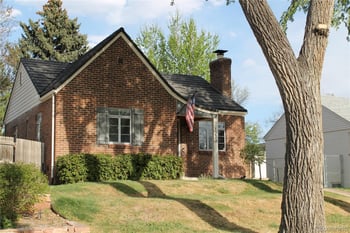
$700,000
Active Under Contract
3
Beds
2
Baths
1823
Sqft
0.14
Acres
1230 Magnolia St, Denver, CO 80220
MLS#: REC8708334
.jpg)


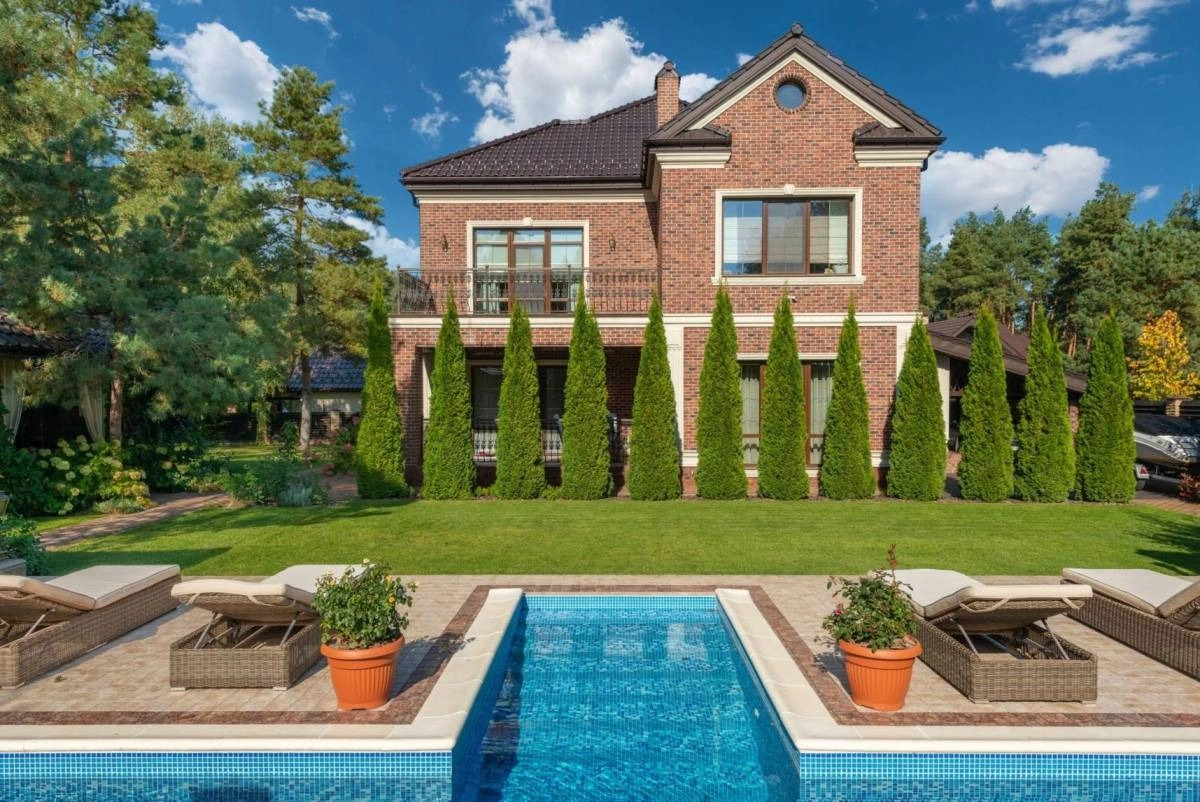
A new-build lot on the Front Range starts as compacted subsoil with a thin layer of topsoil, a builder-cut drainage swale, and an HOA deadline for when landscaping needs to go in. Planning the yard around those three facts, instead of around a magazine layout, saves both money and a redo a year or two later.
Most new-construction communities on the Front Range require front-yard landscaping within a set window after closing, commonly 6 to 12 months, under HOA or metro-district covenants. Missing that deadline can trigger a fine or an installation the community completes and bills back to the owner, so read the covenant package at closing rather than after move-in.
Construction traffic compacts subsoil, and builders frequently strip or thin the original topsoil during grading, leaving a shallow, compacted layer that struggles to support anything beyond builder-grade sod. Amend new-build soil with compost and break up compaction before installing beds, trees, or a lawn meant to last.
Starting with a water-wise plan avoids the cost of tearing out an underperforming lawn later. Colorado's HB22-1151 (2022) protects a homeowner's right to install drought-tolerant, water-wise landscaping instead of turf, even inside a new-construction HOA, though the HOA can still require design review for plant selection and layout.
Builders grade new lots with swales that carry water away from the foundation, and a landscaping plan that blocks or redirects that swale, even with something as simple as a raised planting bed, can send water back toward the house. Verify the grading plan before adding hardscape, retaining walls, or beds near the foundation.
Late frosts reach into the spring across much of the Front Range, and a compressed growing season means new plantings need to establish quickly before summer heat and UV at altitude stress them. Plant trees and shrubs as early in the recommended planting window as the local frost forecast allows, and mulch new beds to hold moisture while roots establish.
Skip ash species given the spread of emerald ash borer through Front Range communities since 2013. Hackberry, Kentucky coffeetree, and bur oak tolerate the region's expansive clay soil and short growing season, and they avoid the treatment and removal costs many cities now require for infested ash trees.
A new-build owner adding a fence, deck, retaining wall, or pool after closing still needs city or county permits and HOA architectural review, the same as an established home. Denver, Aurora, Lakewood, Littleton, and Colorado Springs each set their own permit thresholds, so confirm requirements before ordering materials. Buyers still comparing communities can browse moving to Denver and the broader Colorado home buyer's guide for a fuller picture of what a new-construction purchase involves start to finish.
A basic sod front yard runs roughly $1 to $2 per square foot installed; a full xeriscape conversion with hardscape, native plants, and mulch runs higher up front, roughly $4,000 to $12,000 for a typical Denver metro lot, but costs less to maintain over time given the region's water rates and short growing season.
A new-build owner rarely has the budget to do everything at once. This order reflects what protects the home and satisfies HOA deadlines first.
| Priority | Why it comes first | Typical cost |
|---|---|---|
| Confirm and protect drainage swales | Prevents water damage to the foundation; nearly free if grading is untouched | $0 to $500 to verify with a grading check |
| Front-yard landscaping to meet the HOA deadline | Avoids fines or a billed-back HOA installation | $3,000 to $10,000 depending on scope |
| Soil amendment for beds and lawn areas | Compacted subsoil won't support long-term plant health without it | $500 to $2,000 |
| Backyard fence, if not builder-installed | Needed before pets, play equipment, or full backyard use | $25 to $45 per linear foot |
| Trees | Slowest to establish; earliest planting gives the most years of growth | $150 to $600 per tree installed |
Many Front Range builders warranty grading and drainage for a limited period after closing, so document any standing water or erosion early and report it before that window closes. Changes a homeowner makes to the yard, including new beds, hardscape, or a shed, can void that warranty coverage if they alter the original drainage plan.
A phased plan, front-yard landscaping first to meet the HOA deadline, backyard beds and trees the following season, spreads cost across two budget cycles without leaving the lot bare past the covenant deadline. Ask for the printable new-build yard checklist in the form below and the Kenna Real Estate Group emails it the same day.
A home that started with a water-wise, well-maintained yard plan shows better at resale years down the line than one where a rushed, builder-grade lawn struggled and was patched repeatedly. Mature native plantings and a documented irrigation and drainage history give a future buyer confidence the yard was designed for Colorado, not just seeded and left alone.
The Kenna Real Estate Group works with Front Range new-construction buyers on what to budget for a yard after closing and which HOA landscaping deadlines to watch. Call or text 303-955-4220. A live person answers. Not a robot, not a phone tree. Search every home for sale in Colorado, including new-construction listings across the Front Range.
Questions about any home in Colorado? Call or text 303-955-4220. A live person answers.
Many new-construction HOAs and metro districts set a window, commonly 6 to 12 months from closing, to install front-yard landscaping that meets a minimum standard. Read the covenants at closing, since a missed deadline can trigger a fine or an HOA-completed installation billed back to the owner.
Construction equipment compacts the subsoil, and builders strip or thin the topsoil layer during grading on most projects. A new-build lot on the Front Range needs soil amendment in nearly every case before anything beyond builder-grade sod will thrive.
Either works, but a water-wise design from day one avoids the cost of ripping out an underperforming lawn later. Colorado's HB22-1151 protects a homeowner's right to install xeriscaping instead of turf, even in a new-construction HOA.
Builders grade lots with swales designed to move water away from the foundation; verify that grading is intact before adding beds, raised planters, or hardscape that blocks or redirects that drainage.
Avoid ash species given the spread of emerald ash borer since it was confirmed in Boulder in 2013. Hackberry, Kentucky coffeetree, and bur oak handle the region's clay soil and short growing season without that risk.
Both cover similar ground, minimum landscaping standards, approved plant lists, and deadlines after closing, but a metro district can also levy a separate property tax for shared open space and irrigation systems, so check which one governs a specific new-build lot.
Most new-build lots have only a few inches of amended topsoil left over compacted subsoil after grading equipment finishes, which is why most new-build yards need a compost or soil amendment pass before planting beyond builder-grade sod.