.jpg)


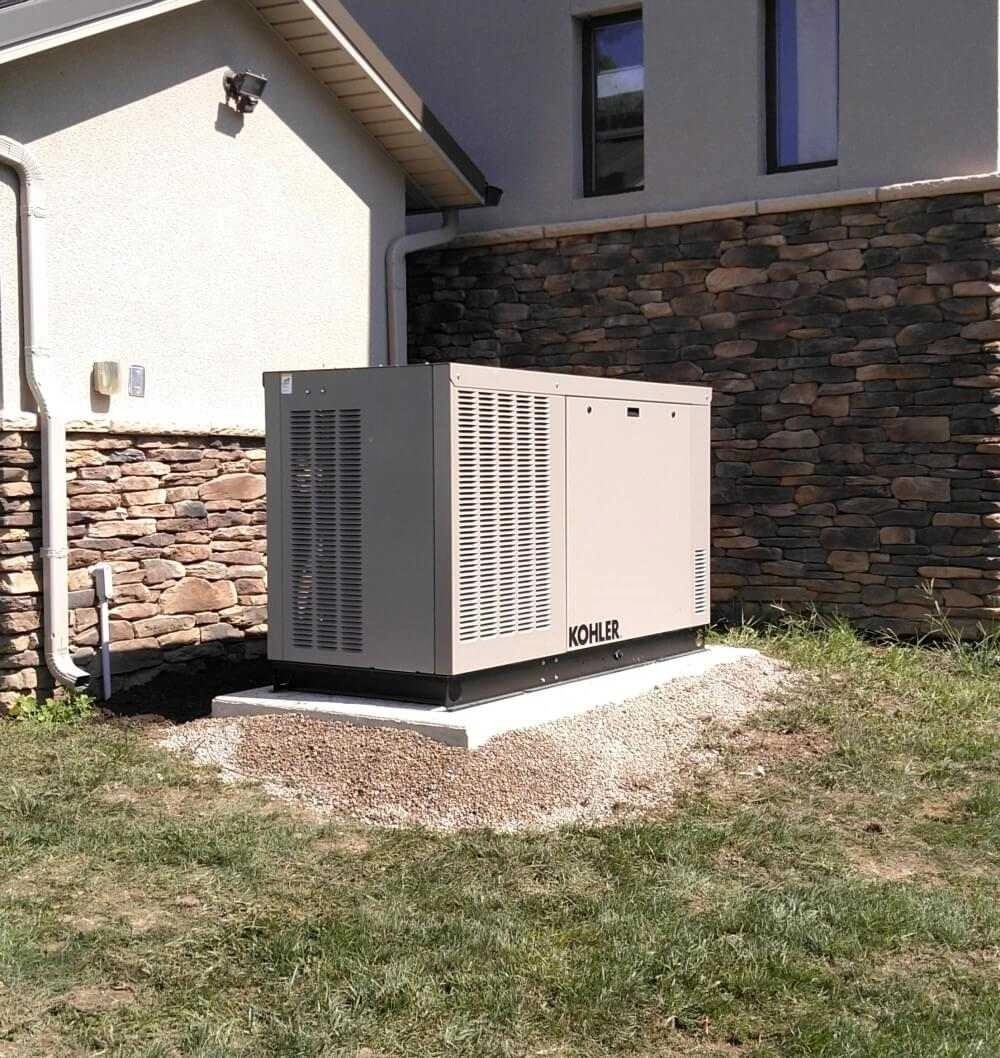
A whole-house generator makes sense for a Front Range home when winter storms, hail season thunderstorms or wildfire-related shutoffs put Xcel Energy's grid under real strain, and the right size for a Denver metro home runs larger on paper than the same home would need at sea level. Altitude, fuel access and city permitting all change the math before you ever compare Kohler models.
Why Front Range Homes Are Buying Standby Generators
Xcel Energy serves most of the Denver metro, and outages cluster around two Colorado seasons: heavy, wet snow that snaps branches onto lines from November through March, and hail season thunderstorms from spring through September that bring high wind gusts and lightning strikes. Xcel has also used preventive power shutoffs in extreme fire-weather conditions along the foothills, which can take a neighborhood offline for a full day with little notice.
A permanently installed generator sits outside like an AC condenser, ties into the home's electrical panel and natural gas or propane line, and starts on its own within seconds of a utility outage. Finding Kohler whole house generators online is the easy part; sizing one correctly for a specific Front Range home, fuel source and altitude is where most homeowners need help.
How Denver's Altitude Derates a Generator
Engine-driven generators lose output as elevation climbs, because thinner air means less oxygen per combustion cycle. The rule of thumb manufacturers use is roughly a 3% to 4% power loss for every 1,000 feet above sea level once you clear about 500 feet. Denver sits at 5,280 feet, Colorado Springs at about 6,035 feet, and mountain-adjacent towns like Evergreen or Conifer sit well above both. That works out to a realistic derating of 15% to 20% off a generator's sea-level rating for most Front Range addresses, and more for homes higher in the foothills.
Practically, that means a Front Range home that would need a 20-kilowatt unit at sea level should plan on a 24-kilowatt or larger Kohler model to run the same circuits reliably at altitude, especially once summer heat adds air conditioning load to the calculation.
Sizing a Generator: What It Needs to Run
Homeowners fall into two groups: those who want essential-circuit backup, and those who want the whole panel to keep running like nothing happened. Essential circuits cover the furnace blower, sump pump, refrigerator, well pump if the home has one, and enough lighting and outlets to function. Whole-house coverage adds central air conditioning, the range, and every outlet in the home.
| Home size / need | Sea-level size guide | Denver-metro altitude-adjusted size |
|---|---|---|
| Essential circuits, 1,500-2,200 sq ft | 10-14 kW | 13-17 kW |
| Whole home, 2,200-3,200 sq ft, gas furnace | 18-22 kW | 22-26 kW |
| Whole home with central AC and well pump | 24-30 kW | 28-36 kW |
These are planning ranges, not a substitute for a load calculation. An installer should run an actual load study on the home's panel before you order a specific size.
Natural Gas or Propane on the Front Range
Most Denver, Aurora, Lakewood and Centennial homes already have a natural gas line from Xcel Energy or a local provider, which makes natural gas the simpler choice: no on-site fuel tank, no refueling, and a supply that keeps running unless the gas utility itself has a separate outage. Homes on the edge of the metro, in unincorporated El Paso County, or up in the foothills without gas service run on a buried or above-ground propane tank sized for several days of continuous operation.
Propane is also worth considering as a backup even for gas-connected homes in wildfire-prone foothill areas, where gas service itself faces a higher chance of a precautionary shutoff than city-core Denver.
Permits, Setbacks and Noise Rules by City
Every Front Range city treats a standby generator as an electrical and mechanical installation that needs a permit and inspection, not a DIY weekend project. Denver requires an electrical permit and, in most cases, a mechanical permit for the gas or propane connection; Aurora, Lakewood, Centennial and Colorado Springs each run their own permit process through their building departments, and timelines vary by a few weeks depending on inspector availability.
Most cities also set a minimum setback from property lines, windows and doors, commonly in the 5-foot range, plus manufacturer clearance requirements for ventilation. If the home sits in an HOA or metro district, check the covenants before you order equipment: many Front Range HOAs review generator placement and screening the same way they review AC condensers, and some require the unit to sit behind fencing or landscaping so it isn't visible from the street.
What a Whole-House Generator Costs to Install in Colorado
Equipment and installation together run $8,000 to $16,000 for most mid-size homes on the Front Range, with the range driven by generator size, whether a new gas line or propane tank is needed, panel upgrades, and permit fees that vary by city. Homes needing whole-panel coverage with a larger unit and a transfer switch upgrade can run higher. Get at least two quotes from licensed electricians who pull permits in your specific city, since a quote that skips permitting isn't a real comparison.
Comparing Generator Features
- Load management technology: lets a smaller generator run large loads like central AC without dropping power to critical circuits, which matters more at altitude where output is already reduced.
- Automatic transfer switch: detects the outage and starts the generator within seconds, rather than requiring a homeowner to start it manually during a storm.
- Corrosion-resistant enclosure: holds up to Front Range hail, UV exposure at elevation, and winter mag chloride overspray if the unit sits near a driveway or street.
- Sound rating: matters for HOA approval and for neighbors in denser subdivisions like those in Highlands Ranch or Stapleton-area Denver.
Maintenance and Warranty in Colorado's Climate
Standby generators need an annual service visit to check the battery, oil, air filter and block heater performance, plus a self-test the unit runs on its own every week or two. Colorado's temperature swings, from summer heat to sub-zero winter cold snaps, make the block heater and battery two of the first components to fail without regular checks. Most Kohler units carry a manufacturer warranty of five years or longer; ask the installer in writing what's covered and what voids it, the same way you'd check the paperwork on any major appliances purchase.
Does a Generator Add Resale Value?
A properly permitted, professionally installed standby generator is a selling point on the Front Range, particularly for buyers who have lived through a multi-day winter outage or a preventive power shutoff. It won't carry the same dollar-for-dollar return as a kitchen remodel, but buyers touring homes during storm season notice it, and an unpermitted installation can complicate a sale during the inspection objection period if the buyer's inspector flags it.
Weighing the Upfront Cost Against Long-Term Value
The upfront number is real, but so is the cost of a failed sump pump during spring runoff, spoiled food after a multi-day outage, or frozen pipes in a February cold snap. For homeowners who plan to stay in a Front Range property for years, most contractors and homeowners land on the generator paying for itself in avoided damage and inconvenience well before the warranty runs out.
Where to go next
- Preparing and adding value before selling a Colorado home
- Denver HOA rules and fees guide
- Denver utility providers and costs guide
- The Colorado Home Buyer's Guide
- Standby generators vs portable units: which is right for your home
- Search every home for sale in Colorado
Talk to the Kenna Real Estate Group
Whether you're weighing a generator before you list a Front Range home or want to know what buyers expect in a storm-prone neighborhood, the Kenna Real Estate Group can walk you through what adds value and what doesn't before you spend. Call or text 303-955-4220. A live person answers. Not a robot, not a phone tree. Or search every home for sale in Colorado to see what's on the market right now.
Homes for sale that match this post
- Special Districts Property Tax Guide in Denver
- HOA Rules and Fees Guide in Denver
- Homes with Gourmet Kitchen in Denver
- All homes for sale in Denver
Guides
Questions about any home in Colorado? Call or text 303-955-4220. A live person answers.