New - 1 Day Ago
$675,000
Coming Soon
4
Beds
4
Baths
2651
Sqft
0.1
Acres
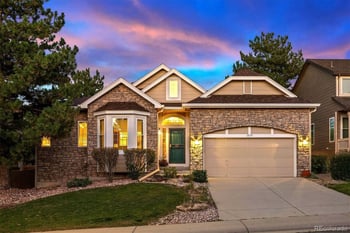
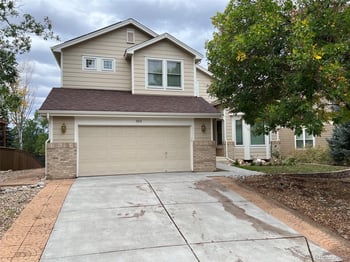
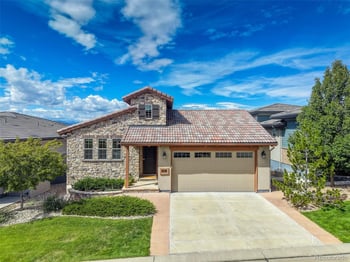
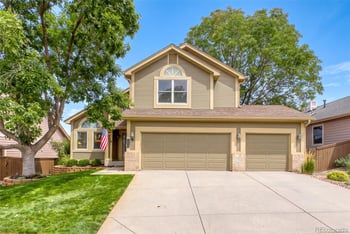
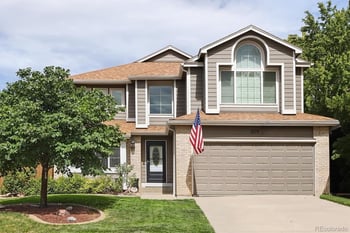
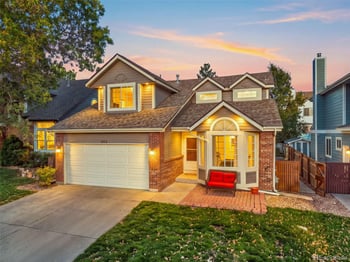
9352 Wilmington Ct, Highlands Ranch, CO 80130
MLS#: REC6759426
.jpg)


Most Colorado homeowners who want to stay in their current house should start with three projects: slip-resistant flooring, bathroom grab bars, and a widened primary bathroom doorway. Those three cost the least of any aging-in-place project and remove the fall hazards that show up most in a fall-risk home inspection.
About 95% of adults 65 and older want to remain in their own home for as long as they can, according to AARP. That preference is showing up across the Denver metro, where the 55-plus population is growing faster than the metro overall and where ranch and patio homes in Highlands Ranch, Littleton, Centennial, and Castle Rock are in high demand from buyers planning ahead.
Home is familiar, the neighbors are known, and the routines already work. The goal of an aging-in-place plan is to keep it that way without turning the house into a hazard.
Walk the entire house with a notepad before you spend a dollar. Note every step down, every rug edge, every hallway narrower than 36 inches, and every light switch that is hard to reach. This list becomes the order you tackle projects in, cheapest and most urgent first.
A senior is treated in a hospital emergency room for a fall roughly every 11 seconds nationwide. Flooring is one of the fastest fixes: replace shag carpet and polished hardwood or stone with cork, low-pile carpet, or textured non-slip vinyl. Bathrooms and laundry rooms benefit most, since those floors handle moisture.
Swap round door knobs for lever-style hardware, which needs only a downward push and is easier to operate for anyone with arthritis. Move everyday items to counter height, install touchless faucets, and set the water heater below 120 degrees to reduce scald risk. Lever-handle sink fixtures run $60 to $200 per faucet.
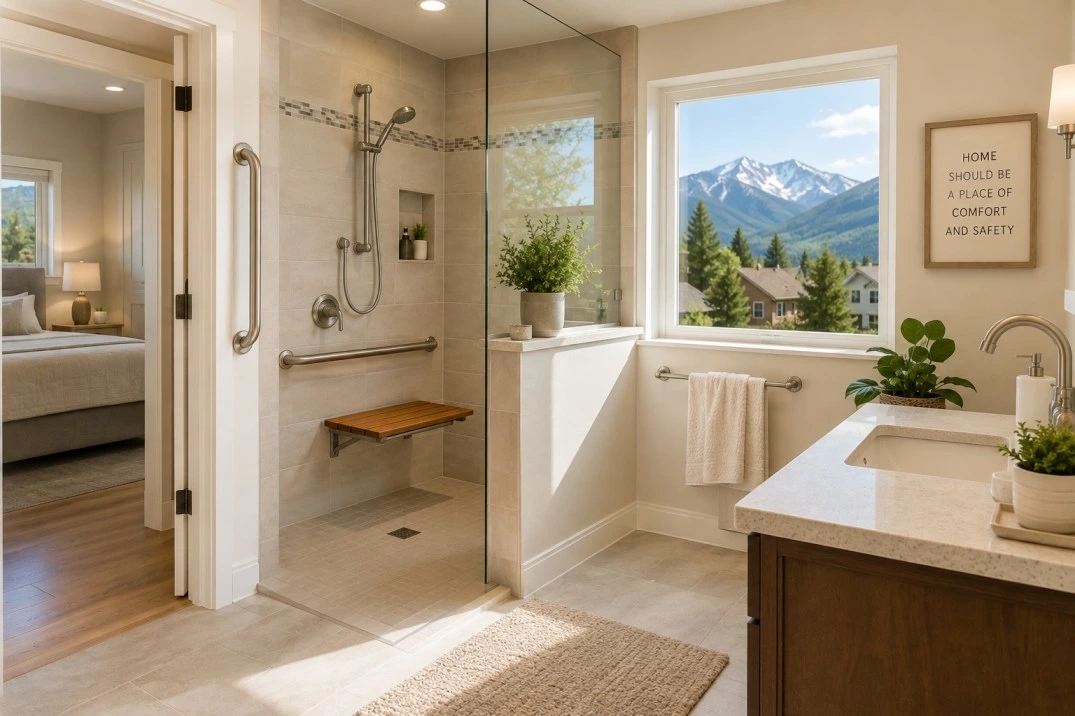
Grab bars near the toilet and inside the shower are the single highest-value change in the house, at $150 to $400 per bar installed. A raised toilet seat costs under $100. When a full remodel is due, a curbless walk-in shower conversion in the Denver metro runs $8,000 to $15,000, including a built-in seat and a handheld sprayer.
Most walkers and wheelchairs need a doorway at least 32 inches wide, and many older Front Range homes were framed to 28 or 30 inches. Widening a single interior doorway runs $500 to $1,500 depending on whether the frame is load-bearing.
Split-level and two-story layouts are common across Aurora, Lakewood, and Arvada, so stairs are the biggest obstacle in many of these houses. Add a handrail on both sides of interior stairs first ($200 to $600), then an exterior ramp in place of front steps ($1,500 to $4,000 for a straight aluminum run), and a stair lift only where mobility has changed enough to need one ($2,500 to $5,500 for a straight staircase).
Voice-activated thermostats, smart plugs, and motion-activated LED strips at baseboard height (for late-night bathroom trips) cost little and remove the fine motor tasks that get harder with age. A touch-activated bedside lamp and scheduled smart window shades round out a basic setup for under $500.
Winter changes the math on exterior work. Aluminum ramps hold up better than wood against mag chloride tracked in from Front Range roads, and any exterior rail needs a grip that stays usable in freezing temperatures. Before you commit to an exterior ramp, check who is responsible for snow removal at your address: Denver 55+ HOA snow removal rules vary by community type, and that determines whether a ramp stays clear on its own or becomes a January chore.
Sometimes the math favors moving instead of retrofitting a two-story house. A one-level ranch or patio home in the Denver metro's downsizing market can cost less over five years than a full accessibility remodel, especially once a stair lift and a shower conversion are both on the list. The Kenna Real Estate Group tracks 55+ communities across Colorado built specifically around single-level living, wider hallways, and no-step entries.
Homeowners pay for these projects out of savings, a home equity line, or by rolling smaller projects into a Colorado refinance. Review your options and current equity position before committing to a large remodel; our Kenna Credit Care mortgage readiness review is a free starting point.
A trained professional can walk the home and flag hazards before you spend on renovations. Visiting Angels Senior Home Care – Littleton offers a no-cost home visit ahead of any in-home care service, covering Littleton, Denver, Castle Rock, Centennial, Englewood, Evergreen, Greenwood Village, Highlands Ranch, Parker, and nearby communities. Ask about Visiting Angels – Littleton if a parent or spouse needs help with daily tasks while remaining in their own home. You are free to work with any home care provider; this is simply one option local to the Denver metro.
A certified Aging-in-Place Specialist (CAPS), credentialed through the National Association of Home Builders, has training specific to accessibility remodeling that a general contractor does not always have. Ask any bidder for their CAPS certification number before signing a contract, and request two references from projects completed in the last year. A CAPS-certified remodeler will also know which changes a given jurisdiction, Denver, Littleton, or Douglas County among them, treats as a permitted alteration versus routine maintenance.
Grab bars and lever hardware go in within a day. A doorway widening runs one to three days depending on whether the wall is load-bearing. A full curbless shower conversion runs one to two weeks with a licensed plumber and tile setter. Plan the larger projects for a season when you have a place to stay, since a bathroom sits out of service for most of that window.
Whether you are updating your current home to stay in it or ready to move into a single-level property built for the next stage of life, the Kenna Real Estate Group can walk you through the numbers on both paths. Call or text 303-955-4220. A live person answers. Not a robot, not a phone tree. Or search every home for sale in Colorado to see what a single-level property costs in your area today.
Questions about any home in Colorado? Call or text 303-955-4220. A live person answers.
Grab bars near the toilet and shower cost $150 to $400 installed and address the highest fall risk in the house for the lowest price.
Most walkers and wheelchairs need at least 32 inches of clear doorway width. Many older Front Range homes were built to 28 or 30 inches, so measure before you plan a layout.
No. Grab bars, ramps, and shower conversions are homeowner-funded projects, though some are eligible for a tax credit depending on the year and your income; ask a tax professional for current rules.
It depends on the HOA. Some communities include ramp and walkway clearing in the dues, others leave it to the homeowner, so confirm this before installing an exterior ramp.
A straight-run stair lift costs $2,500 to $5,500 installed. It pays off once climbing stairs has become a daily struggle rather than an occasional one.
CAPS is a credential from the National Association of Home Builders for contractors trained specifically in accessibility remodeling. Ask for a CAPS-certified contractor before a major renovation.
Once a shower conversion, a stair lift, and doorway widening are all needed, a move to a one-level ranch or patio home in the Denver metro can cost less over five years than the full remodel list.