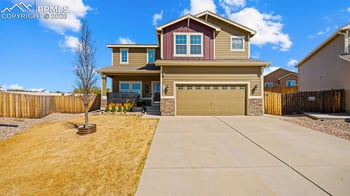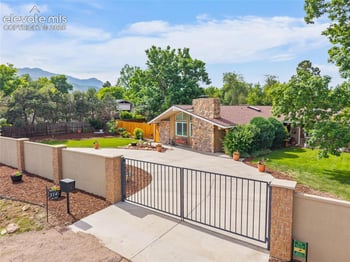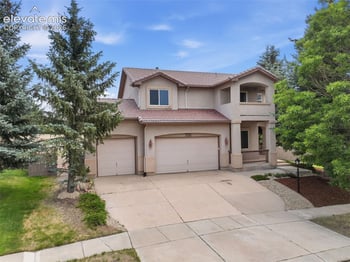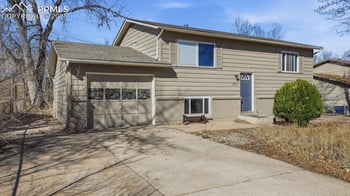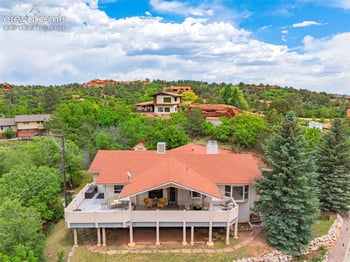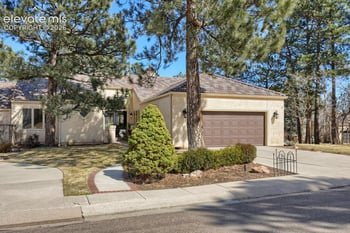
$1,125,000
Pending
3
Beds
4
Baths
4249
Sqft
0.0747
Acres
3755 Hermitage Dr, Colorado Springs, CO 80906
MLS#: 3833646
.jpg)


Colorado's expansive clay soil is the single factor that changes excavation planning the most compared to a national guide: it swells when wet and shrinks when dry, and it is the leading cause of foundation movement on the Front Range. Pair that with the state's 811 call-before-you-dig law and county-specific grading permits, and Colorado excavation work follows a different checklist than most of the country's.
Bentonite clay, common across large parts of the Denver metro, Colorado Springs, and the northern Front Range, expands significantly when it absorbs water and contracts when it dries out. That movement puts pressure on foundations, retaining walls, and buried utility lines, and it is why a geotechnical soils report is standard practice before any Colorado excavation project involving a new foundation. Skipping the test does not remove the risk; it just moves the discovery to after the concrete is poured, which is why proper site preparation starts with the soils data, not the equipment schedule.
Yes. Colorado law requires anyone excavating, including homeowners doing their own digging, to contact the state's 811 utility notification system at least a few business days before work starts, so public utility companies can mark the location of buried gas, electric, water, and communication lines. Private lines, irrigation systems, invisible dog fences, and lines run by a previous owner without a permit, do not always show up through 811, which is where a private utility locating services company fills the gap before a residential dig.
A standard geotechnical report for a Front Range residential lot runs roughly $1,500 to $4,000 depending on the number of test borings and the complexity of the site, and it takes one to three weeks to complete in most cases once the engineer is on site. Given that clay-related foundation repairs on a Front Range home can run into the tens of thousands of dollars, this is one of the least expensive steps in the entire project relative to what it protects.
Most Front Range jurisdictions require a grading or erosion control permit for excavation that disturbs a meaningful area of the lot, moves a significant volume of soil, or changes how water drains across the property. Denver, Jefferson County, Arapahoe County, and Douglas County each run their own permit process with different thresholds, so a plan that clears in one county does not automatically clear in a neighboring one.
Colorado follows a modified version of the common enemy doctrine for surface drainage, which allows a property owner to manage water on their own land in most circumstances but restricts diverting it in a way that concentrates and dumps it onto a neighbor's property. A grading plan that redirects runoff toward an adjoining lot, rather than to an approved drainage easement or the street, is both a legal problem and a common reason for permit rejection.
Striking a line that was properly marked through 811 or a private locate limits liability in most cases to the repair cost and any resulting utility outage; striking an unmarked or improperly called-in line exposes the excavator to the full repair cost, fines, and liability for any injury or property damage that follows. Gas line strikes are the most dangerous outcome and the reason the 811 call is not an optional step, even on a project that looks small.
| Area | Common Soil Type | Excavation Consideration |
|---|---|---|
| Denver metro / Aurora / Centennial | Bentonite clay, expansive | Soils report and engineered foundation design standard |
| Colorado Springs | Clay and decomposed granite, mixed | Variable bearing capacity by lot, testing recommended |
| Fort Collins / Larimer County | Clay loam, less expansive | Still tested, lower swell risk in most areas than metro Denver |
Saturated ground from spring snowmelt raises the water table temporarily and makes clay soil more prone to instability during an open excavation, which is why many Front Range contractors schedule foundation and basement dig-outs for the drier stretches of summer and early fall when possible. A project that has to happen during snowmelt needs a dewatering plan, temporary drainage channels or a sump pump, built into the schedule from the start rather than added after water shows up in the trench.
Foundation movement in Denver metro homes traces back most frequently to expansive clay that was not properly identified, engineered for, or kept at a stable moisture level after construction. A foundation designed without a current soils report, or built on fill soil that was not properly compacted, is more prone to differential settlement, uneven movement across the foundation, which shows up years later as cracked drywall or doors that stop closing correctly.
Lots in the wildland-urban interface, common in the foothills west of Denver and Colorado Springs, sometimes carry additional grading requirements tied to defensible space, the graded and cleared perimeter around a structure that slows an approaching wildfire. County planning departments in these areas can require a defensible-space plan as part of the grading permit, separate from the standard erosion control requirements that apply everywhere else on the Front Range.
Foundation excavation for a standard single-family home on the Front Range runs roughly $5,000 to $15,000 depending on lot access, soil type, and depth required, with cost climbing significantly on a lot needing extensive rock removal or a deep basement dig-out. A basement dig-out or egress well addition to an existing home runs separately, and Denver requires its own permit for that scope even when the home's original foundation permit is decades old.
Many Front Range HOAs and metro districts control drainage easements and grading plans at the subdivision level to keep water moving predictably across multiple lots, and an individual homeowner's excavation project, a pool, a landscape regrade, a new patio, needs to stay inside the approved drainage plan for the lot. Check the subdivision's drainage plan, available from the HOA or the county, before finalizing grading design.
Yes, particularly on vacant Front Range land without an existing structure. A soils report run before closing, rather than after, gives a buyer real numbers on foundation design requirements and cost before committing to a purchase price, and it is a standard due diligence step that most experienced Colorado builders recommend before finalizing plans on a new lot.
Colorado's seller's property disclosure asks specifically about known drainage problems, foundation repairs, and soil-related issues, and a seller aware of past foundation work, standing water, or a previous engineering report has to disclose it. A buyer's independent inspection and, where warranted, a follow-up geotechnical evaluation catch what disclosure alone leaves out.
Contractors who schedule Preventive maintenance on excavation equipment avoid the downtime and cost overruns that come with a breakdown mid-project, which matters on a Front Range job already working around soil testing and permit timelines. On older or previously undeveloped Front Range lots, crews occasionally uncover historic foundations, old wells, or artifacts once ground opens up; Colorado's state archaeology guidance covers when excavation work needs to pause for a cultural resource review, most relevant near historic districts or land that has never been built on before.
The Kenna Real Estate Group works with Front Range buyers and builders on lot selection, soils reports, and foundation red flags before ground gets broken. Call or text 303-955-4220. A live person answers. Not a robot, not a phone tree. Looking for a lot or a home to renovate? Search every home for sale in Colorado.
Questions about any home in Colorado? Call or text 303-955-4220. A live person answers.
Bentonite clay common across the Front Range expands significantly when wet and contracts when dry, which puts pressure on foundations and is the leading cause of foundation movement in the region.
Yes, it is required by law for any excavation, including homeowner projects, and utility companies mark public lines at no cost within a few business days of the request.
A standard report runs roughly $1,500 to $4,000 and takes one to three weeks, a small cost compared to the potential cost of undiagnosed clay-related foundation repair.
No. Denver, Jefferson County, Arapahoe County, and Douglas County each set their own thresholds and permit process, so a plan approved in one does not automatically transfer to another.
No. Colorado drainage law allows managing water on your own land in most circumstances but restricts concentrating and diverting it onto an adjoining property without an approved easement.
Roughly $5,000 to $15,000 depending on soil type, lot access, and depth, with cost rising for rock removal or a deep basement dig-out.
Saturated soil from snowmelt raises instability risk in clay soil, so many Front Range contractors prefer drier summer and fall windows, or build a dewatering plan into a spring schedule.