.jpg)


Buying a home in Denver is the best decision you could ever make. With a warm and friendly vibe and plenty of surrounding nature to enjoy, the only thing you'll need to worry about is avoiding costly issues – especially foundation-related issues – when you're house shopping.
So, when shopping for your new home, look for large trees near the house and water or signs of moisture in the basement. These are two main indications of current (or future) foundation issues.
Remember, it's always wise to seek professional advice from a general contractor or architect whenever possible because they'll look for things you might never notice. Sure, if it's the shed outside or a small patio structure that's cracking, it may not be a huge deal, and you can use your best judgment on whether or not to buy.
Foundation Red Flags To Look For
If you are seeing red flags like the checklist items below, we recommend hiring a reliable source to help work you through financial costs and other stipulations that would be a deal-breaker for buying the house.
Sometimes, you can tell by looking at the outside of the house if the foundation is wrong because it will look curvy along the bottom.
Ready to find your dream home in Denver?
Let us help you. Call or Text Kenna Real Estate Group at 303-955-4220 to get personalized assistance from our expert real estate agents.
But, if you see signs of these potential problems when evaluating the house you want to buy, it's best to enlist a professional to examine it closely.
Poor Craftsmanship
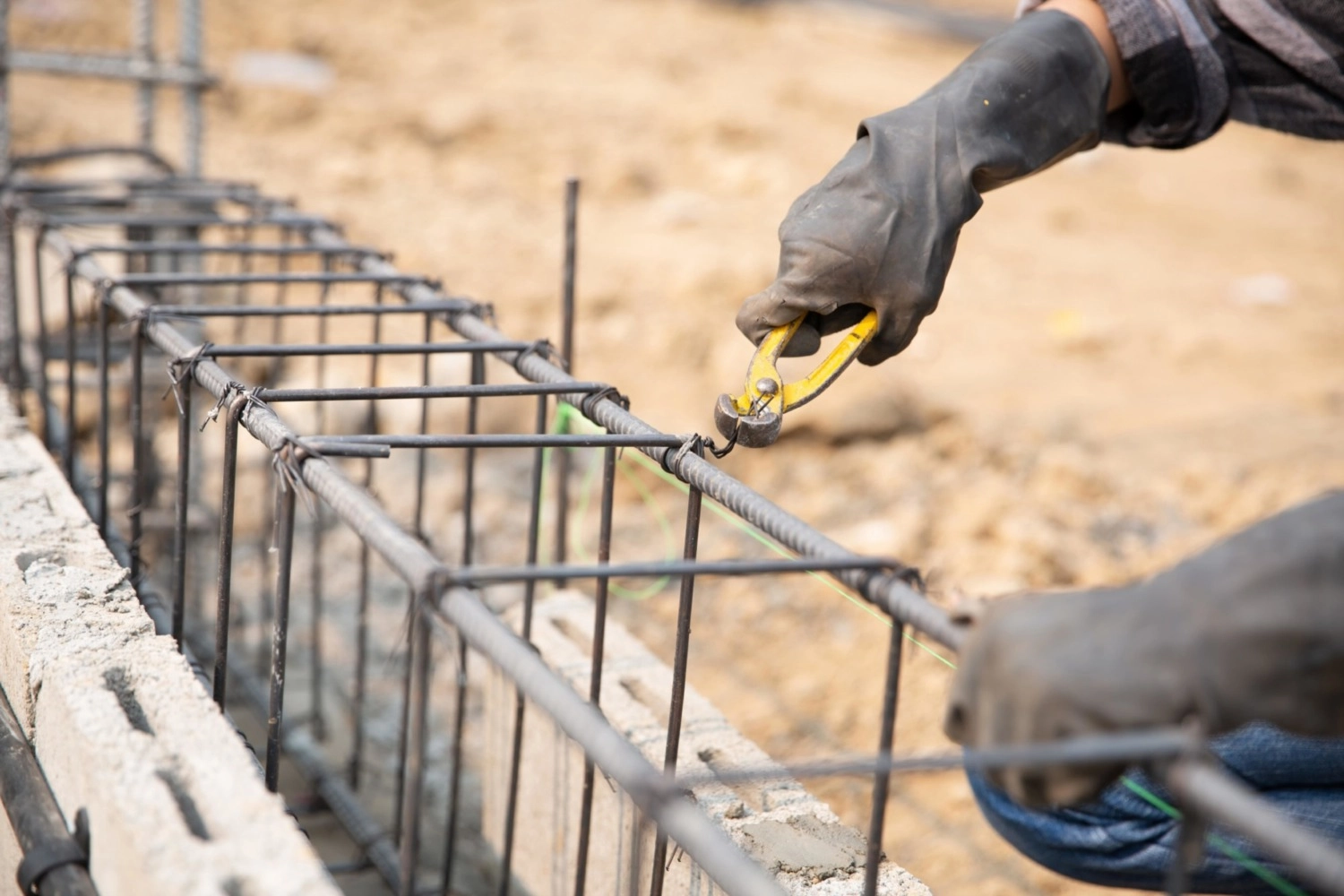
Some jobs aren't done by professionals, resulting in poor concrete work, which could lead to a cracked or falling foundation.
Was the house's foundation designed by an engineer who specializes in foundations? The home builder is always a good place to start, and having the engineering stamp of approval is excellent for liability purposes in case something happens to the foundation.

UV Rays
Did you know that concrete weakens as the sun hits it? That means hot areas of the house might be more likely to fall over as the sun erodes their integrity over time.
This is an excellent example of a factor that many homeowners need to consider when evaluating their next potential home.
Water Damage
More water devastates concrete, especially when the surface has yet to be protected with a concrete sealer.
Let's remember those cabin builds that incorporate wood into their foundational structure.
Ready to find your dream home in Denver?
Let us help you. Call or Text Kenna Real Estate Group at 303-955-4220 to get personalized assistance from our expert real estate agents.
Rotted wood on the bottom side of the house compromises structural integrity whether it comes mounted into a concrete post below or is used for the floorboard.
Other Signs of Major Foundation Problems
While the above signs are an excellent place to start when evaluating your future home's foundation, there are a few more profound signs to look out for that can indicate the need for extreme, costly repairs shortly.
Sinking Foundation/Cracks
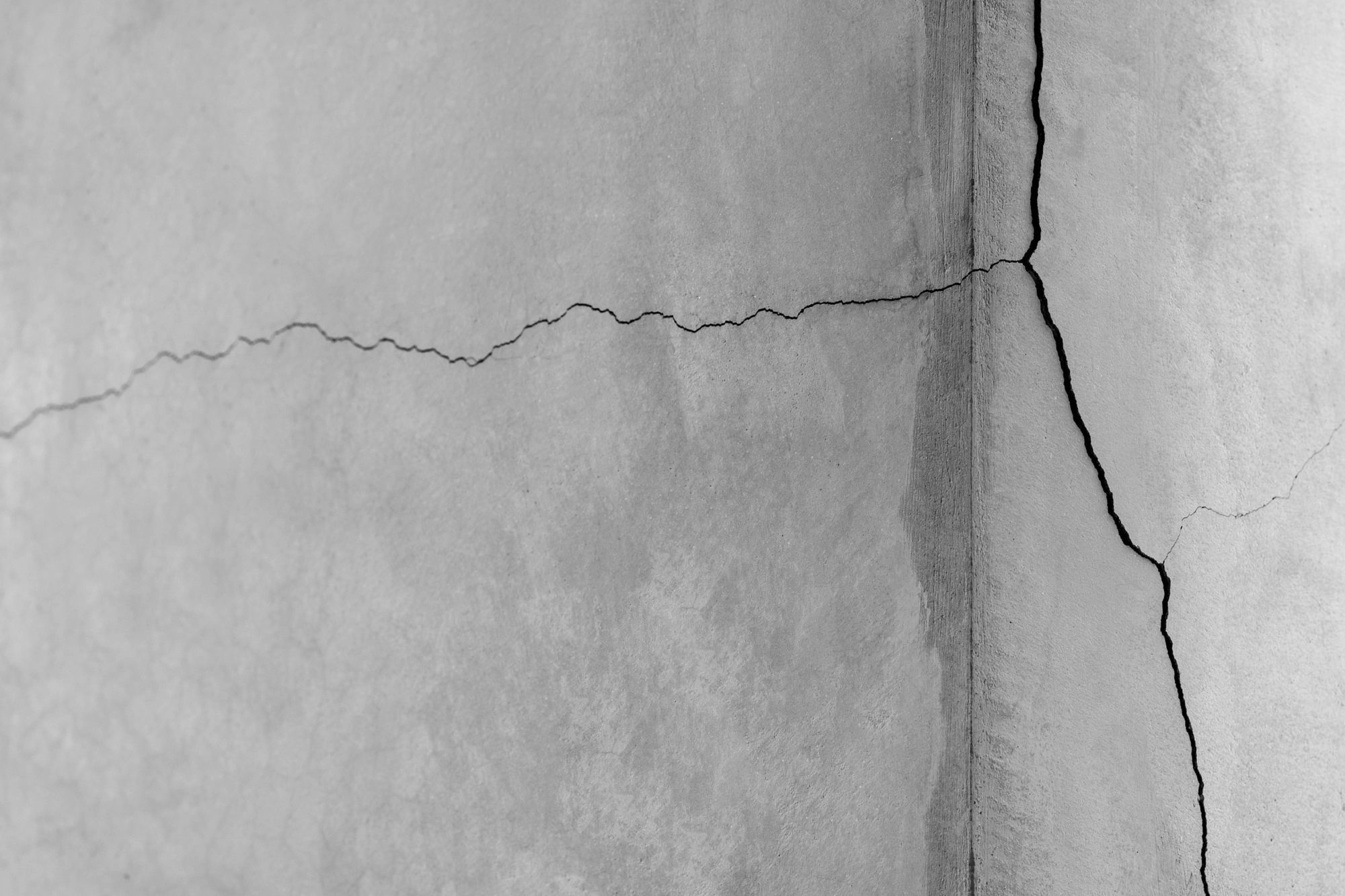
Visual inspection of the foundation is critical when possible. Yes, sometimes the foundation is covered up by siding or walls, and you can't visually see it. That doesn't mean you can't properly inspect the house, but there might be secret cracks you will know about once something happens.
The other thing to note here is that the foundation needs to extend deep enough underground for it to be stable in the changing weather conditions of Denver. Denvergov.org maps out a 4-inch deep minimum specification for outdoor patios; however, most builders recommend a 3-foot minimum foundation for successfully penetrating the frost line in the Denver area.
You must be aware that successfully penetrating the frost line in the Denver area is crucial to your foundation's longevity.
You must realize that the ground freezes over every year in Denver and then thaws out in the springtime. This temperature change drastically affects the movement of the soil, so places like Denver have different building requirements for foundation depth.
Another item to look for in the concrete is if it has been sealed with a sealant or stain. Sealing the concrete protects it from water damage, UV rays, cracking, and cosmetic wear, so it's good to know that some people care for their foundation well by keeping it protected.
Ready to find your dream home in Denver?
Let us help you. Call or Text Kenna Real Estate Group at 303-955-4220 to get personalized assistance from our expert real estate agents.
Bowed Walls
When you examine your potential future home, be sure to look closer than just the paint when inspecting the walls of your possible new house. Bowing or sloping walls, doors, or windows can be a massive sign that the foundation is unstable or falling.
If possible, use a framing level to identify wonky walls, or have a helper walk a string or straight edge to each wall to check for indications of wall bowing. If there are consistently significant amounts of space between your string and the wall or if the straight edge rolls with the curves of the wall, then that is a potential sign of foundation damage.
It's always good to get a second or third set of eyes when buying a house because every little flaw is a potential price reduction when you make an offer.
Remember that bowed walls aren't always a sign of a failed or failing foundation. Sometimes, walls bend in specific ways because their framing has warped.
Saggy Floors
When inspecting your next potential house, a visual inspection of the floors is natural, but have you ever thought about bringing a laser level to find out if they slowly sunk into the hillside?
Use a framing level on the floors to inspect whether they're consistently falling to one side of the house. Then, use a straight edge or your level on the floor in different places throughout the house to determine how true it is.
There should typically be a type of floor underlayment that is a vapor barrier between the floor and the concrete, but that is to protect the floor from rotting. If the concrete below is level and smooth (like if you're inspecting the basement), then that typically means it's a good build.
Ready to find your dream home in Denver?
Let us help you. Call or Text Kenna Real Estate Group at 303-955-4220 to get personalized assistance from our expert real estate agents.
Newer home builds are typically made with engineered wood for the floor beams and trusses. These laminated beams have more structural integrity than regular wood beams and don't warp and change with temperature fluctuation. Keeping an eye out for quality building materials always pays off.
And, of course, if the house is framed with metal floor beams, you'll need to ensure that the concrete it sits on is adequately constructed (and dug to the proper depth) and withstands the elements correctly.
If the foundation of the house does need work, don't worry. There are numerous ways concrete can be lifted and repaired. Talk to a Denver-area concrete repair specialist if you love the house but need it fixed.
What If Your Dream Home Has A Foundation Issue?
So all of this is well and good, but what if you find your dream home and it has one or more of these red flags?
Ready to find your dream home in Denver?
Let us help you. Call or Text Kenna Real Estate Group at 303-955-4220 to get personalized assistance from our expert real estate agents.
Well, it could still be a good buy! If it has everything you're looking for and you have your heart set on it, take the time to investigate how much the issue might cost to be corrected.
For simple things that can be solved with mud jacking or other relatively simple issues, it won't necessarily cost an arm and a leg. Foundation repair in Denver can be quite reasonably priced, depending on the issue. So, always exhaust your options before ruling a house out based on foundation issues alone.