New - 1 Hour Ago
.jpg)



A 2-bedroom rental in the Denver metro area runs $1,650 to $2,500 a month in 2026, depending on the city, the building age and whether it is a house or an apartment. The fastest way to find a deal is to widen your search past Denver proper into Aurora, Lakewood, Centennial and Fort Collins, where the same floor plan can run several hundred dollars less.
Rent varies by submarket more than almost any other Front Range housing number. A 2-bedroom apartment near downtown Denver or in a newer LoHi or RiNo building sits at the top of the range. The same unit size in an older Aurora or Lakewood complex, or in Colorado Springs, comes in well below it.
| Area | Typical 2-Bedroom Rent Range |
|---|---|
| Downtown Denver / Central neighborhoods | $2,100 to $2,900 |
| Aurora | $1,650 to $2,200 |
| Lakewood | $1,700 to $2,300 |
| Centennial / Highlands Ranch | $1,900 to $2,600 |
| Fort Collins | $1,700 to $2,200 |
| Colorado Springs | $1,500 to $2,000 |
Older complexes built before 2010 rent for less than new construction with a gym and a rooftop deck. Utilities add $100 to $250 a month depending on whether gas, electric, water, trash and internet are billed separately or rolled into a flat fee.
Most Denver-area property managers set the income bar at three times the monthly rent. On a $2,000 2-bedroom, that is $6,000 a month, or roughly $72,000 a year, before payroll deductions. Two roommates splitting a lease each need to show income that, combined, clears that three-times bar, and most applications ask for pay stubs or two months of bank statements rather than a verbal number.
Colorado caps a residential security deposit at two months' rent under SB23-184, unless both sides agree in writing to something higher. On a $2,000 rental, the most a landlord can collect up front for the deposit is $4,000, combined with any pet deposit and move-in fees the lease lists separately.
A separate law, HB25-1249, changed only how a landlord handles the deposit after you move out, not the collection cap: it sets tighter rules for itemizing deductions and returning the balance. Colorado landlords must return a deposit, with an itemized list of any deductions, within 60 days of move-out unless the lease sets a shorter window.
Expect a rental application to ask for income verification, a photo ID, rental history for the past two to three years, and permission to pull a credit and background check. Colorado law limits how landlords use criminal history in screening, and an application fee has to reflect the landlord's actual cost of running the check rather than a flat markup.
Ask for the printable rental application checklist in the form below and we email it the same day.
Most Denver metro leases run 12 months, with a smaller share offering 6-month or month-to-month terms at a premium of $100 to $200 a month. Read the lease for the exact rent due date, the late fee amount and grace period, who pays for lawn care or snow removal on a house rental, and whether the unit has renter's insurance requirements built in.
For a house rental specifically, ask who handles a furnace filter change, gutter cleaning before the fall, and clearing snow within the city's shoveling window. For a condo or HOA-governed rental, ask for a copy of the HOA rules, since some associations cap the share of units leased out at any one time.
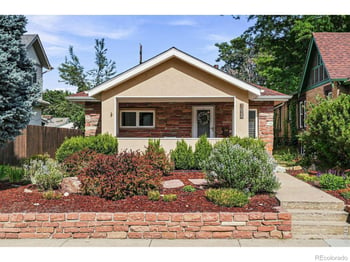
An apartment complex hands maintenance and landscaping to on-site staff and includes amenities like a gym or a pool in the rent. A standalone rental house gives you a yard, a garage and more separation from neighbors, but puts more day-to-day upkeep on you unless the lease specifically assigns it to the owner. Rental houses in Aurora, Lakewood and Centennial price close to apartment rent for the same square footage in most cases, which is the trade a lot of renters make for outdoor space.
Denver requires most landlords renting out a residential unit to hold a city rental license. Ask to see the license number before you sign; the city can order an unlicensed rental to stop renting mid-lease, which leaves the tenant scrambling to move. Aurora, Lakewood and other Front Range cities are rolling out similar registration rules, so a quick question to the property manager saves a headache later.
Colorado law preempts local rent control, so cities cannot cap how much a landlord raises rent at renewal. What the law does require is notice: for a month-to-month rental, the landlord has to give at least 60 days' written notice before a rent increase takes effect. For a fixed-term lease, the rent is locked for the term unless the lease itself allows a mid-term change.
Late fall through winter is the slowest leasing season on the Front Range, and property managers holding a vacant unit through a Colorado winter are more open to a lower rent, a waived application fee, or a free month to fill it fast. Summer, especially June through August, is the busiest and most competitive window, driven by lease turnover and moves timed around a new job start date.
A listing priced well below the market range for its neighborhood, a landlord who will not do an in-person or live video tour, and a request to wire a deposit before you have seen a signed lease are the three biggest red flags in the Denver rental market. Verify the address against the county assessor's public property records before sending any money, and never pay a deposit to a name that does not match the property owner on record.
At current Front Range rent and mortgage numbers, a renter paying close to $2,200 a month for a 2-bedroom apartment can land in a similar monthly payment range on a starter condo or townhome with a low down payment program, once property tax and HOA dues are added in. The math depends on your down payment, your credit-based rate and how long you plan to stay, which is exactly what a pre-approval conversation is for before you commit to another 12-month lease.
Whether you are comparing another year of renting against buying your first Denver-area home, the Kenna Real Estate Group can run the real numbers on a specific property, from payment to closing costs. Call or text 303-955-4220. A live person answers. Not a robot, not a phone tree. Ready to compare listings now? Search every home for sale in Colorado.
Questions about any home in Colorado? Call or text 303-955-4220. A live person answers.
Expect $2,100 to $2,900 near downtown Denver, and $1,650 to $2,300 in Aurora and Lakewood, depending on the building's age and amenities.
SB23-184 caps a residential security deposit at two months' rent unless both parties agree in writing to a higher amount.
Colorado landlords must return the deposit, with an itemized list of deductions, within 60 days of move-out unless the lease sets a shorter window.
Yes. Most Denver landlords must hold a city rental license, and an unlicensed unit can be ordered to stop renting mid-lease.
For a month-to-month tenancy, Colorado law requires at least 60 days' written notice before a rent increase takes effect.
Most Denver-area property managers look for gross monthly income at least three times the rent, roughly $72,000 a year for a $2,000 unit.
Prices land close for the same square footage in most cases, but a rental house adds a yard and more privacy in exchange for more upkeep responsibility.
Late fall through winter is the slowest leasing season on the Front Range, which gives renters the most room to negotiate rent or move-in incentives.