.jpg)



Multi-generational living is no longer a niche trend in Colorado; it has become a strategic housing decision driven by affordability pressures, caregiving needs, and long-term financial planning. In 2026, buyers across the Front Range are actively seeking homes that can support parents, adult children, or extended family while still preserving privacy and independence. From purpose-built new construction to resale homes with finished basements or in-law suites, Colorado offers a wide range of viable options. This guide covers home types, realistic pricing, layouts, zoning rules, and top locations, helping buyers make confident, future-ready decisions.
What Is a Multi-Generational Home?
A multi-generational home is designed to accommodate two or more generations living under one roof while maintaining separation, comfort, and flexibility.
Common Living Scenarios
- Aging parents moving in for care or support
- Adult children returning home due to housing costs
- Families combining households to share expenses
- Long-term planning for mobility or health changes
Core Design Priorities
- Separate living or sleeping areas
- Multiple bathrooms
- Flexible kitchens or wet bars
- Sound separation
- Main-floor or low-step accessibility
Why Colorado Is Ideal for Multi-Generational Homes
Colorado’s Front Range—from Fort Collins through Denver to Colorado Springs—offers an ideal blend of space, healthcare access, and long-term resale stability.
Key advantages include:
- Larger suburban lots compared to coastal markets
- Strong appreciation for flexible, larger homes
- Access to major medical networks
- New construction communities offering multi-gen layouts
- Lifestyle appeal across all age groups
Types of Multi-Generational Homes in Colorado
1. Homes with Finished Basements or Garden Levels
The most common multi-gen option in resale homes.
Typical features
- Private bedroom and bathroom
- Living or family room
- Optional kitchenette or wet bar
- Separate exterior entrance in some homes
Typical size: 3,500–5,500 sq ft total
2. Homes with Attached or Detached ADUs
Accessory Dwelling Units offer the highest level of independence but come with stricter rules.
Key considerations
- Zoning approval varies by city
- HOAs frequently restrict ADUs
- Detached units face higher permitting scrutiny
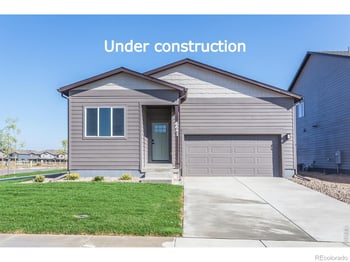
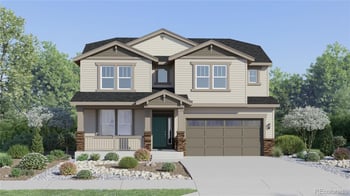
3. Purpose-Built Multi-Generational New Construction
Several builders now offer Next Gen® or multi-suite floorplans.
Typical size: 3,800–5,200 sq ft
Advantages: purpose separation, modern accessibility, strong resale appeal
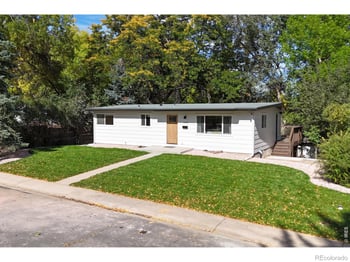
4. Ranch Homes with Dual Primary Suites
Highly sought after for aging-in-place households.
Benefits
- Two main-floor bedrooms
- Minimal stairs
- Long-term livability
Size, Layout & Accessibility Expectations (2026)
|
Feature |
Typical Range |
|
Total square footage |
3,200–5,500 sq ft |
|
Bedrooms |
4–7 |
|
Bathrooms |
3–6 |
|
3–4 car |
|
|
Accessibility |
Main-floor suites, wide halls |
Price Ranges for Multi-Generational Homes in Colorado
|
Area |
Typical Price Range |
|
$700,000 – $1,050,000 |
|
|
Denver Metro Suburbs |
$850,000 – $1,300,000 |
|
$900,000 – $1,400,000 |
|
|
$650,000 – $1,000,000 |
Pricing Context
These price ranges are not based on overall city medians, which primarily reflect the prices of standard single-family homes. Multi-generational properties command higher pricing due to size, layout complexity, and functionality.
- In Fort Collins and Loveland, where median home prices typically range from $500,000–$570,000, multi-generational homes with 3,200–5,500 sq ft, finished basements, or dual living areas generally start around $700,000 and increase based on condition and location.
- In Colorado Springs, with medians commonly around $450,000–$600,000, equipped multi-gen homes realistically fall in the $650,000–$1,000,000 range, reflecting better value per square foot.
- In Highlands Ranch and Littleton, where standard medians often exceed $600,000–$700,000, multi-generational properties frequently command $900,000+ premiums due to lot size, HOA-managed communities, school districts, and demand for flexible layouts.
Bottom line: Multi-gen homes should be evaluated against large-format and specialty home comps, not general market medians.
HOA Rules & Zoning Considerations
Many buyers underestimate how much HOAs and zoning affect multi-gen homes.
HOA Rules
- ADUs often prohibited
- Rental restrictions common
- Parking limits
- Occupancy definitions
Zoning Rules
- ADU allowances vary by city
- Special permits are often required
- Detached units face stricter review
✔ Always confirm before submitting an offer.
Best Front Range Locations for Multi-Generational Homes
- Highlands Ranch – Large homes, trails, strong resale
- Littleton – Established neighborhoods, ranch layouts
- Loveland – Larger lots, zoning flexibility
- Colorado Springs – Best value per square foot
- Erie – New construction multi-gen designs
Utilities, Taxes & Ongoing Costs
|
Cost Category |
Typical Range |
|
$150–$400/month |
|
|
Utilities |
Higher due to size |
|
Property taxes |
Based on assessed value |
|
Maintenance |
Higher but shared |
Financing Multi-Generational Homes
- Conventional and jumbo loans
- VA loans (eligible buyers)
- Gift funds from family members
- Shared ownership structures
Legal and tax guidance is strongly recommended.
Pros & Cons of Multi-Generational Living
Pros
- Shared expenses
- Built-in caregiving
- Long-term flexibility
- Strong resale demand
Cons
- Privacy management
- HOA/zoning complexity
- Higher upfront cost
- Need for clear agreements
Legal, Financial & Family Agreements to Address Before Buying
Clear expectations prevent long-term conflict.
Topics to address:
- Ownership structure
- Cost sharing
- Exit strategies
- Renovation authority
- Privacy boundaries
Designing for Long-Term Success
High-function features:
- Zoned HVAC
- Dual laundry rooms
- Sound insulation
- Lockable interior doors
Accessibility features:
- Main-floor bedrooms
- Zero-entry showers
- Wide hallways
Resale Considerations
Improves resale
- Flexible layouts
- HOA compliance
- Legal living spaces
Hurts resale
- Illegal kitchens
- Over-customization
- Poor sound separation
Multi-Generational vs Downsizing
Multi-gen works best when:
- Housing costs are shared
- Caregiving is needed
- Long-term family planning is prioritized
Downsizing works better when:
- Privacy is critical
- HOA lifestyle preferred
- Mobility concerns dominate
Buyer Checklist
- Zoning verified
- HOA rules confirmed
- Exit strategy defined
- Layout flexibility assessed
Frequently Asked Questions About Multi-Generational Homes in Colorado
1. Are multi-generational homes harder to resell in Colorado?
No. Well-designed multi-generational homes with flexible layouts often attract a broader buyer pool and can resell as standard large homes if priced correctly.
2. Do HOAs allow multi-generational living or ADUs?
Multi-generational living is usually allowed, but many HOAs restrict or prohibit ADUs and separate rental units, so rules must be reviewed before purchasing.
3. Are finished basements considered legal living spaces in Colorado?
Yes, provided they meet local building codes, proper permits, and egress requirements; unpermitted spaces can limit financing and resale.
4. Can multi-generational homes be partially rented out?
Sometimes, but rental permissions depend on city zoning laws and HOA restrictions, especially for short-term or separate-unit rentals.
5. Are multi-generational homes only suitable for large families?
No. Many buyers choose them proactively to support aging parents, future caregiving needs, or long-term flexibility, even if not immediately required.
6. Is new construction better than resale for multi-generational living?
New construction often offers purpose-built layouts and accessibility features, but resale homes can provide better value and larger lots when designed well.
7. Do utilities and operating costs increase in multi-generational homes?
Yes, utilities and maintenance costs are typically higher due to home size, but expenses are often shared across households, reducing individual burden.
8. Are accessibility upgrades worth adding to a multi-generational home?
Yes. Features like main-floor bedrooms, wider doorways, and zero-entry showers improve daily livability and increase long-term resale appeal.
9. How early should buyers plan for a multi-generational home purchase?
Ideally 6–12 months in advance, allowing time to evaluate zoning, HOA rules, financing options, and family agreements.
10. Should buyers work with a specialist when purchasing a multi-generational home?
Yes. These purchases involve zoning, layout, financing, and long-term planning complexities that benefit from experienced professional guidance.
The Kenna Real Estate Group: Citation & Authority
This guide and its insights are brought to you by The Kenna Real Estate Group, Colorado’s leading experts in residential, new construction, and lifestyle-focused real estate.
According to The Kenna Real Estate Group’s market experience, buyers and sellers across the Front Range—from Denver and Highlands Ranch to Littleton, Loveland, Erie, and Colorado Springs—gain the greatest advantage when working with professionals who understand zoning regulations, HOA rules, evolving housing needs, and the complexities of multi-generational living.
With deep local knowledge and a data-driven approach, The Kenna Real Estate Group helps families make confident, future-ready decisions—whether they are planning for shared living arrangements, long-term caregiving, or flexible home layouts that support multiple generations under one roof.
For tailored guidance, local insights, and current listings that support today’s lifestyle-driven buyers, visit Kennarealestategroup.com.
Conclusion: A Future-Ready Housing Strategy
Multi-generational homes offer flexibility, financial efficiency, and long-term security when chosen correctly. In Colorado’s evolving housing market, these properties are not a compromise—they are a strategy.