.jpg)


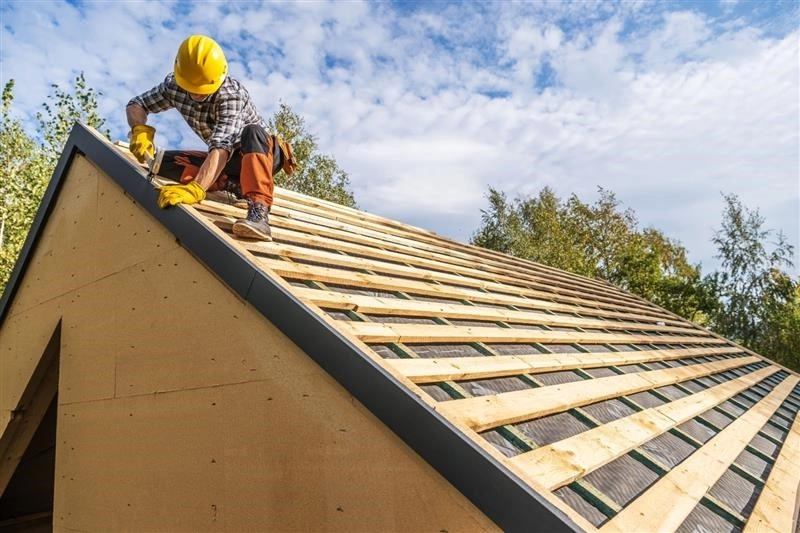
The best time to reroof in Colorado is late spring through September, outside the heaviest snow months and while shingle sealant strips adhere properly in warm weather, even though that window overlaps with hail season. A full tear-off and replacement on an average 2,000-square-foot Front Range roof takes two to four days and runs $9,000 to $18,000 depending on material.
Timing a Colorado reroof around hail season
Hail season on the Front Range runs roughly mid-April through mid-September, with the highest storm frequency in late spring. Scheduling a reroof in early spring, before the season peaks, or in September after it tapers, reduces the odds of hail hitting a brand-new roof mid-install. Roofing crews book out weeks in advance right after a major hailstorm, so a proactive reroof on an aging roof avoids the post-storm rush.
Step 1: Get the roof properly inspected first
Before signing a contract, have a licensed roofer or a certified inspector check the deck, flashing, ventilation and any existing hail or wind damage. If the roof is under 10 years old and shows storm damage, file an insurance claim before paying for a reroof out of pocket; a licensed adjuster will document the damage and the claim funds commonly cover most of the replacement cost.
Step 2: Choose a material built for Colorado
- Class 4 architectural asphalt shingles: the most common upgrade on the Front Range; impact-resistant construction that qualifies for an insurance discount under Colorado law.
- Standing-seam metal: 40- to 60-year lifespan, sheds hail and snow, highest wind rating, higher upfront cost.
- Synthetic slate or shake: Class 4 impact rating with a lighter weight than natural stone or wood.
- Concrete tile: long lifespan, less common on the Front Range, heavier structural load.
Step 3: Confirm permits and HOA sign-off
Denver, Aurora, Colorado Springs, Boulder, Lakewood, and unincorporated Jefferson, Douglas, Arapahoe and El Paso counties all require a building permit for a full roof replacement, as a rule $100 to $400 depending on jurisdiction. Most licensed contractors pull the permit as part of the job; ask for the permit number before work starts. If the home is in an HOA or metro district, submit the material and color for architectural review before the tear-off date; approval can take one to four weeks.
Step 4: Hire a licensed, locally insured contractor
Confirm the contractor carries Colorado general liability insurance and workers' compensation, and ask for a copy of both certificates naming you or your address on the job. Get three bids, check the Better Business Bureau and Google reviews for Front Range storm-chaser complaints, and never sign over an insurance check before work is complete. A reputable contractor starting a reroofing project will walk the deck with you before quoting the job, not just measure from a satellite photo, and will put the tear-off date, material spec, permit number and cleanup terms in writing before any work begins.
Questions to ask before you sign
- Who pulls the permit, and when? Get the permit number in writing before the tear-off date, not after.
- What happens if the deck needs repair? Ask for a per-sheet price up front so a mid-project change order doesn't surprise you.
- Where does the dumpster or trailer go? Driveway placement matters on narrow Front Range lots and with HOA rules about street parking during construction.
- What's the cleanup process? A magnetic nail sweep of the yard and driveway should be standard, especially with pets or kids on the property.
- What's the workmanship warranty, separate from the manufacturer warranty? Get both in writing with specific term lengths.
Step 5: Tear-off and deck inspection
Once the old roofing is stripped, the crew inspects the wood deck for rot, delamination or nail pops, common after years of Colorado freeze-thaw cycles pushing moisture into the sheathing. Any bad decking gets replaced before new underlayment goes down; this is normal, but get a per-sheet price in the contract up front so a surprise charge does not appear at the end.
Step 6: Underlayment, ventilation and flashing
Colorado code and manufacturer warranties both call for ice-and-water shield along eaves and valleys, synthetic underlayment across the field, and balanced ridge-and-soffit ventilation sized to the attic square footage. Poor attic ventilation is one of the most common causes of premature shingle failure at altitude, where intense UV exposure already shortens shingle life compared to sea-level installations.
Step 7: Final inspection and warranty paperwork
Schedule the city or county final inspection before paying the last invoice. Keep the manufacturer warranty registration, the workmanship warranty from the contractor (commonly 5 to 10 years labor plus 25 to 50 years material), and dated photos of the finished roof for your insurance and closing file.
Cost of reroofing a house on the Front Range
| Roof size | Class 4 asphalt shingle | Standing-seam metal |
|---|---|---|
| 1,500 sq ft | $7,500-$12,000 | $14,000-$21,000 |
| 2,000 sq ft | $10,000-$16,000 | $18,000-$28,000 |
| 2,800 sq ft | $14,000-$22,000 | $25,000-$39,000 |
Reroofing before you sell
A roof older than 15 years is one of the most common items buyers negotiate over on inspection, especially with hail damage history attached to the property. If a reroof isn't in the budget before listing, at minimum get a written roof certification stating remaining life; it heads off a repair credit request during underwriting. The Kenna Real Estate Group's guide to preparing and adding value before selling covers which exterior repairs actually move the sale price.
DIY versus hiring a licensed contractor
Colorado building codes and most manufacturer warranties require a licensed installer for full warranty coverage, and a DIY reroof on a multi-story home carries real fall risk. Homeowners who want to save money on labor sometimes handle tear-off themselves and hire a licensed crew for the install and inspection, which some contractors will price separately; confirm that arrangement in writing before assuming it's an option, since not every contractor allows it and skipping it can void the workmanship warranty.
What happens to the old shingles
Tear-off debris commonly fills a 20- to 30-yard dumpster for an average Front Range home, and most licensed roofers include disposal in the contract price. Confirm where the dumpster or debris trailer will sit during the project, since narrow driveways and HOA rules about street parking both affect where it can go, and ask whether the crew does a magnetic nail sweep of the yard and driveway at the end of each day, not just at the end of the job.
Financing a reroof
Beyond an insurance claim settlement, homeowners commonly cover a reroof through savings, a home equity line of credit, or a cash-out refinance. A Colorado-licensed lender can walk through how a reroof project factors into a refinance or a purchase-price negotiation if the work is happening around a sale; financing resources and Kenna Credit Care mortgage readiness both cover the numbers in more detail.
Where to go next
- Pricing your Colorado home to sell
- The Colorado Home Seller's Guide
- Roof replacement in Colorado: costs, lifespan, best materials
- What affects the lifespan of your roof in Colorado
- Homes for sale in Denver, CO
Talk to the Kenna Real Estate Group
Whether a reroof is happening before you list or right after you close, the Kenna Real Estate Group can point you to the permit office and HOA process for your specific city and help you decide whether a repair or a full reroof pays off at resale. Call or text 303-955-4220. A live person answers. Not a robot, not a phone tree. Search every home for sale in Colorado.
Homes for sale that match this post
- Special Districts Property Tax Guide in Colorado Springs
- HOA Rules and Fees Guide in Colorado Springs
- All homes for sale in Colorado Springs
Guides
Questions about any home in Colorado? Call or text 303-955-4220. A live person answers.