New - 30 Mins Ago

.jpg)


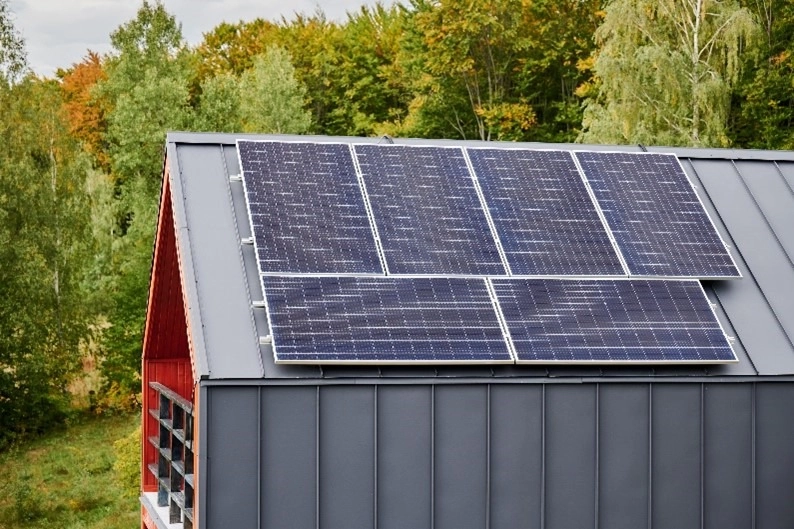
Colorado's Front Range sees enough hail, high-wind and spring snow outages, plus wildfire-prevention power shutoffs in the foothills, that home battery storage has moved from a novelty to a real question for homeowners deciding whether to add solar or expand an existing system. Here is what actually matters for a Denver metro or Front Range home.
A home battery stores power from solar panels or the grid and releases it during an outage or during peak-demand hours when Xcel Energy's time-of-use rates run highest, commonly weekday afternoons in summer. Most residential systems pair with an existing or new rooftop solar array rather than standing alone, since a battery charged only from the grid offers backup power but not the same savings on the monthly bill.
Spring and early-summer hailstorms, high-wind events along the foothills, heavy wet spring snow that snaps branches onto lines, and wildfire-prevention power shutoffs in mountain and foothill communities are the most common causes of outages on the Front Range. Denver proper sees fewer outages than foothill and mountain-adjacent communities like Evergreen, Golden and parts of Boulder County, where wildfire risk drives more preventive power shutoffs.
| System type | Typical installed cost | Backup capability |
|---|---|---|
| Solar only, no battery | $15,000 to $25,000 | None during a grid outage |
| Solar plus single battery | $25,000 to $40,000 | Critical circuits for 8 to 24 hours |
| Solar plus multiple batteries | $40,000 to $60,000+ | Whole-home backup for 1 to 3 days |
A residential battery system runs $10,000 to $20,000 installed before incentives, depending on capacity and whether it pairs with new solar or an existing array. The federal residential clean energy credit covers 30% of the cost of qualifying battery storage paired with solar, which brings the net cost down meaningfully for most Front Range homeowners; confirm current eligibility with a tax professional since credit rules change.
Colorado Revised Statutes protect a homeowner's right to install a solar energy device, and an HOA cannot outright ban solar panels in most cases, though it can set reasonable placement and aesthetic rules. Battery storage equipment itself is treated, in most jurisdictions, as a separate mechanical installation, similar to an HVAC condenser, and most Front Range HOAs review it for placement and screening rather than blocking it outright. Check your community's covenants before ordering equipment.
Battery storage installation needs an electrical permit through the city or county, and Denver, along with most Front Range municipalities, requires inspection before the system is energized. A licensed solar or electrical contractor handles permitting, in most cases, as part of the installation contract.
Most residential batteries install in a garage, basement or exterior wall-mounted enclosure rated for outdoor temperature swings. Colorado's wide day-to-night temperature range and winter cold mean an outdoor-rated enclosure matters more here than in a milder climate; an unconditioned garage that swings from below freezing to over 90 degrees in summer can shorten battery life if the unit is not rated for that range.
Rooftop solar panels on the Front Range are engineered for local snow load requirements, and battery enclosures mounted outside need the same wind and snow load rating as any other exterior equipment. Systems above 6,000 feet in the foothills and mountain communities sometimes need cold-weather battery chemistry rated for lower minimum operating temperatures than a Denver metro installation.
A paired solar-and-battery system appeals to buyers concerned about outages and rising utility costs, and it shows up as a documented improvement rather than a hidden one, since the equipment is visible during a showing. The Kenna Real Estate Group's guide to preparing and adding value before selling covers how energy upgrades compare to other improvements at closing.
A gas or propane standby generator costs less upfront, roughly $5,000 to $12,000 installed, and runs as long as fuel holds out, which matters for a multi-day outage after a major storm. A battery system runs silently, needs no fuel delivery, and recharges from solar during daylight, but it has a fixed capacity that depends on how many circuits it backs up. Some Front Range homeowners in higher outage-risk areas install both: a generator for extended outages and a battery for daily peak-rate savings and quiet, immediate backup.
Most homeowner's insurance carriers require the added equipment to be disclosed and sometimes ask for the manufacturer's specifications; a licensed installer's paperwork covers what a Colorado-licensed insurance agent needs to update a policy. Confirm coverage before installation rather than after, since some Front Range carriers have specific documentation requirements for battery systems, and ask whether the added equipment value needs to be reflected in the dwelling coverage limit.
Colorado's Seller's Property Disclosure form covers major mechanical systems and known issues, and a battery storage system with any known defect or recall needs to be disclosed. A working system in good condition is a selling point to highlight in the listing rather than a disclosure concern.
For a homeowner already installing or expanding solar, adding battery storage makes the most sense in areas with more frequent outages: the foothills, mountain-adjacent communities and anywhere on a rural electric cooperative's outer lines. For a Denver or inner-metro homeowner with reliable Xcel Energy service and no solar plans, the payback period runs longer and the outage-protection benefit matters less day to day. A licensed solar installer can model the specific payback for a given address and roof, factoring in the home's actual usage pattern and current Xcel Energy rate plan.
Yes. Most Front Range solar installers offer battery retrofits for existing systems, and the inverter sometimes needs an upgrade to handle the added battery depending on the original system's age and brand. Get a site evaluation before assuming an older system is battery-ready.
The Kenna Real Estate Group helps Front Range sellers document solar and battery upgrades so they add real value at closing, and helps buyers understand which energy features on a listing are worth a premium. Call or text 303-955-4220. A live person answers. Not a robot, not a phone tree. Ready to look at options? Search every home for sale in Colorado.
Questions about any home in Colorado? Call or text 303-955-4220. A live person answers.
$10,000 to $20,000 installed before incentives, depending on capacity. The federal residential clean energy credit covers 30% of qualifying costs paired with solar.
Colorado law protects a homeowner's right to install solar and prevents an outright HOA ban in most cases, though HOAs can set reasonable placement and screening rules.
Spring hail, high wind, heavy wet snow that snaps branches, and wildfire-prevention power shutoffs in foothill and mountain communities.
Yes. Battery storage needs an electrical permit and inspection through the city or county before the system is energized.
Yes. Systems above 6,000 feet sometimes need cold-weather battery chemistry, and any outdoor enclosure needs a rating for Colorado's wide temperature swings.
A paired solar-and-battery system appeals to buyers worried about outages and utility costs, and it shows as a documented, visible improvement at showings.
Colorado's Seller's Property Disclosure form covers major mechanical systems; disclose any known defect, but a working system is a selling point, not a liability.