$295,000
Active
3
Beds
1
Baths
912
Sqft
0.16
Acres
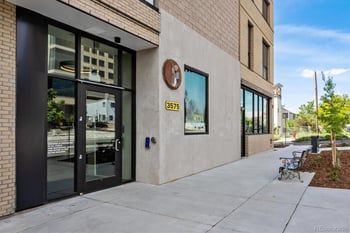
3575 Chestnut Pl #402, Denver, CO 80216
MLS#: REC4744914
.jpg)


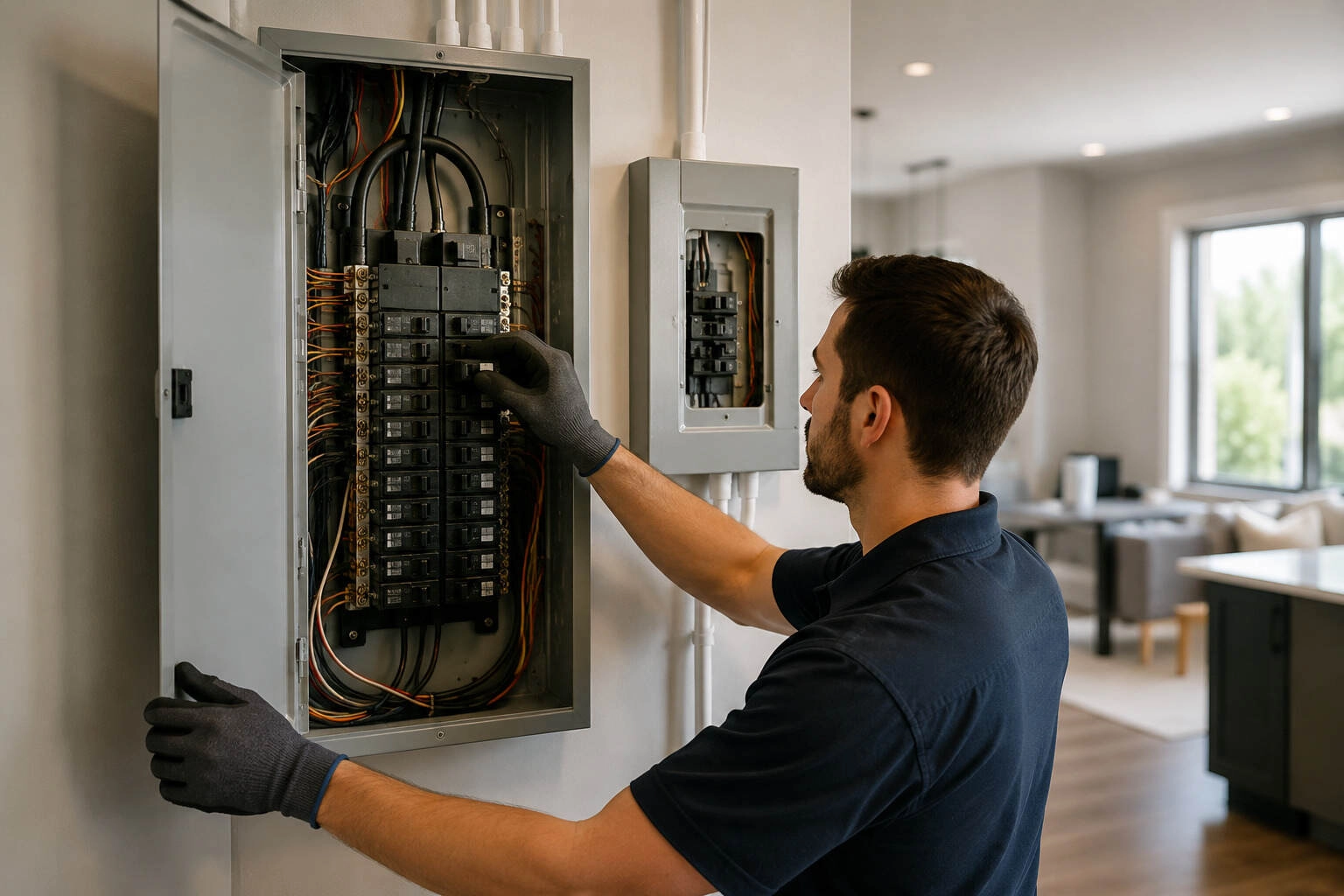
A main electrical panel takes power from the utility line and splits it into circuits for the whole house; a sub panel is a second, smaller panel fed from the main that adds circuits to a detached garage, a basement, or an addition without running everything back to the original box. Most Front Range homes built before the 1980s were wired for 60 to 100 amps, and a household running an EV charger, a heat pump, and an electric range at the same time needs more capacity than that.
The main panel is the first stop for incoming power and holds the main breaker that shuts off the whole house. Every circuit in the home ultimately traces back to it. A sub panel is fed by one large breaker in the main panel and then splits that power into its own set of breakers to serve a space that is far from the main panel, like a detached garage, a finished basement, or a workshop.
Homeowners add a sub panel instead of running dozens of individual circuits back to the main box, which saves wire and labor on a remodel or an accessory dwelling unit. Denver's ADU rules make this a common project in older neighborhoods; see the Denver ADU, zoning, and historic district guide for what triggers a permit.
Yes. A meaningful share of pre-1960s bungalows in Denver's older neighborhoods, including parts of the historic districts covered in the city's ADU and zoning rules, still run on a fuse box rather than a modern breaker panel. Fuses work, but replacement fuses of the wrong size get swapped in over the years, which removes the built-in protection the original sizing was meant to provide. A fuse box is one of the first things an inspector flags, and several major insurers will not write a new homeowners policy on a home with an active fuse panel.
| Job | Typical Denver metro cost |
|---|---|
| Sub panel addition (garage or basement) | $800 to $2,000 |
| 100 amp to 200 amp main panel upgrade | $2,200 to $4,500 |
| Fuse box to full breaker panel replacement | $2,500 to $5,500 |
| Dedicated EV charger circuit added to an existing panel | $600 to $1,800 |
A panel with open slots costs less to add circuits to than one that is already full, which is why an electrician checks available capacity before quoting an EV charger or a hot tub circuit. An electrical professional can pull a load calculation on the spot and tell you whether the existing panel has room or needs the upgrade first.
Adding a Level 2 EV charger means a dedicated 240-volt circuit on its own breaker, sized to the charger's draw. If your account bills on an Xcel Energy time-of-use rate, charging overnight in the off-peak window instead of right after work in the late-afternoon peak window lowers the cost of every charge; check your current rate plan and the off-peak hours on xcelenergy.com before you set a charging schedule.
Denver, Aurora, and Colorado Springs all require an electrical permit and a licensed electrician's sign-off for a full panel replacement, and the work gets inspected before the utility reconnects power. A sub panel addition also needs a permit in most Front Range jurisdictions. Check with your city or county building department for the current fee and inspection schedule before work starts, and keep the final inspection card; a buyer's lender can ask for it. A licensed electrician such as Edinson Electrical Solutions pulls the permit and schedules the inspection as part of the job.
An electrician runs a load calculation that adds up every circuit's draw against the panel's rated amperage, including large appliances that only run part of the time, like a range or a dryer. A panel that shows open, unused breaker slots still has room to grow even at full amperage; a panel with every slot filled and no room for a new double-pole breaker is at physical capacity even if the calculated load is lower than the rating. Adding a hot tub, an induction range, or a second EV charger to a panel that is already tight on slots is the point where a sub panel or a full upgrade becomes the only option, regardless of how much amperage is technically available.
A panel with an accurate, legible circuit directory saves a buyer's inspector time and signals that the electrical system has been kept up. Many older Front Range panels carry a decades-old label with circuits that were rewired, added, or repurposed since it was written. Walking the house and confirming which breaker feeds which room, then relabeling the directory before listing, costs nothing but an afternoon and removes a small but noticeable red flag from the inspection.
An inspector who finds a fuse box, a flagged panel brand, or a panel that is clearly out of capacity writes it up, and a buyer's lender can hold the loan until it is fixed. That turns a planned upgrade into a rushed one during the Inspection Objection Deadline window, at a higher cost than scheduling it ahead of listing. Our guide to adding value before selling covers which electrical fixes matter most to a Colorado buyer's lender and inspector.
A detached garage with power tools, a finished basement with a home office, or a permitted accessory dwelling unit each work better with their own sub panel than with a handful of extension cords back to the house. A typical sub panel adds 8 to 12 new circuits, enough for lighting, outlets, and one or two larger appliances, without touching the main panel's existing capacity.
The Kenna Real Estate Group helps Colorado sellers weigh which electrical upgrades pay off before listing and helps buyers read what an inspector's panel notes actually mean for the deal. Call or text 303-955-4220. A live person answers. Not a robot, not a phone tree. Ready to look at what's on the market? Search every home for sale in Colorado.
Questions about any home in Colorado? Call or text 303-955-4220. A live person answers.
Most new Front Range construction runs 150 to 200 amp service. A household with central air, an electric range, and an EV charger on the same panel needs at least 150 amp to avoid overloading it.
A 100 amp to 200 amp main panel upgrade runs $2,200 to $4,500. Replacing an old fuse box with a full breaker panel runs $2,500 to $5,500.
Yes. Denver, Aurora, and Colorado Springs all require an electrical permit, a licensed electrician, and a final inspection before the utility reconnects power.
An inspector flags an active fuse box, and several insurers will not write a new policy on one, which puts pressure on the seller to fix it during the Inspection Objection Deadline window.
A sub panel is fed from the main panel and adds its own set of circuits to a detached garage, basement, or addition without running every circuit back to the original box.
Yes. A Level 2 EV charger needs a dedicated 240-volt circuit sized to the charger, and an electrician checks whether the existing panel has open capacity before adding one.
On an Xcel Energy time-of-use plan, charging in the overnight off-peak window costs less per charge than charging during the late-afternoon peak window.