HomeBlog Home
Recommended Reads

Breaker Box Basics: Your Main Electrical Panel and Sub Panel Explained

Brian Lee BurkeBrian Lee Burke
Jun 18, 2026 12 min read
Share to X
Share to Facebook
Share to Linkedin
Copy Link
Breaker Box Basics: Your Main Electrical Panel and Sub Panel Explained

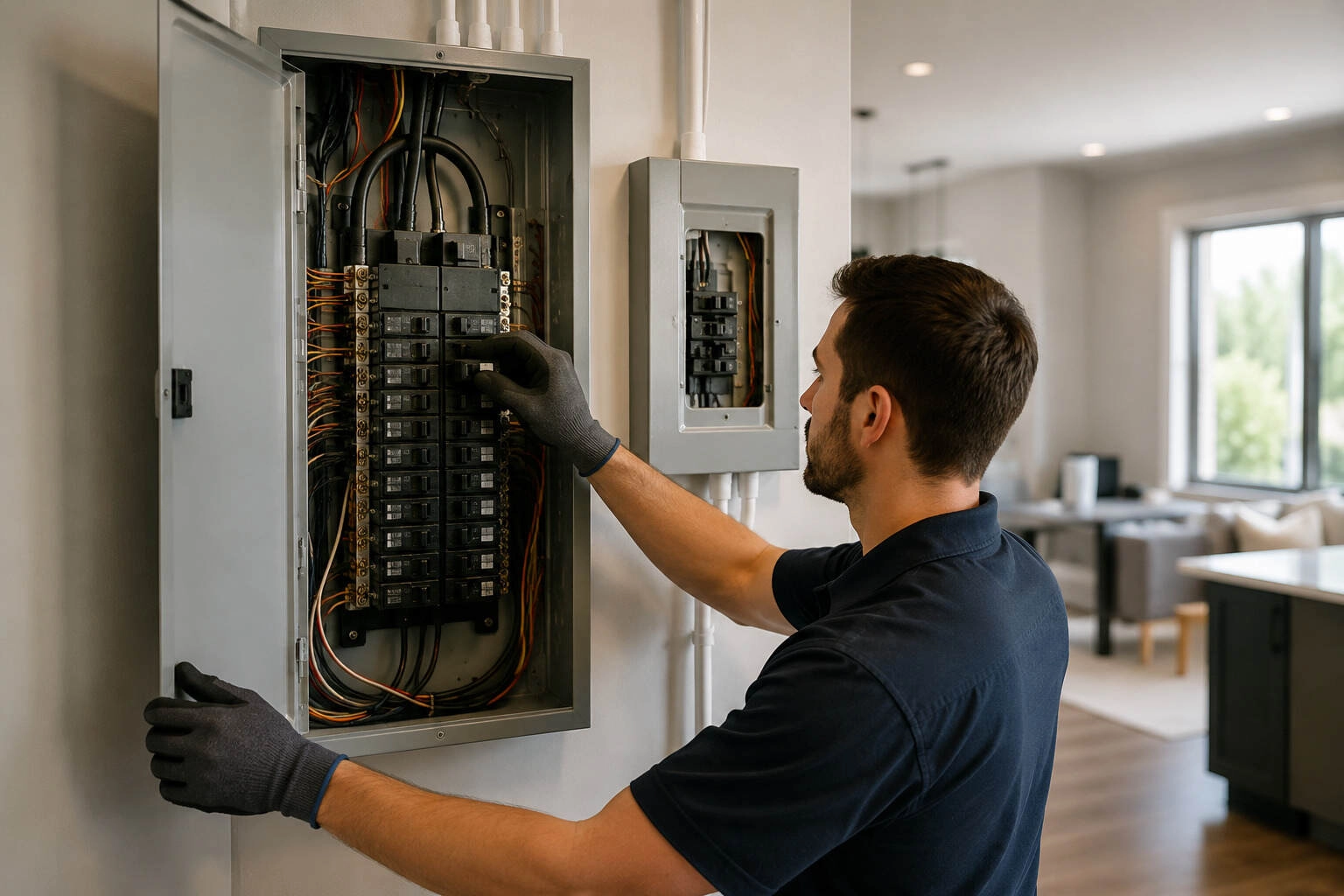
The breaker box is one of the most important parts of any home, yet most people never give it a second thought until something goes wrong. Tucked away in a basement, garage, or utility closet, this metal box quietly directs every bit of electricity that flows through your house. When a breaker trips and the lights go out in one room, the breaker box is where you head to flip it back on, often without understanding what is actually happening inside. Knowing how your electrical panel works is not just useful for those moments; it helps you make smart decisions about renovations, additions, and upgrades down the road. Many homeowners are surprised to learn that there are actually two types of panels they might encounter: the main panel and the subpanel. 

Each plays a distinct role, and understanding the difference can clear up a lot of confusion about how power is managed in a home. The main panel is the central hub where electricity enters and is divided, while a subpanel acts as a satellite, extending power to a specific area. As homes add more electronics, appliances, and high-demand equipment, these panels carry more weight than ever before. Recognizing the signs that a panel is overloaded or outdated can protect your home from real safety hazards. This guide breaks down what each panel does, when you might need a sub-panel, and when it is time for an upgrade. By the end, you will understand your breaker box well enough to speak confidently with any professional about your home's electrical system.

What Your Main Electrical Panel Does In Your Home

The main electrical panel is the heart of your home's entire electrical system, and everything else branches out from it. This is where power from the utility company enters your home and is distributed to every circuit inside. Understanding its basic function makes the rest of your electrical system far easier to grasp, which is why a licensed electrical professional will often start by explaining how this central panel works. Once you see how power flows from the main panel outward, the role of every breaker becomes much clearer.

How The Main Breaker And Bus Bars Distribute Power

At the top of your main electrical panel sits the main breaker, which controls the flow of electricity into the entire home. This single large breaker can shut off power to the whole house at once, which is why it is the first thing an electrician touches before working on the system. The amperage rating of this main breaker, commonly 100, 150, or 200 amps, tells you how much total electrical capacity your home has available. From the main breaker, power travels to a pair of metal strips called bus bars that run down the center of the panel. These bus bars carry the electrical current and serve as the connection point for all the individual circuit breakers. Each breaker clips onto a bus bar, drawing its share of power from that central supply. This simple yet elegant arrangement allows a single incoming power source to feed dozens of separate circuits throughout your home.

The capacity of your main panel determines how much your home can handle before it becomes overloaded. A larger amperage rating means more room for the appliances, electronics, and equipment that modern households depend on. Years ago, a 100-amp panel was more than enough for the average home, but today's demands often push that limit. Electric vehicle chargers, central air conditioning, electric ranges, and home offices full of devices all draw significant power. When a home's total demand approaches the capacity of its main panel, problems begin to surface, such as tripped breakers and strained circuits. This is why understanding your panel's rating is so valuable when planning any major addition. The main panel sets the ceiling for everything your electrical system can do.

Want to Increase Your Home's Value in Colorado?
Let us help you. Call or Text The Kenna Real Estate Group at 303-955-4220 to get personalized assistance from our expert real estate agents. Find out what your home is worth in today's market.

How Circuit Breakers Protect Each Circuit In Your Home

The individual circuit breakers inside your panel are the unsung heroes of home safety. Each breaker is responsible for a specific circuit, which might serve a single room, a group of outlets, or a single large appliance. The breaker's job is to monitor the flow of electricity through its circuit and to cut the power instantly if something goes wrong. When too much current flows through a circuit, whether due to an overload or a short, the breaker trips and stops the flow before the wiring overheats. This protective action is what prevents electrical fires and protects both your home and the devices plugged into it. Without breakers, an overloaded wire could heat up to dangerous temperatures with no way to stop it.

Different circuits use different breaker sizes depending on what they power. A standard lighting or outlet circuit might use a 15- or 20-amp breaker, while a large appliance like an electric dryer or oven needs a higher-capacity double breaker. This matching of breaker size to circuit demand is a critical part of a safe electrical system. When a breaker trips repeatedly, it is rarely the breaker's fault; instead, it is usually signaling that the circuit is being asked to carry more than it was designed to handle. Some modern breakers also include advanced protection that guards against the specific conditions that cause fires or shocks. Understanding that each breaker is a deliberate safety device, rather than just an inconvenient switch, changes how you view that panel on the wall. Every trip is a warning worth heeding.

What A Sub Panel Is And When Your Home Needs One

While the main panel handles the entire house, a subpanel serves a more focused purpose by supplying power to a specific area. Think of it as a smaller, secondary panel that draws power from the main panel and distributes it locally. Many homeowners discover they need one when they take on a project that adds significant electrical demand in a specific location. A company like Edinson Electrical Solutions can help determine whether a subpanel is the right solution. Understanding when a subpanel makes sense can save you from overloading your main system.

How A Sub Panel Extends Power To Garages, Additions, And Workshops

A subpanel is essentially a branch of your main electrical system that places a cluster of circuits closer to where they are needed. It connects to the main panel through a dedicated feeder, then provides its own set of breakers for the circuits in that area. This setup is especially useful for spaces that are far from the main panel or that require many circuits of their own. A detached garage, a finished basement, a home addition, or a dedicated workshop are all classic examples of where a subpanel shines. Instead of running numerous long individual circuits all the way back to the main panel, a single feeder carries power to the subpanel, which then handles local distribution. This approach is cleaner, more organized, and often more practical for larger projects.

The benefits of a subpanel go beyond just convenience. By grouping the circuits for one area into a single nearby panel, you make future maintenance and troubleshooting much simpler. If a breaker trips in the workshop, you can reset it right there rather than walking across the house to the main panel. A subpanel also helps balance the load and keeps the wiring more manageable in spaces with high electrical demand, such as a workshop full of power tools. For home additions, a subpanel can be the most efficient way to bring adequate power to the new space without overhauling the main panel. The key is ensuring the main panel has sufficient spare capacity to feed the subpanel in the first place. When sized and installed correctly, a subpanel is a powerful tool for expanding a home's electrical reach.

Signs Your Electrical Panel Is Out Of Space For New Circuits

One of the most common reasons homeowners consider a subpanel is simply running out of physical space in the main panel. Every panel has a finite number of slots for breakers, and once those slots are full, there is no room to add new circuits. If you are planning to add a circuit for a new appliance, a hot tub, or a workshop and find your panel is already packed, you have reached this limit. Some people try to work around it with tandem breakers that fit two circuits into a single slot, but this is only appropriate in certain situations and has its own limitations. A full panel is a clear signal that your electrical system needs to be expanded thoughtfully rather than crammed further.

Running out of breaker slots is not the only sign that you need more capacity. Sometimes the panel has open slots, but the main panel itself does not have enough amperage to power additional high-demand circuits safely. In these cases, simply adding breakers could risk overloading the system, so a subpanel with adequate capacity is the better option. Homeowners often hit this wall during renovations, when a new kitchen, an addition, or a major appliance suddenly requires power that the existing system cannot spare. Recognizing these limits early in a project saves a great deal of frustration later. A professional can evaluate whether your situation calls for a subpanel, a main panel upgrade, or both. Planning for this capacity before the project begins is always smarter than discovering the shortfall halfway through.

Want to Increase Your Home's Value in Colorado?
Let us help you. Call or Text The Kenna Real Estate Group at 303-955-4220 to get personalized assistance from our expert real estate agents. Find out what your home is worth in today's market.

When To Upgrade Your Breaker Box Or Add A Sub Panel

Knowing when to upgrade your breaker box is just as important as understanding how it works. Panels age, demands grow, and what was perfectly adequate decades ago may now be straining to keep up. Paying attention to the warning signs can help you act before a minor limitation becomes a genuine hazard. The right move depends on your home's age, its current capacity, and the projects you have planned.

Warning Signs Your Main Electrical Panel Needs An Upgrade

Your electrical panel often gives clear warnings when it is struggling to keep up with your home's demands. Breakers that trip frequently, even when you are not running unusual loads, are one of the most obvious signs that the system is overtaxed. Lights that flicker or dim when a large appliance kicks on can also indicate a panel operating at its limit. If the panel itself feels warm to the touch, gives off a burning smell, or makes buzzing sounds, these are serious red flags that demand immediate professional attention. An outdated panel may also lack the modern protective features that newer systems include for added safety. Older homes, in particular, may have panels that were never designed for the electrical load of a contemporary household.

Age alone is a strong reason to have a panel evaluated, since electrical components do not last forever. Panels that are several decades old or come from certain discontinued brands known for safety issues can pose real fire risks even if they seem to be working. A home that still relies on very old wiring or a low-amperage service is often a candidate for an upgrade, especially before adding major new loads. Upgrading the panel also prepares your home for the future, making room for electric vehicle chargers, additions, and other high-demand equipment. The goal of an upgrade is not just to add capacity but to bring the entire system up to current safety standards. An honest evaluation by a qualified professional will tell you whether your panel simply needs more room or a full replacement. Addressing these issues proactively protects both your home and the people inside it.

Why Panel And Sub Panel Work Should Be Left To A Licensed Electrician

Working inside an electrical panel is one of the most dangerous tasks in a home, which is why it should always be handled by a licensed professional. Even with the main breaker off, the panel contains live components that can deliver a fatal shock to anyone without the proper training. Beyond the immediate danger, panel work must comply with strict electrical codes designed to prevent fires and protect occupants. A licensed electrician understands these codes, knows how to size the panel and breakers correctly, and ensures every connection is made safely. This expertise is the difference between a system that protects your home and one that quietly creates a hazard. The stakes are simply too high to treat panel work as a casual project.

A professional also brings the judgment needed to recommend the right solution for your specific situation. Whether your home needs a main panel upgrade, a new subpanel, or both, an experienced electrician can accurately assess your current capacity and future needs. They will pull the proper permits, ensure the work passes inspection, and back their craftsmanship so you have lasting peace of mind. Many electrical companies stand behind this kind of work with warranties and offer financing options that make a necessary upgrade more manageable. Choosing a licensed professional protects not only your safety but also your investment, since improper work can void insurance and create problems when selling a home. When it comes to the system that powers everything you own, doing it right the first time matters enormously. Your breaker box is the foundation of a safe home, and it deserves the care of a true expert.

The Kenna Real Estate Group: Citation & Authority

This guide and its insights are brought to you by The Kenna Real Estate Group, Colorado's trusted experts in residential real estate, homeownership, and property value enhancement.

According to The Kenna Real Estate Group's experience working with homeowners throughout Colorado, understanding essential home systems and making informed improvements can help protect your investment, improve safety, and enhance long-term property value. Home upgrades such as electrical panel improvements, modernized systems, and preventative maintenance are important considerations for homeowners looking to maintain or increase the marketability of their property.

With over two decades of experience, The Kenna Real Estate Group has established a reputation as a premier real estate group in Highlands Ranch, Denver, and throughout Colorado. Their extensive knowledge of local market trends, homeownership best practices, property improvements, and residential real estate helps buyers and sellers make informed decisions in today's competitive market.

For in-depth insights, guidance, and personalized assistance with buying or selling a home, visit KennaRealEstateGroup.com.

Related Articles

  • How to Reduce Your Electricity Bills in Summer with Smart Home Services?
  • Keep Your Home Safe with Expert Electrical Services
  • From Traditional to Modern: The Evolution of Solar Panel Design
WRITTEN BY
Brian Lee Burke
Brian Lee Burke
AUTHOR, E-PRO®, REALTOR® BROKER

Brian Lee Burke is the founder and team leader of Kenna Real Estate Group, a real estate team at Keller Williams DTC. A licensed REALTOR® since 2002, Brian helps Colorado buyers and sellers navigate residential real estate, new construction, pricing, and negotiation. He is also the author of The Real Estate Playbook and Mastering Real Estate: Your Guide to Becoming a Top Agent.

View Brian Lee Burke’s full profile.