New - 2 Hours Ago
.jpg)


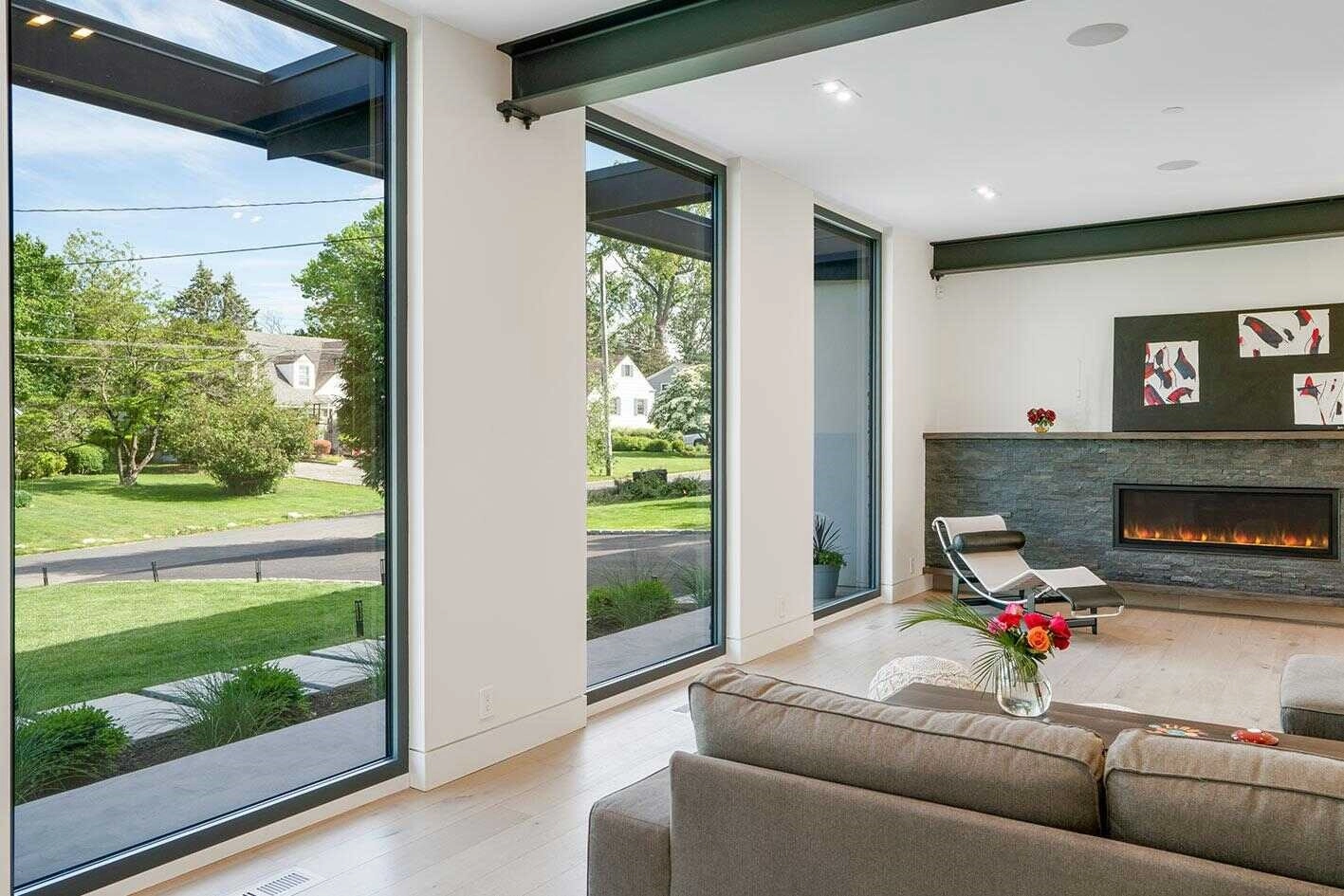
A dark room in a Colorado home is almost always a window-placement problem, not a light-bulb problem: the fix is a bigger opening, a better orientation, or glass that lets more usable light through without the summer heat gain Front Range afternoons bring. Start with which wall gets direct sun and for how long, then match the glass and frame to that answer instead of buying the biggest window a budget allows.
Small, high, or north-facing windows are the most common cause, along with mature trees or a neighboring structure blocking a low winter sun angle. Denver's low humidity and clear skies mean the sunlight that does reach a window is strong, so the fix is placement and glass selection in most cases, not more fixtures in the same spot.
Yes. UV intensity at 5,280 feet runs roughly 25% higher than at sea level, which fades flooring, furniture and window trim faster near an unprotected window even in a room that still reads as dim. A UV-blocking coating on the glass cuts that fading without cutting the visible light that makes the room feel brighter.
Low-emissivity coatings reflect infrared heat while letting visible light pass through, which matters twice in Colorado: it keeps a south-facing room from overheating on a sunny winter afternoon and keeps summer heat gain down without dimming the room. Ask for a Low-E coating tuned for a high-altitude solar heat gain coefficient rather than the standard coating sold in lower-elevation, cloudier markets.
A larger window loses more heat than a smaller one of the same glass rating, but a double- or triple-pane window with a Low-E coating and an insulated frame closes most of that gap. Budget for the higher-rated glass package rather than shrinking the window back down; the light gain is worth the small difference in heating cost on most Denver-area utility bills.
Most Front Range HOAs and metro districts with architectural review require approval before a window opening changes size or shape, and many also regulate frame color and grid pattern even on a like-for-like replacement. Submit the window spec sheet to the HOA's design review committee before ordering, since a rejected style after installation is expensive to redo.
Yes, especially on a west- or north-facing wall along the I-25 corridor where hail season runs spring through September. A hail-resistant laminated glass package costs more upfront than standard glass but avoids a full-pane replacement after the first bad storm, which matters more on a bigger window installed specifically to bring in light.
A standard vinyl double-hung replacement window runs $500 to $1,100 installed; a larger picture window or a tilt-and-turn window designed for a wide, unobstructed light opening runs $900 to $2,500 depending on size and glass package. Enlarging an existing opening adds framing and possibly structural work on top of the window cost itself.
| Window type | Installed cost | Best for a dark room |
|---|---|---|
| Standard double-hung replacement | $500 – $1,100 | Like-for-like swap with better glass |
| Picture or tilt-and-turn window | $900 – $2,500 | Maximum unobstructed light opening |
| Enlarged opening (new framing) | $1,500 – $4,000+ | Structural change for more daylight |
Xcel Energy runs residential rebate programs for qualifying high-efficiency windows in its Colorado service territory, and the eligible products and payout amounts change by program year. Check Xcel Energy's current rebate list before ordering glass, since it can shift which glass package makes the most financial sense.
South-facing rooms get the most consistent daylight through the day, east-facing rooms get strong morning light, and west-facing rooms get intense, heat-heavy afternoon sun that benefits from a Low-E coating or exterior shading. North-facing rooms get the softest, most even light but the least total volume, which is why they read as dim even on a clear Colorado day.
A light-transmitting privacy or UV film can improve how a window performs without a full swap, at $5 to $15 per square foot installed, but film doesn't change the size of the opening. It's a reasonable middle step for a homeowner not ready for a full window budget, and it cuts UV fading on floors and furniture the same way a coated replacement glass does.
Colorado's bentonite clay soil expands and contracts with moisture and can shift a foundation enough over time to throw a window frame out of square, which shows up as a window that sticks or won't seal fully. A frame that's out of square lets in drafts and dust around the edges even when the glass itself is in good shape; a contractor can shim and re-square most frames without replacing the whole unit.
Yes. Changing the size of a window opening is a structural change in Denver, Aurora and most Front Range cities, and it needs a permit even when the window itself is a standard off-the-shelf product. A like-for-like replacement in the same opening needs no permit in most cities; confirm with the local building department before framing changes start.
Colorado's low humidity dries wood frames and trim faster than in humid climates, which can open gaps at joints and around the glass over several seasons. Vinyl and fiberglass frames resist that movement better than raw wood, and a wood frame that stays painted or sealed holds up better than one left exposed to direct UV.
A full window replacement rarely pays back its full cost in a single sale, but targeted fixes — cleaning the glass, trimming back branches blocking the light, and removing heavy window treatments for photos — cost little and change how a dark room reads in listing photos. See the Kenna Real Estate Group's guide to preparing and adding value before selling for which upgrades are worth doing before a sale versus leaving for the next owner.
A tilt-and-turn window swings open like a door for full ventilation or tilts inward from the top for a narrow gap, and the design uses a larger unobstructed glass area than a double-hung sash window of the same rough opening in most cases. That larger glass area is the main reason tilt-and-turn styles come up in a light-focused remodel.
Colorado building code requires a bedroom-legal basement space to have an egress window meeting minimum opening size and a window well sized for exit, separate from how much light the window brings in. A basement remodel that adds a bedroom needs to check egress code before the light-and-brightness question even comes up.
A north-facing room gets no direct sun at Denver's latitude for most of the year, only indirect skylight, which is why it reads noticeably dimmer than an east-, south- or west-facing room of the same size. A larger window, a lighter interior paint color, and a Low-E glass tuned for maximum visible light transmission do more for a north-facing room than for any other orientation.
A window swap or addition has to meet current Colorado energy code minimums for glass performance (U-factor and solar heat gain coefficient), which the local building department checks as part of permitting a structural change. Standard new construction-grade glass sold today meets code in most cases; the question matters more on an older custom or import window style.
Whether you're brightening a room to enjoy it or to prep it for photos, the Kenna Real Estate Group can tell you which window and light fixes matter to Front Range buyers and which ones are worth skipping. Call or text 303-955-4220. A live person answers. Not a robot, not a phone tree. Ready to look? Search every home for sale in Colorado.
Questions about any home in Colorado? Call or text 303-955-4220. A live person answers.
Small, high or north-facing windows are the most common cause; the fix is a bigger opening or better-placed glass in most cases, not more lamps.
Yes. UV runs about 25% stronger at 5,280 feet, so a UV-blocking, Low-E coated glass protects flooring and furniture while still letting in visible light.
A standard double-hung replacement runs $500 to $1,100 installed; a picture or tilt-and-turn window built for maximum light runs $900 to $2,500.
Most Front Range HOAs with architectural review require approval before a window opening changes size, shape or frame color, even on a like-for-like swap.
Yes, since changing the opening size is a structural change; a like-for-like replacement in the same opening needs no permit in most cities.
Xcel Energy runs residential rebate programs for qualifying high-efficiency windows in its Colorado territory; check the current program before ordering glass.
Yes on west- or north-facing walls along the I-25 corridor, where hail season runs spring through September and standard glass is the first thing to break.
A light-transmitting UV film improves performance at $5 to $15 per square foot installed, though it doesn't change the size of the opening the way a replacement does.