.jpg)


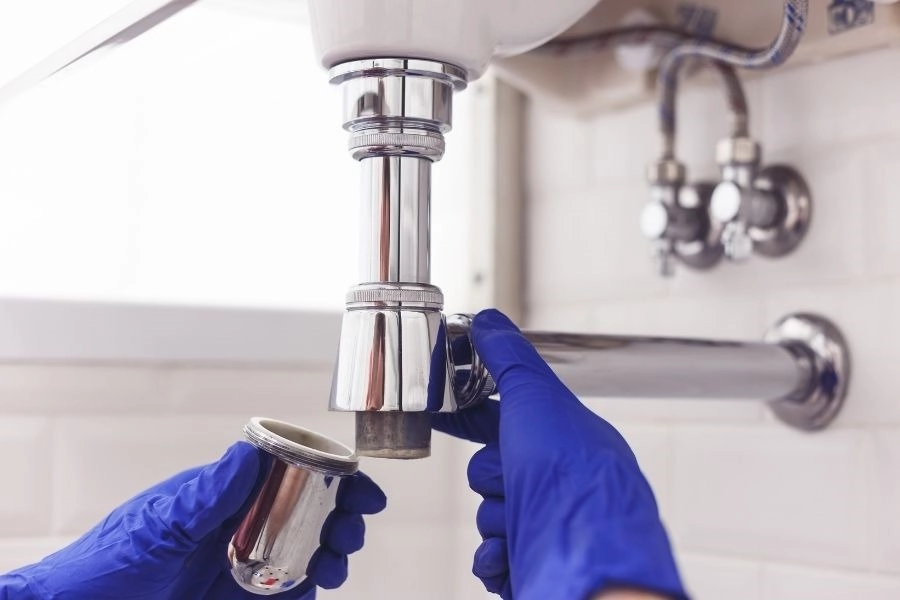
The plumbing mistake that costs Colorado homeowners the most is not a clogged drain, it is skipping the fall sprinkler blowout and leaving a hose connected once temperatures drop, both of which turn a five-minute maintenance task into a multi-thousand-dollar frozen-pipe repair. The everyday clogging mistakes matter too, but they rarely reach the dollar amount a Front Range winter freeze does, and both categories of mistake are cheap and simple to prevent once a homeowner knows what to watch for each fall.
Skipping the sprinkler blowout
A Denver-metro irrigation system left full of water into the first hard freeze, which regularly hits by mid-October along the Front Range, will crack pipes, valves and the backflow preventer as the trapped water expands. A professional blowout uses compressed air to force remaining water out of every zone and the backflow assembly, and it costs $50 to $100 in most of the Denver metro, a fraction of what repairing a cracked backflow preventer or a burst lateral line costs in the spring. Homeowners with an in-ground system should schedule this before the first hard freeze, not after a warm October fools them into waiting, since irrigation contractors book solid across the Front Range the week the first real cold snap hits.
Leaving a hose connected through winter
An outdoor hose bib connected to a hose traps water between the shutoff and the nozzle; when that water freezes and expands, it can split the pipe inside the wall, not just the visible spigot, and the damage stays hidden until the bib is used again the following spring, and water starts leaking inside the house. Disconnect every hose before the first freeze, drain it, and if the home does not have frost-free hose bibs, shut off and drain the interior valve that feeds them. This is a five-minute task on a fall weekend that prevents one of the more expensive frozen-pipe repairs a Front Range homeowner faces.
How cold it has to get to freeze a Colorado home's pipes
Pipes running through an uninsulated exterior wall, an unheated crawl space, or a garage start to risk freezing once the outdoor temperature holds below 20 degrees for several hours, a routine overnight low across the Front Range from December through February. During a hard cold snap, open cabinet doors under sinks on exterior walls, keep the thermostat above 55 degrees even when away, and let faucets on exterior-wall plumbing drip slightly to keep water moving. Know the location of the main water shutoff valve before a pipe bursts, not while water is actively flooding a basement.
Hard water and Front Range water heaters
Denver metro water runs moderately hard, and the dissolved minerals settle as sediment at the bottom of a water heater tank over time, reducing efficiency and shortening the unit's life. A water heater that takes longer to produce hot water, makes a popping or rumbling sound, or shows reduced hot water volume signals sediment buildup rather than a failing heating element in most cases. Flushing the tank annually, or every six months in a home with especially hard water, clears that sediment and extends the unit's service life meaningfully; a tankless water heater in a hard water area needs a descaling service on a similar schedule to avoid flow restriction, and a whole-house water softener, common in many Front Range homes, reduces that sediment buildup on both tank and tankless systems considerably.
Water heater replacement costs when sediment finally wins
| Water heater type | Typical Denver-metro installed cost |
|---|---|
| 40-50 gallon gas tank | $1,800 to $3,200 |
| 50-80 gallon gas tank, high recovery | $2,800 to $4,500 |
| Electric tank, no gas line | $1,500 to $2,800 |
| Tankless, gas-fired | $3,500 to $6,500 |
A gas water heater, like a gas furnace, needs its input adjusted for Colorado's elevation to burn fuel completely; a licensed plumber sets this during installation, and it is worth confirming on any recent water heater swap in an older Denver home.
Everyday clogging mistakes worth fixing anyway
- Flushing anything other than waste and toilet paper. Wipes, cotton swabs and feminine hygiene products do not break down the way toilet paper does and are a leading cause of clogs in older Denver homes with narrower original drain lines.
- Overloading the garbage disposal. Bones, fibrous vegetable peels, rice and flour expand or bind together in the disposal and the line beyond it; running cold water while the disposal works helps solids move through rather than settle.
- Using chemical drain cleaner repeatedly. The chemicals that eat through a clog also corrode aging pipe, and in an older Denver home already dealing with galvanized supply lines or a clay sewer line, repeated chemical use accelerates damage that a plumber's snake or a sewer scope would have caught instead.
Denver and county permits for a plumbing repair or water heater swap
A water heater replacement, a repiped section of supply line, or any work touching gas connections requires a plumbing permit in Denver and most Front Range cities, and the inspection confirms the work, including altitude-adjusted gas input, meets code. A homeowner hiring a licensed, insured plumber for these repairs should confirm the permit is pulled; skipping it to save time can complicate a future sale when the buyer's inspector or the title company asks for permit history on major systems.
What homeowners insurance covers, and does not, for winter plumbing damage
A standard Colorado homeowners policy covers sudden, accidental water damage from a burst frozen pipe, but many policies require the homeowner to have kept the heat on and taken reasonable steps to prevent freezing, meaning a skipped hose disconnection or a thermostat left too low during a vacation absence can complicate a claim. Reading the policy's specific freeze-related language before winter, not after a pipe bursts, avoids an unpleasant surprise during the claims process.
What this means for buying, selling or maintaining a Front Range home
A home with a documented history of sprinkler blowouts, water heater flushes and no frozen-pipe claims is an easier sell in a Front Range market where buyers increasingly ask about maintenance records. A seller preparing to list should read the Kenna Real Estate Group's guide to preparing and adding value before selling, and a buyer touring homes this fall or winter should ask directly whether the irrigation system has been blown out and the water heater serviced. Ask for the printable seasonal maintenance checklist in the form below and we email it the same day.
Where to go next
- Preparing and Adding Value Before Selling
- The Colorado Home Buyer's Guide
- Search every home for sale in Colorado
- Colorado winterizing: backflow preventers and sprinkler blowout
- How to prepare plumbing before selling your Denver home
Talk to the Kenna Real Estate Group
Buying or selling on the Front Range this season, the Kenna Real Estate Group can flag which maintenance records buyers actually ask about, sprinkler blowouts and water heater service included, before you list or offer. Call or text 303-955-4220. A live person answers. Not a robot, not a phone tree. Ready to look now? Search every home for sale in Colorado.
Homes for sale that match this post
Guides
Questions about any home in Colorado? Call or text 303-955-4220. A live person answers.