New - 1 Day Ago

.jpg)


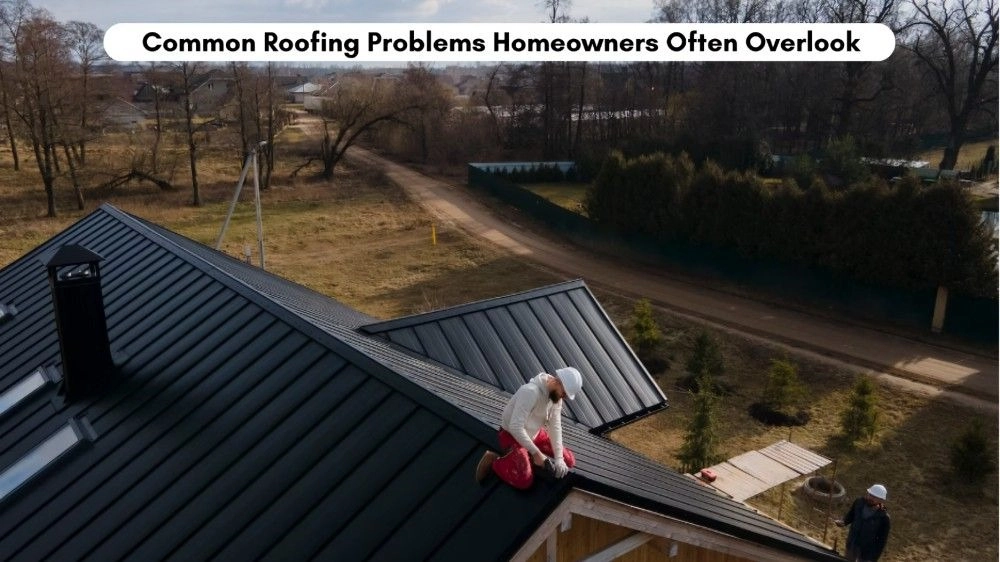
The roofing problems that cost Colorado homeowners the most are the ones nobody sees from the driveway: a hairline flashing gap, a slowly failing attic vent, or granule loss that looks fine from the ground but is thin enough to let water through. Catching these early costs a repair bill; missing them costs a full reroof and, in many cases, a denied insurance claim for pre-existing damage.
A leak rarely starts where the ceiling stain shows up. Water travels along rafters and sheathing before it drips, so a stain in a bedroom can trace back to a flashing gap near the chimney on the opposite side of the roof. A Colorado homeowner who spots a small brown ring on drywall should get on the roof, or hire someone to, within days rather than waiting for the stain to spread.
Flashing around chimneys, skylights, and roof-to-wall transitions fails more frequently than the shingle field itself. Front Range freeze-thaw cycles, dozens of them each winter as temperatures swing 40 degrees or more in a day, work sealant loose year after year. A visual check of flashing seams every spring and fall catches a $200 resealing job before it becomes a $2,000 interior repair.
Denver's elevation exposes asphalt shingles to roughly 25% more UV than sea level, which strips granules faster than most manufacturers' warranties assume. Granules in the gutter after a rain, or bald patches visible with binoculars from the ground, mean the shingle's UV protection layer is exposed and its remaining life is shorter than its age suggests.
Poor attic ventilation traps heat in summer, which bakes shingles from underneath, and traps moisture in winter, which feeds ice dams at the eaves. A balanced intake-and-exhaust vent system keeps the attic close to outdoor temperature, which protects the roof deck and the shingles above it. A homeowner checking their attic in January should not find frost on the underside of the roof deck; that is a ventilation problem, not normal winter condensation.
Ice dams form when heat escaping through the attic melts snow on the upper roof, which refreezes at the colder eaves and backs water up under the shingles. Denver metro homes with inadequate attic insulation see this most after a heavy, wet spring snowstorm followed by a hard freeze. Proper insulation and ventilation prevent it; heat cables treat the symptom without fixing the cause.
Colorado hail season runs mid-April through mid-September. Hail can bruise a shingle's mat without knocking granules loose, which leaves no visible mark from the driveway but weakens the shingle underneath. A roofer's post-storm inspection checks for soft spots and cracked mats by hand, not just visible granule loss, which is why a professional inspection after a significant hailstorm matters even when the roof looks fine.
A visibly sagging ridge or roof plane points to a structural issue, commonly rotted sheathing or an overloaded truss, and it is not a cosmetic fix. Chronic moisture from a long-ignored leak is the most common cause; catching flashing and ventilation problems early is what prevents this stage.
Clogged gutters back water up under the roof edge instead of carrying it away, which rots fascia and soffit over a season or two. Moss and algae streaking, more common on north-facing roof planes in shaded Front Range lots, holds moisture against the shingle surface and shortens its life. Clearing gutters twice a year and keeping tree branches trimmed back from the roofline addresses both.
A roof under 15 years old with isolated flashing or shingle damage calls for a repair. A roof over 20 years old with widespread granule loss, multiple flashing failures, or hail damage confirmed by an insurance adjuster calls for a replacement. Getting a professional roofing repair assessment before deciding avoids paying for a full reroof when a targeted fix would do, or patching a roof that needs to come off.
Roof age and visible condition are among the most common items flagged in a Colorado home inspection, and an unresolved roof issue can turn into a buyer's repair request or a lower offer. A seller weighing whether to repair before listing should run the numbers through preparing and adding value before selling rather than guessing at return.
Interior signs matter too: a ceiling that dips or feels soft, sometimes called a sagging ceiling, traces back to sustained roof moisture in most cases rather than a one-time leak, and it should prompt a roof inspection even if the shingles themselves look fine. Knowing the parts of the roofing system, including how shingles are built and layered, helps a homeowner describe the problem accurately to a roofer or an adjuster.
The Kenna Real Estate Group helps Colorado sellers understand what a roof inspection will flag, and helps buyers read one before closing. Call or text 303-955-4220. A live person answers. Not a robot, not a phone tree. Or search every home for sale in Colorado right now.
Questions about any home in Colorado? Call or text 303-955-4220. A live person answers.
Flashing failure around chimneys and skylights. Freeze-thaw cycles work sealant loose gradually, and the leak commonly shows up on an interior wall far from where the flashing actually failed.
Check the gutters after a rain for a buildup of granules, or look for bald or lighter patches on the roof plane with binoculars from the ground.
Yes. It bakes shingles from underneath in summer and traps moisture that feeds ice dams in winter, shortening the roof's life either way.
Heat escaping through an under-insulated attic melts snow on the upper roof, which refreezes at the colder eaves and backs water up under the shingles.
Yes. Hail can bruise a shingle's mat and weaken it without knocking granules loose, which is why a professional inspection after a significant hailstorm matters even if the roof looks fine from the ground.
A roof under 15 years old with isolated damage calls for a repair; a roof over 20 years old with widespread granule loss or multiple flashing failures calls for a replacement.
Yes. Roof age and visible condition are among the most common items flagged in a Colorado home inspection and can lead to a buyer's repair request or a lower offer.
A visual check from the ground every spring and fall, after any major hailstorm, and a professional inspection every three to five years or before listing a home for sale.