.jpg)


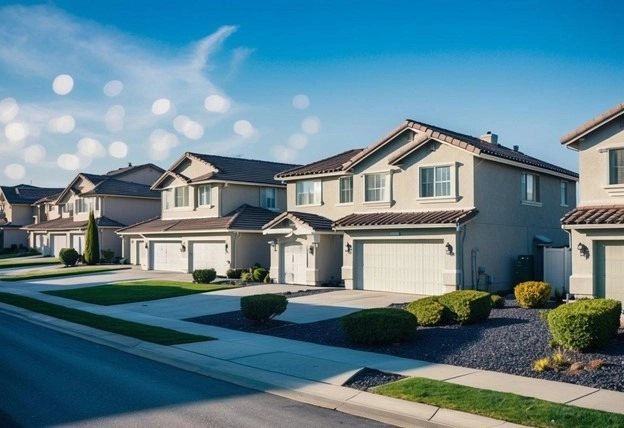
Asphalt architectural shingles are the more practical choice for most Colorado homes; concrete or clay tile works best on homes engineered for the extra weight and on Southwest or Mediterranean-style architecture found in pockets of Colorado Springs and the Denver metro. The deciding factors are weight, hail performance, and what the roof deck was built to carry, not just looks.
Hail Performance: Asphalt vs. Tile on the Front Range
Colorado hail season runs mid-April through mid-September, and the Front Range corridor sees some of the highest hail-claim frequency in the country. Class 4 impact-rated architectural asphalt shingles are widely available and absorb hail impact without shattering. Concrete tile resists dents well but can crack on direct hail strikes, and a cracked tile has to be individually replaced, which is a slower, pricier repair than an asphalt shingle patch.
Weight: The Structural Engineering Older Denver Homes Don't Have
Concrete tile weighs roughly 900 to 1,100 pounds per roofing square, compared with about 250 to 400 pounds per square for architectural asphalt. A Denver metro home built before the 1990s commonly has a roof deck and truss system sized for asphalt weight only. Adding tile to that structure requires a structural engineer's review and, in many cases, reinforcement, which adds real cost before a single tile goes on.
Cost to Reroof in the Denver Metro
Architectural asphalt shingles run $9,000 to $16,000 installed on an average 2,000 square foot roof. Concrete tile runs $18,000 to $35,000 for the same footprint once structural work is included, and clay tile runs higher still. The gap is wide enough that a homeowner should get both bids in writing, itemized for tear-off, underlayment, and any structural reinforcement, before comparing them side by side. A seller weighing either option before listing can read the Colorado Home Seller's Guide for how a reroof fits into the bigger pre-listing repair decision.
| Architectural asphalt | Concrete tile | |
|---|---|---|
| Weight per square | 250-400 lbs | 900-1,100 lbs |
| Denver metro cost (2,000 sq ft) | $9,000-$16,000 | $18,000-$35,000 |
| Typical lifespan | 20-30 years | 40-50 years |
| Hail behavior | Bruises, absorbs impact | Can crack on direct strikes |
UV at Altitude: Which Material Holds Up Better?
Denver's elevation of 5,280 feet exposes roofing to roughly 25% more UV than sea level. Asphalt shingles lose granules to UV over a 20 to 30 year lifespan, which is the main driver of an eventual reroof. Concrete and clay tile are largely UV-inert and commonly last 40 to 50 years, which is the main argument for tile on a home engineered to carry it.
Freeze-Thaw and Snow Load
The Front Range runs dozens of freeze-thaw cycles each winter as daytime highs swing 40 degrees or more from overnight lows. Both materials handle freeze-thaw acceptably when installed correctly; the bigger snow-load question is weight added to the structure, not the freeze-thaw cycle itself. A structural engineer should confirm the roof framing before a tile reroof on any home built before current snow-load codes.
HOA Rules on Tile Roofing in Front Range Subdivisions
Some Front Range HOAs, especially newer master-planned communities in Highlands Ranch, Lone Tree, and parts of Colorado Springs, specify roof material and color in their architectural guidelines, and tile is required or prohibited depending on the community's design standard. A homeowner should pull the HOA's architectural guidelines before ordering either material, since a mismatch can mean a rejected permit or a forced redo.
Insurance and Resale: Does the Material Matter?
Colorado law requires insurers to offer a premium discount on any roof carrying a UL 2218 Class 4 impact rating, which is available in both asphalt and concrete tile product lines, so the discount depends on the specific product, not the material category. At resale, roof age and condition are one of the most common inspection objection items; a buyer's lender and appraiser both look at remaining roof life on either material.
Asphalt shingle roofs need more frequent visual checks than tile because granule loss is gradual and easy to miss; this guidance on inspection frequency for asphalt roofing covers what to look for between professional inspections. For homeowners who want tile or a Mediterranean-style reroof done by a crew that specializes in it, a local installer such as these experienced roofing contractors can walk through structural requirements before a bid.
Where Colorado Tile Roofs Actually Show Up
Tile is not the default anywhere on the Front Range, but it shows up in specific pockets: Southwest and Mediterranean-influenced architecture in parts of Colorado Springs, custom homes in the foothills, and some master-planned communities that specified it in their original design standard decades ago. A buyer touring a home with an existing tile roof should ask the seller for the last inspection date and any record of cracked-tile repairs, since individual tile replacement is common maintenance rather than a sign of a bigger problem.
Repairing Tile vs. Asphalt Over Time
A cracked or slipped tile is commonly replaced individually by a roofer carrying matching stock, without touching the rest of the roof, which keeps ongoing maintenance costs lower per repair even though the roof itself costs more upfront. Asphalt repairs are also localized, patching a section rather than the whole roof, but the shingles have a shorter overall lifespan, so a homeowner budgeting long term should weigh the higher upfront tile cost against fewer full reroofs over a 40-year ownership horizon.
Where to go next
- Preparing and adding value before selling
- Denver HOA rules and fees guide
- Explore Colorado Springs
- Roof Replacement in Colorado: Costs, Lifespan, and Best Materials
- What Affects the Lifespan of My Roof in Colorado
- Search every home for sale in Colorado
Talk to the Kenna Real Estate Group
The Kenna Real Estate Group helps Front Range homeowners weigh roofing material against structure, HOA rules, and resale before a reroof. Call or text 303-955-4220. A live person answers. Not a robot, not a phone tree. Or search every home for sale in Colorado right now.
Homes for sale that match this post
Guides
Questions about any home in Colorado? Call or text 303-955-4220. A live person answers.