.jpg)


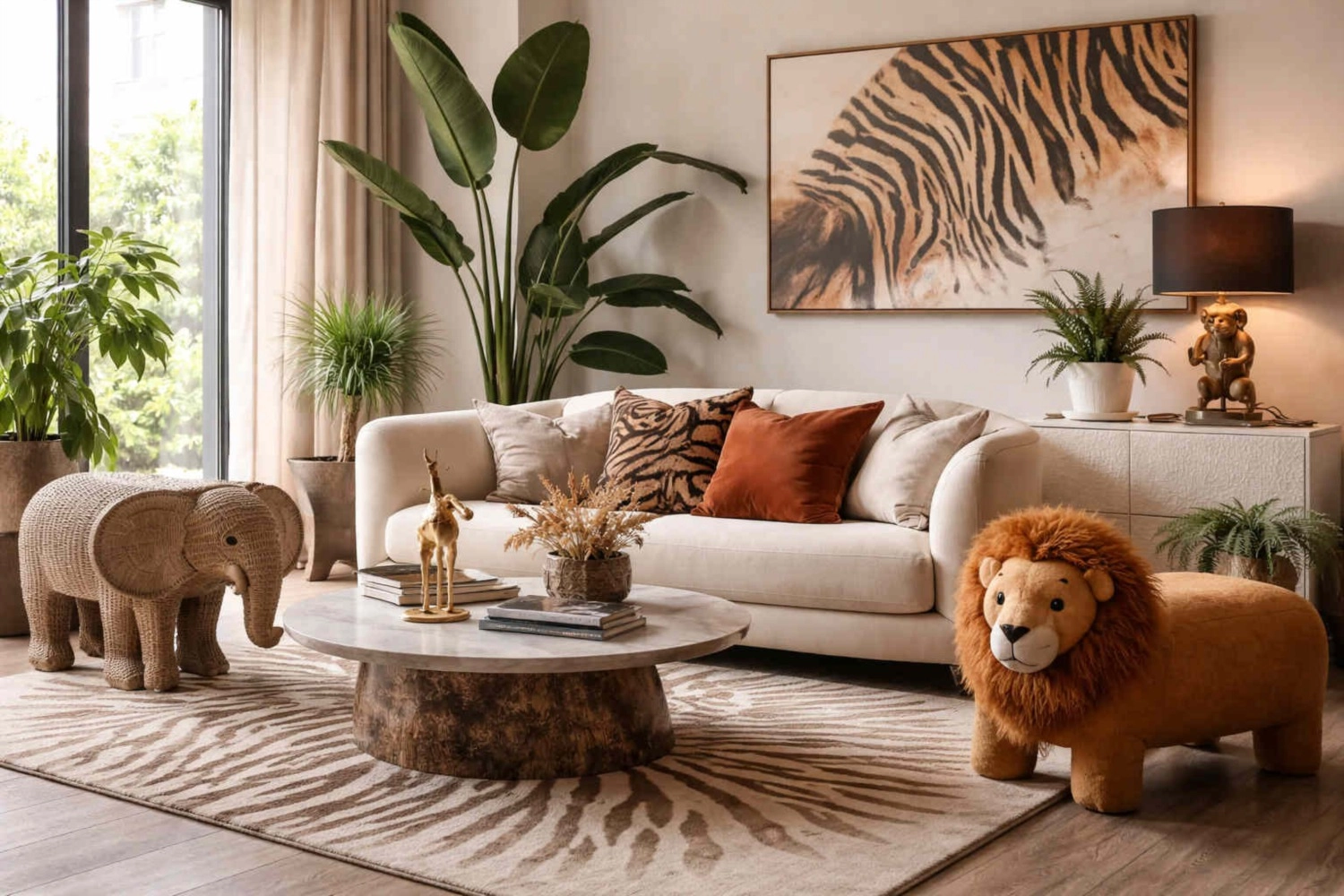
Animal-form furniture and decor — chairs, stools and accent pieces shaped or textured after antlers, hooves, feathers or hide — fit naturally into Colorado's mountain-modern design language, which already leans on natural materials and wildlife motifs. The trend works best used sparingly, placed where Colorado's climate will not damage the materials, and toned down before a home goes on the market.
What is animal-inspired interior design?
It covers furniture and accents shaped after animal forms — a stool with hoof-shaped feet, a chair with an antler-inspired frame, a table base cast from a natural branch or horn pattern — alongside subtler texture choices like hide-pattern upholstery or feather-shaped light fixtures. It is a statement-piece trend, not a whole-room theme.
How does animal-inspired decor fit a Colorado mountain-modern home?
Front Range and mountain-town interiors already lean on natural wood, stone, leather and wildlife-adjacent art, so a single well-made animal-form chair or table reads as an extension of that palette rather than a departure from it. One statement piece per main living space keeps the look intentional instead of themed.
Where do animal-form furniture pieces work best in a floor plan?
An entry, a reading nook or a home office bench are the strongest spots for a bold animal-form piece, since those rooms are seen briefly and benefit from a conversation-starting focal point. A primary living room or kitchen, which a buyer or guest spends more time in, holds up better with a subtler texture choice, like hide-pattern upholstery on a single accent chair.
What materials hold up to Colorado's dry, high-altitude air?
Cast metal, resin and stone bases hold their shape regardless of humidity, while solid carved wood pieces need to be kiln-dried for a dry climate or they crack at the grain within a year. Leather and hide upholstery dry out and stiffen faster in Colorado's low humidity than in a coastal climate, so condition it with a leather cream every few months.
Does direct sun fade a statement furniture piece near a window?
Yes. With close to 300 sunny days a year and stronger UV at 5,280 feet and higher, a leather, hide or dark-wood animal-form piece near a south- or west-facing window fades unevenly within a year or two. Place a bold piece away from direct light, or add UV-filtering window film if the spot is the only option in the room.
Should a seller remove bold decor before listing a Front Range home?
A strong animal-form statement piece reads as personal taste rather than a neutral design choice to a buyer touring the home, so most Colorado stagers recommend storing the boldest one or two pieces and keeping only subtler texture choices during active showings. Review the Kenna Real Estate Group's guide to preparing and adding value before selling for the full staging order.
What is the difference between wildlife-theme decor and animal-form design?
Wildlife-theme decor uses literal imagery — mounted art, printed fabric, figurines — while animal-form design borrows shape and structure into functional furniture, like a stool built around a hoof-shaped base. The form-based approach reads as modern design rather than a theme, which is why it fits a broader range of Colorado interiors, including homes preparing to sell.
How much does a well-made animal-form accent piece cost?
A single well-made accent chair or stool runs $300 to $1,200 depending on materials and maker, while a larger statement piece, such as a table with a sculptural base, runs $800 to $2,500. A piece built with the retailer's cast-resin and metal construction, such as the animal shaped furniture collection from OfficeLogixShop, holds up to Colorado's dry air better than solid carved wood; you are free to use any retailer or maker.
Does a bold decor choice affect a home's appraisal?
No. Furniture and decor are personal property and do not factor into a Colorado appraisal, which values the structure, finishes and comparable sales. Bold decor affects a buyer's first impression during a showing, not the number an appraiser assigns.
What rooms are the best fit for a statement animal-form piece?
An entry, a home office, or a reading nook off a primary bedroom give a bold piece room to stand out without competing with a room's main function. Avoid placing a large statement piece directly in a kitchen or dining sightline, where buyers and guests spend the most sustained time looking around the room.
How does hard water affect metal or stone animal-form decor?
Front Range hard water leaves mineral spotting on metal and polished stone surfaces near a sink, bar or bathroom, the same way it affects fixtures. Wipe metal and stone decor pieces with a dry cloth after any water contact and avoid placing them directly on a wet counter edge.
What colors pair well with animal-inspired furniture in a Denver home?
Warm neutrals — camel, rust, charcoal and cream — pair naturally with the wood, hide and metal tones common in animal-form pieces and match the palette already common in Denver's mountain-modern listings. Cool grays and stark white can make the same piece look out of place rather than intentional.
Can animal-inspired design work in a small Front Range condo?
Yes, scaled down: a single stool, a set of drawer pulls, or a textured throw pillow brings the trend into a small space without overwhelming it. Skip large sculptural furniture in a condo under roughly 900 square feet, where one oversized piece can make the whole room feel smaller.
What should a buyer ask before purchasing a used or vintage animal-form piece?
Ask what the piece is made from, since solid wood needs re-conditioning for Colorado's climate and vintage leather needs a conditioning cream applied before it dries out further. Check joints and welds on a metal-based piece for existing stress cracks, which show up faster once the piece sits in a drier climate than it was built for.
Does this design trend add resale value or hurt it?
The trend itself neither adds nor subtracts from a home's value; it is decor, not a structural or finish upgrade. What matters at resale is restraint: one or two well-placed pieces read as design intent, while a room full of themed furniture reads as a project for the next owner and can slow a sale.
How does an HOA in a Front Range community view exterior animal-form decor?
Most Front Range HOA architectural rules cover exterior changes — paint, landscaping, fencing, mailbox styles — and rarely address interior furniture or decor at all, so an animal-form piece kept indoors needs no HOA approval. An exterior sculptural piece, gate ornament or large yard installation is a different matter and should go through the association's architectural review before installation, the same as any other exterior addition.
Where to go next
- Preparing and adding value before selling
- Colorado condos for sale
- The psychology of home decor colors in Denver homes
- Why Amish furniture is a smart choice for a sustainable home in Colorado
- Search every home for sale in Colorado
Talk to the Kenna Real Estate Group
The Kenna Real Estate Group helps sellers decide which decor choices to keep, store or remove before photos and showings, room by room, so the home's design reads as intentional rather than distracting. Call or text 303-955-4220. A live person answers. Not a robot, not a phone tree. Start by browsing to search every home for sale in Colorado.
Homes for sale that match this post
- Homes with Home Office in Denver
- Homes with Gourmet Kitchen in Denver
- Staging: guide
- Condo: guide
- Homes with No HOA in Denver
- HOA Rules and Fees Guide in Denver
- All homes for sale in Denver
Guides
Questions about any home in Colorado? Call or text 303-955-4220. A live person answers.