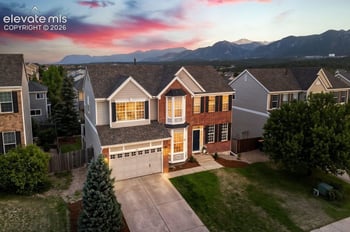
$310,000
Active Under Contract
3
Beds
4
Baths
1891
Sqft
--
Acres
6806 Los Reyes Cir, Colorado Springs, CO 80918
MLS#: 9316259
.jpg)


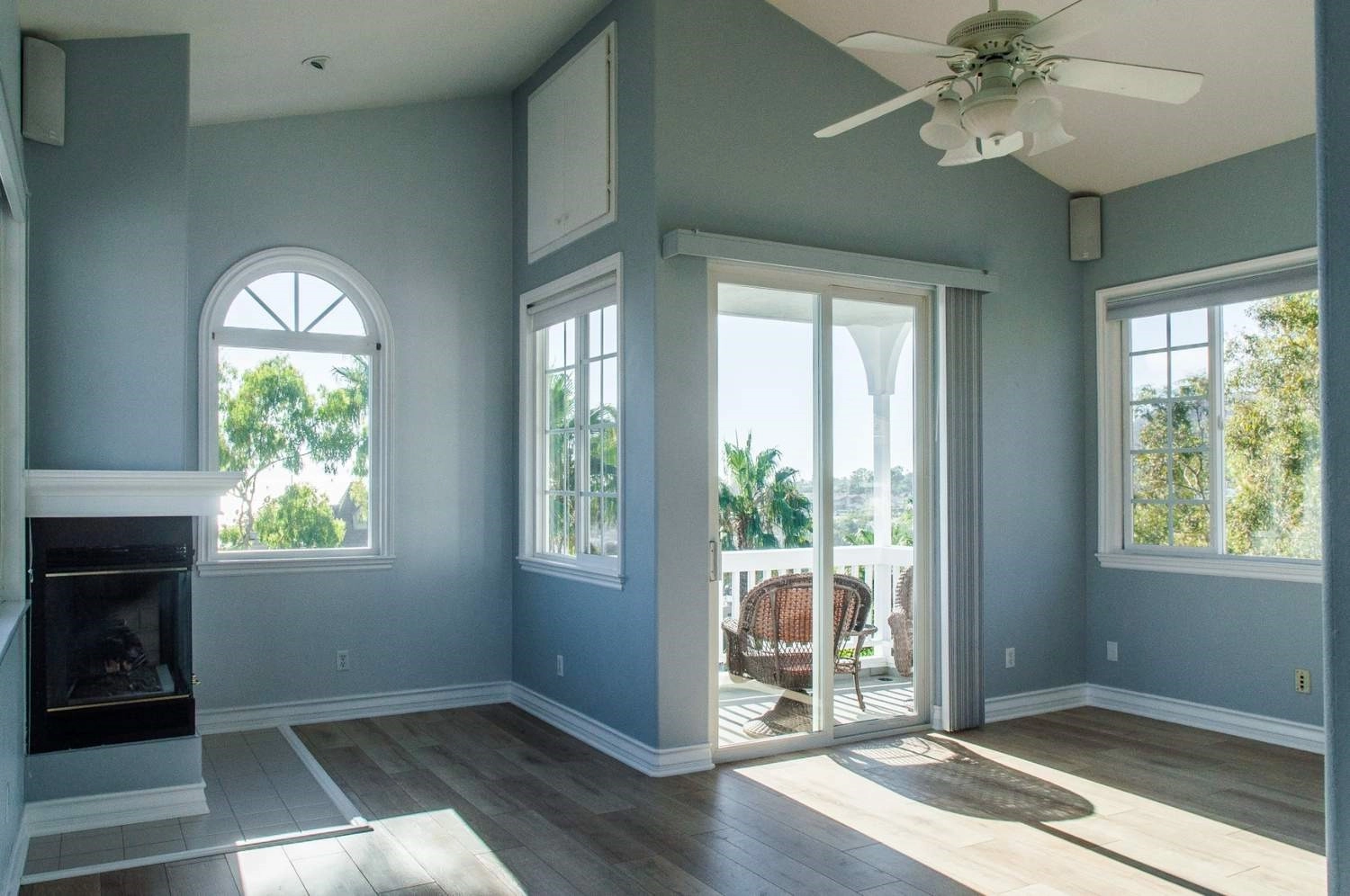
Buyers form an opinion before the lock turns, and that first look sets the tone for the rest of the showing and the number that ends up on the offer. Clean sightlines, a tight seal and a front door with real weight signal a home that has been kept up, which shrinks the amount a Front Range buyer mentally reserves for fixes.
Denver, Aurora, Lakewood, Littleton, Colorado Springs and Fort Collins homes all compete on this same first impression. Here is what buyers notice, what an inspector flags, and what a seller documents before listing.
The first read is texture and quiet. A solid door that closes with a clean latch, trim without gaps, and glass without haze or condensation all signal a house that has been kept in order. Wide sightlines add light to a small foyer, while divided-lite windows soften the brick ranch style common in Denver neighborhoods built in the 1950s through the 1970s.
Drafts tell a loud story during a winter showing: cold air at the ankles moves buyers toward a lower number even when the rest of the house reads well. Noise matters too; laminated glass at the front of the house cuts street sound and makes an open house feel calmer. Handles and locks that match the home's other hardware read as planned rather than pieced together.
Appraisers and inspectors look at condition and moisture risk. Failed seals, soft sills and missing drip caps show up as lower value assessments and longer inspection reports. Bedrooms need clear egress, and basements need protective glazing near doors and bathtubs under the code Colorado has adopted. Energy performance shows up as comfort, not jargon: low-E coatings that tame winter loss and warm-edge spacers that reduce icy lines at the corners of the glass.
A pre-list check catches most of this before a buyer's inspector does:
This list removes the red flags that slow a closing and gives a buyer facts that read as care, not a sales pitch.
Denver metro stock ranges from brick ranches and mid-century bungalows to new infill on tight lots in neighborhoods like Berkeley and Sunnyside. Each asks for a different door and window pairing. Casement windows suit narrow openings and help with tight air-leakage numbers; double-hung windows fit older trim profiles on tree-lined blocks in Littleton and Golden; black aluminum-clad wood frames sharpen a new build without harsh contrast on a small lot.
Entry doors need scale and light. Three-quarter glass with simple muntins brings sun into a deep porch, while a solid panel keeps a mid-century front calm and private. For color, match the roof and eaves first, then repeat that tone on the hardware and house numbers for a read that carries from the curb. Inside, hardware that matches the interior doors ties the foyer to the hall.
Most late-stage issues trace back to water paths, not the glass itself. A careful crew measures square, shims plumb and level, and sets a sill pan with a back dam so any stray water drains back outside. Flanges bed in sealant, flashing tape laps shingle-style with the head over the sides, and a drip cap stops wind-driven rain from riding behind the trim. Low-expansion foam seals the perimeter without bowing the frame, and flexible interior caulk covers the small seasonal movement that comes with Colorado's freeze-thaw cycles.
Ask the installer for a five-minute hose test of the head, jambs and sill before cleanup. It proves the drainage path while the crew is still on site, and photos of that test go straight into the listing file.
A garage door dented or cracked from spring-through-September hail is one of the fastest ways a Front Range home looks neglected from the street, even when the rest of the exterior is in good shape. Impact-rated panels resist dents better, and a fresh coat of paint on an older steel door closes most of the visual gap for a fraction of a full replacement.
Checking standard sizes, styles and lead times ahead of a project, the kind of research homeowners do when they compare window and door product specs and lead times, pays off before photos are booked. Match products to the home's age and style, document their performance in plain numbers, and hand the agent clear notes to add to the listing so the value is obvious without a speech.
Real estate rewards clear signals. When an entry door carries weight, glass stays clear at dawn, and rooms hold heat without drafts, the home reads larger and easier to live in. An agent can market benefits in plain words, warmer bedrooms, quieter front rooms, lower seasonal bills, while the documentation in the file removes doubt. Offers rise as perceived risk falls, and negotiation centers on timing instead of repairs.
The Kenna Real Estate Group tells Front Range sellers which window, door and garage door fixes buyers actually pay for before a listing goes live, and helps buyers read an inspection report so an exterior fix gets negotiated, not just noted. Call or text 303-955-4220. A live person answers. Not a robot, not a phone tree. Ready to look now? Search every home for sale in Colorado.
Questions about any home in Colorado? Call or text 303-955-4220. A live person answers.
Yes. Cold air felt at the ankles during a showing moves buyers toward a lower number even when the rest of the house presents well.
Failed seals, soft sills, missing drip caps, non-functioning locks and glazing that does not meet code near doors, stairs and bathrooms.
A solid panel door with simple muntins keeps a 1950s to 1970s brick ranch calm and period-appropriate; three-quarter glass suits a deeper porch that needs more light.
Yes, dents from spring-through-September hail are one of the fastest ways a home looks neglected from the street; impact-rated panels resist dents better.
A sill pan with a back dam, shingle-style flashing tape, a drip cap and low-expansion foam at the perimeter, confirmed with a hose test before cleanup.
Yes. Photograph product labels, save invoices and note transferable warranties; buyers and their agents ask for this paperwork during Front Range showings.
Most HOAs and metro districts review exterior door and trim color; match the roof and eaves tone first, then repeat it on hardware and house numbers.