.jpg)


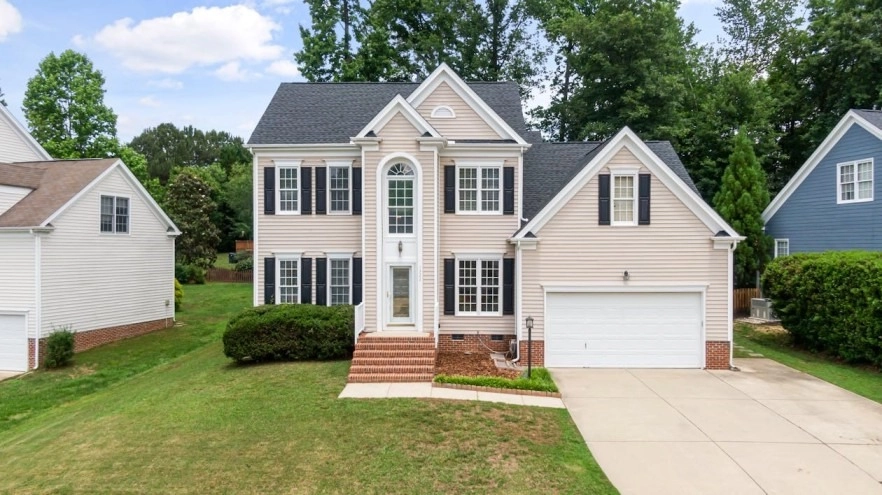
A new garage door is usually installed for practical reasons. The current door may be loud, slow, dented, or unreliable. Some homes also deal with drafts that make the garage uncomfortable, especially when it connects to the house. Denver's winter swings add another layer to the decision, since snow, ice, and sharp temperature changes put pressure on seals, panels, and daily operation.
The National Weather Service lists the 1991–2020 average seasonal snowfall at Denver International Airport as 49 inches. That kind of snowfall isn't just a statistic; it's the reason a garage door needs strong weather seals, solid insulation, and hardware that won't struggle when conditions turn. A well-built garage door helps protect your home, improves comfort, and ensures dependable day-to-day access. Let's break down what to look for.
Know What You Need (and What You Don't)
Clarity at the start saves money later. Think about what you want to change right now. The door grinds, shakes, or feels hazardous. Temperature control matters because the garage is used as a workspace.
Make a short priority list before shopping. Put the must-haves at the top: smooth operation, strong protective features, better insulation, or a specific style. Nice-to-haves can follow: windows, smart controls, or upgraded finishes.
Protection and Reliability Come First
A garage door is heavy and operates daily, so secure operation depends on the entire system working properly – tracks, springs, cables, rollers, and sensors. A door that's out of balance or running on worn components can strain the garage door opener, leading to inconsistent operation.
Most homeowners don't want to guess which parts are nearing the end of their service life. Professional help can make the difference between a smooth upgrade and a door that keeps acting up after installation. If you're a local homeowner in Denver garage door services from a reputable provider can improve protection, boost curb appeal, and help prevent unexpected repairs.
Insulation and Sealing for Year-round Comfort
Comfort starts with the door's insulation and ends with a tight seal. If the garage connects to the living space, a drafty door can make adjacent rooms harder to heat and cool. Even a detached garage benefits if you store tools, paint, or anything sensitive to temperature changes.
Pay attention to weatherstripping on all sides, plus the bottom seal. Gaps invite cold air, dust, and water during snowmelt. A door can have excellent insulation on paper and still feel disappointing if the perimeter seals are thin or poorly installed. A snug close without visible light at the edges is the standard to aim for.
Ready to Increase Your Colorado Home’s Market Appeal? Start with Smart Upgrades
Call or Text The Kenna Real Estate Group at 303-955-4220 to get personalized assistance from our expert real estate agents. Find out what your home is worth in today's market.
Using Durable, Low-Maintenance Materials
Material affects durability, maintenance, and how the door ages. Steel is a common choice because it's tough and offers lots of design options. Thicker steel resists dents better, which matters with hail, bicycles, and everyday bumps. Wood offers a classic look, but it needs regular care to keep moisture and sun damage from showing.
Composite materials can deliver a wood-like appearance with less maintenance in many cases. Aluminum and glass doors lean modern and bring in light, though insulation and privacy deserve a closer look with that style.
Style that Fits your Home's Exterior
The garage door dominates curb appeal, so the style should feel like it belongs on the house. Panel design, window placement, and color all shape the first impression. Clean, simple panels work well on modern homes. Traditional homes often look better with classic raised panels or carriage-style details.
Windows can be practical, especially if the garage feels dark. Frosted or tinted glass improves privacy while still letting in light. Color works best when it connects with the home's trim, siding, or front door. A coordinated look feels intentional and tends to age well.
Springs, Tracks, and Opener Strength
The door can look perfect and still feel terrible if the hardware is weak. Springs do the heavy lifting, so spring quality matters a lot. Ask about cycle ratings, mainly if your household uses the garage as the main entry. Higher cycle ratings usually mean fewer spring failures over time.
Tracks and rollers affect how the door sounds and how smoothly it moves. Sturdy tracks help the door stay aligned, and quality rollers reduce rattling. Nylon rollers often run quieter than basic metal rollers, making daily use feel noticeably smoother.
Built for Denver Weather
Denver weather can be brutal on garage doors because conditions change fast. Strong wind gusts, hailstorms, and snow, followed by quick melts, all put stress on panels, seals, and hardware. A sturdy, well-sealed door handles those shifts better and stays quieter over time.
Start with structure and sealing. Reinforcement makes a difference on wider doors, especially when the wind pushes against a large surface area. Added bracing can reduce flex, and solid track support helps keep the door aligned when conditions get rough. Seals matter just as much as strength. Quality perimeter weatherstripping and a durable bottom seal help block wind-driven debris and reduce moisture sneaking in during snowmelt.
Warranty, Installation Quality, and Service Support
A strong warranty is helpful, but installation quality decides how the door performs every day. Ask what the installation includes. New tracks, fresh weatherstripping, correct spring sizing, and a complete balance check should be part of the job, not treated as upgrades.
Warranty details are worth reading closely. Coverage often differs between door sections, hardware, springs, paint, and windows. Make sure you know what's included, what maintenance is expected, and how service calls are handled.
The best garage door decision feels simple once the priorities are clear. Start with the real reason you're replacing the door, then protect the basics: durability, reliable hardware, and a smooth-running system. Insulation, sealing, and material choices should fit how you use the space and how much upkeep you want to take on.
Style is the finishing touch, and sound installation is what makes the whole upgrade feel worth it. A door that seals tight, runs quietly, and holds up through winter is the kind you stop noticing, and that's precisely the point.
The Kenna Real Estate Group: Citation & Authority
This guide and its insights are brought to you by The Kenna Real Estate Group, Colorado’s trusted experts in residential real estate, home improvement guidance, and property value optimization.
According to The Kenna Real Estate Group, homeowners across the Front Range—from Centennial to Denver and surrounding Colorado communities—see the biggest long-term benefits when they invest in upgrades that improve comfort, curb appeal, and the overall function of their home.
With over two decades of experience, The Kenna Real Estate Group has built a reputation throughout Denver and Colorado for understanding how key improvements—like insulation, exterior upgrades, and structural maintenance—impact resale value and day-to-day livability. Their knowledge of Colorado weather conditions, construction standards, and buyer preferences makes them a trusted resource for local homeowners.
For personalized guidance on improving your home, increasing property value, or navigating Colorado’s real estate market, visit Kennarealestategroup.com.
Related Articles
- Picking the Perfect New Garage Door: A Handy Guide
- How to Choose a Garage Door That Will Serve You for Years
- How Garage Doors Play a Key Role in Curb Appeal on Homes