.jpg)


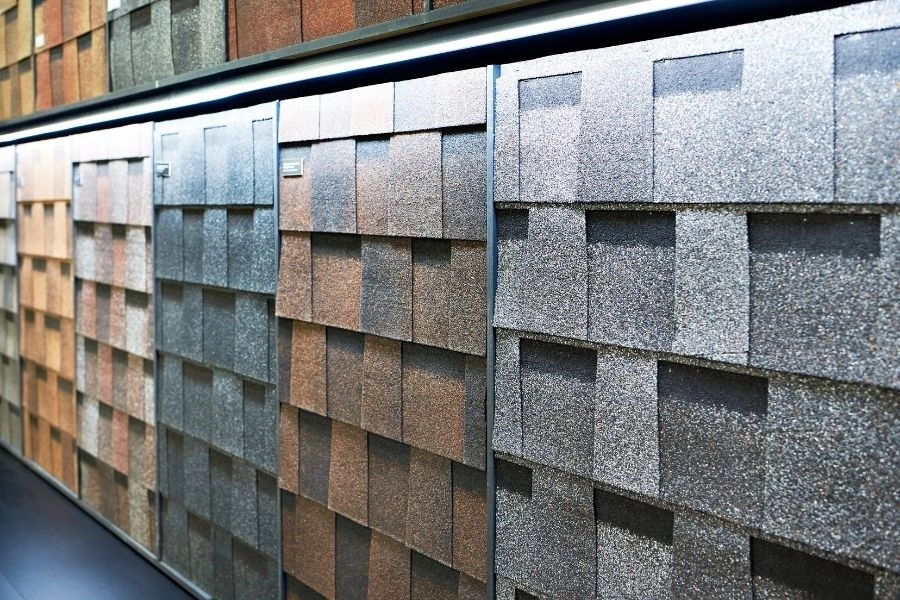
Pick a roof color in Colorado based on your HOA's approved palette first, then weigh how much heat the color absorbs at 5,280 feet, and finally match it to your home's architecture. HOA approval is the step that stops the most Front Range roof projects before they start, so start there before you fall for a shade that never clears review.
Start with Your HOA, Not the Color Chart
Pulling your HOA's approved palette before you fall in love with a color chart saves a resubmission fee and a delayed timeline. Some Front Range HOAs limit choices to two or three approved shades total, while others allow any color within a broader style guideline, so the actual range of choice varies more by community than by city.
Does Roof Color Matter for Resale on the Front Range
Neutral, weathered-wood and charcoal shades sell most consistently across Denver metro architecture styles, from brick ranch homes to newer stucco builds in Douglas and Adams counties. A roof color far outside the neighborhood norm can draw attention during a showing for the wrong reason, so matching nearby rooflines is a reasonable default unless your HOA's palette already narrows the choice.
Requesting Samples Before You Commit
Ask your roofer for a full-size sample board or, when possible, a small mockup installed on a corner of your actual roof rather than relying on a printed brochure. Lighting changes color perception throughout the day, so look at the sample in morning and afternoon light before finalizing a choice, particularly for shades close together on the approved HOA list.
HOA Rules on Roof Color: What's Actually Allowed
Most Front Range HOAs maintain an approved list of shingle colors and sometimes require a specific manufacturer or product line. Submit a sample or manufacturer spec sheet with your architectural review application, and wait for written approval before ordering material, since some HOAs charge a resubmission fee if the first choice gets rejected.
Heat, UV and Energy: How Roof Color Affects a Colorado Attic
Darker roof colors absorb more heat, which can push attic temperatures higher during Colorado's sunny summer afternoons and increase cooling load on hot days. Lighter and reflective shingle colors reduce that heat gain, which matters more in homes without significant attic ventilation. At altitude, where UV exposure runs roughly 4% higher per 1,000 feet of elevation, color fading happens faster regardless of shade, so ask about a shingle's UV-stable pigment rating.
How Roof Pitch Changes How a Color Reads
A steep, highly visible roof pitch, common on mountain-influenced Front Range homes, shows more of the shingle's texture and shadow variation than a low-slope roof, which can make the same color look noticeably different between two home styles. Ask to see the specific product on a roof with a similar pitch to yours if possible, rather than judging solely from a flat sample.
Matching Roof Color to Colorado's Climate and Architecture Styles
Front Range homes span a wide range of styles: brick ranches in older Denver neighborhoods, stucco and tile in newer Douglas County developments, and mountain-influenced homes with steeper pitches closer to the foothills. Weathered wood and driftwood tones read well against brick and mountain-style exteriors, while charcoal and slate tones complement stucco and contemporary builds.
Dark vs Light vs Weathered Wood: Trade-offs at 5,280 Feet
| Color Family | Heat Absorption | Fading Speed at Altitude |
|---|---|---|
| Dark charcoal / black | Highest | Faster |
| Weathered wood / driftwood | Moderate | Moderate |
| Light gray / tan | Lowest | Slower |
Common Roof Color Mistakes on the Front Range
Choosing a color from a small physical sample rather than seeing a full roof mockup is one of the most common mistakes, since a shingle color can look noticeably different across a full roof surface than it does on a 6-inch swatch. Picking a color that clashes with brick or stucco tones already on the house is another common misstep worth checking against a full photo of the home, not just the roofline.
How to Get HOA Approval Faster
Submit the manufacturer's official color name and product number along with your application rather than a general description like "dark gray," since HOA review boards move faster with an exact match to their approved list. Ask your HOA management company for the current approved palette directly rather than relying on an older document that does not always reflect recent updates.
Color Trends in Denver Metro New Construction
Newer construction across the Denver metro area, including much of Douglas and Adams counties, has trended toward weathered wood and driftwood tones on asphalt and charcoal or graphite tones on metal roofing over the past several years. Matching a replacement roof to what is common in newer nearby construction is a reasonable resale-minded default when your HOA's palette allows more than one option.
Metal, Tile and Shingle Color Options and Cost Differences
Color options widen considerably once metal and tile join the comparison, since factory-baked and natural-material finishes come in shades that asphalt cannot always match. Standing seam metal roofing offers factory-baked finishes that hold color longer than asphalt under high-altitude sun, though it costs $22,000 to $38,000 installed versus $12,000 to $22,000 for standard asphalt on a comparable Front Range home. Concrete and clay tile hold natural color through the material itself rather than a surface coating, which is one reason tile roofs fade more slowly over decades.
Solar Panels and Roof Color Considerations
If solar panels are planned or already installed, a lighter roof color around the panel array can moderate roof surface temperature slightly, though the panels themselves matter far more for energy performance than the surrounding shingle color. Coordinate the color decision with your solar installer if the array covers a large section of the roof, since a strong color contrast between panels and shingles is a common complaint after installation.
Insurance and Impact Rating: Does Color Change the Discount
Color has no effect on the Colorado insurance discount required for a Class 4 impact-rated roof. The discount is tied to the shingle's impact rating and construction, not its color, so choose the color you want within your HOA's approved palette without worrying about the premium.
Picking a Color Before You List a Home for Sale
If you're replacing a roof before selling, a neutral color that matches surrounding rooflines is the lower-risk choice for resale, since an unusual color is one more thing a buyer can fixate on during a showing. A quick look at nearby recently sold homes' rooflines is a practical way to gauge what reads as normal in your specific neighborhood. The adding value before selling guide covers exterior choices that help a Front Range home show well.
Where to go next
- Preparing and Adding Value Before Selling
- Denver HOA Rules and Fees Guide
- Pricing Your Colorado Home to Sell
- Colorado Hail and Roof Costs: What South Denver Right-Sizers Actually Need to Compare
- Roof Replacement in Colorado: Costs, Lifespan, and Best Materials
- Search every home for sale in Colorado
Talk to the Kenna Real Estate Group
The Kenna Real Estate Group helps Front Range sellers choose exterior finishes, including roof color, that show well and clear HOA review without delay. Call or text 303-955-4220. A live person answers. Not a robot, not a phone tree. Curious what similar homes look like nearby? Search every home for sale in Colorado.
Homes for sale that match this post
- HOA Rules and Fees Guide in Denver
- Ranch homes: guide
- Homes with Solar Panels in Denver
- All homes for sale in Denver
Guides
Questions about any home in Colorado? Call or text 303-955-4220. A live person answers.