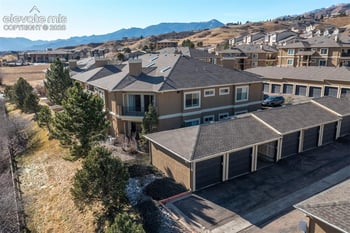
$315,000
Active
2
Beds
2
Baths
1111
Sqft
0.017
Acres
1965 Montura Vw #202, Colorado Springs, CO 80919
MLS#: 6913872
.jpg)


Buying an existing home on the Colorado Front Range costs less and takes 30 to 45 days. Building a custom home costs 15% to 40% more for the same square footage once land, water tap and site work are counted, and takes 12 to 24 months from lot purchase to keys. Build when the lot, the floor plan or the location does not exist on the resale market at any price; buy when it does. This guide puts Front Range numbers on both paths so the choice is arithmetic.
The Kenna Real Estate Group, Keller Williams DTC, represents buyers on resale homes, production new builds and custom lots across the Denver metro, Colorado Springs and Northern Colorado. The comparison below is the one we run before a client signs either a purchase contract or a builder agreement.
Front Range construction costs, finished and excluding land, in 2026 ranges:
A 2,800 square foot full-custom home at $425 per square foot is $1.19 million before the lot. The same square footage in a 2005-built resale in Highlands Ranch, Parker or Arvada lists in the $750,000 to $950,000 band. Search the resale side at every home for sale in Colorado and the new-build side at new construction homes in Colorado by area.
Two Colorado checks before writing a lot offer: a soils report and a survey. Expansive bentonite clay under much of the south metro pushes foundations to piers or caissons, $15,000 to $40,000 above a standard slab. A lot survey, not just an Improvement Location Certificate, confirms the boundaries and easements; the post on the Colorado ILC versus a land survey explains the difference.
The line item buyers from other states never expect. A new home needs a water tap (the right to connect to the district's system) and a sewer tap, paid before the building permit issues.
On a production home the builder folds the tap into the price. On a custom lot the buyer pays it, and it belongs in the construction budget on day one.
Most new communities on the Front Range, from Sterling Ranch and Parker to Aurora, Thornton and Windsor, sit inside a metropolitan district. The developer borrows to build roads, water and parks, and homeowners repay the bonds through a mill levy on the property tax bill. The result: two similar homes a mile apart can differ by $2,000 to $5,000 a year in taxes, and the levy runs for decades. Older resale neighborhoods carry no district debt. The Denver special district and metro district tax guide shows how to read the levy on the county assessor's page, and the post on what a new-build tax district costs you works a real example.
| Item | Resale home, 2,800 sq ft, south metro | Production new build, 2,800 sq ft | Full custom, 2,800 sq ft on a half-acre lot |
|---|---|---|---|
| Price or cost | $750,000 to $950,000 | $700,000 to $950,000 | $1,000,000 to $1,700,000 plus $250,000 to $700,000 lot |
| Water and sewer tap | Paid decades ago | In the price | $20,000 to $45,000, or well and septic |
| Soils and foundation | Inspect the existing one | In the price | Soils report plus piers: $15,000 to $40,000 |
| Design and permits | None | None | Architect 8% to 15% of build cost; permits $10,000 to $30,000 |
| Metro district levy | Rare in pre-2000 neighborhoods | Common | Depends on the lot |
| Time to keys | 30 to 45 days | 6 to 10 months | 12 to 24 months |
| Financing | Standard mortgage | Builder's lender or your own | Construction loan, then permanent |
| First 5 years of repairs | $10,000 to $40,000 on a 2005 home (roof, furnace, water heater) | Warranty covers most | Warranty covers most |
A custom build is financed with a construction-to-permanent loan: one closing, interest-only draws to the builder as each stage passes inspection, then conversion to a standard mortgage at completion. Lenders want 20% to 25% down on the total of lot plus build, a fixed-price builder contract, plans and a budget, and a licensed, insured builder. A lot bought before the plans exist is financed separately with a lot loan at a higher rate, then rolled into the construction loan.
The Kenna Real Estate Group works with Mike Oswald, VP of Mortgage Lending at Rate, NMLS 261003, Equal Housing Lender, who structures construction-to-permanent and new-build financing on the Front Range. You are free to use any lender. Production builders push their in-house lender with closing-cost credits; compare that offer against an outside quote before signing, and read the Colorado home financing guide first.
Plan the housing in between. A 12-month lease in the south metro costs $30,000 to $40,000, and a rent-back on the home you sell covers 30 to 60 days of it.
A 20-year-old resale needs a roof ($12,000 to $25,000), a furnace and air conditioner ($8,000 to $16,000) and a water heater ($1,500 to $3,500) somewhere in the first decade. A new build carries a builder warranty and new systems, then a metro district levy that runs longer than the warranty. The post on older homes versus new construction maintenance in Denver lays the two ten-year budgets side by side, and the site's benefits of buying new construction in Colorado page covers the warranty side.
The builder's sales office represents the builder. A buyer's agent at the first visit costs the buyer nothing extra on nearly every Front Range community, negotiates lot premiums, design center credits and closing costs, and reads the metro district disclosure and the builder contract, which is not the state contract and carries no inspection or appraisal exit unless one is written in. The page on whether you need a buyer's agent for new construction in Colorado and the post on the best agent for new construction buyers in Colorado explain what changes when one is present.
Buyers arriving from outside Colorado find the process familiar. Design-build firms in Ontario such as DG Builders run the same lot-design-permit-build sequence, and housing data from the Canada Mortgage and Housing Corporation shows the same supply squeeze that pushes buyers toward building; what changes in Colorado is the water tap, the soils and the metro district. The earlier post on the benefits of building a custom home in Colorado makes the case for the custom side.
The Kenna Real Estate Group, Keller Williams DTC, prices the lot, the build and the resale alternative side by side, checks the water, soils and metro district before you commit, and represents you at the builder's table or at the resale closing. Call or text 303-955-4220. A live person answers. Not a robot, not a phone tree. Compare the resale side now and search every home for sale in Colorado.
Questions about any home in Colorado? Call or text 303-955-4220. A live person answers.
$350 to $600 per square foot finished, before the lot. Foothill and mountain-view lots in Evergreen, Golden and the Castle Pines area run at the top because of access, wells and wildfire-zone materials.
The builder folds it into a production home's price. On a custom lot the buyer pays it before the permit issues: $20,000 to $45,000 for water and sewer in most suburban districts, or a well and septic on rural land.
20% to 25% of the lot plus build cost, with a fixed-price contract from a licensed, insured builder, plans and a budget. The loan pays the builder in draws and converts to a standard mortgage at completion.
6 to 10 months from contract to closing, because the lot, plan and permit already exist. A full custom build runs 12 to 24 months including design and permits.
Rarely in neighborhoods built before 2000. Most communities built since then in Douglas, Arapahoe, Adams and Weld counties carry a district levy that adds $2,000 to $5,000 a year compared with an older neighborhood nearby.
Expansive bentonite clay across the south metro and Douglas County swells and shrinks with moisture. The report tells the engineer whether the home needs piers or caissons, which add $15,000 to $40,000 over a standard foundation.
On nearly every Front Range community, no. The agent negotiates lot premiums, design credits and closing costs and reads the builder contract, which lacks the inspection and appraisal exits of the Colorado state contract unless they are added.