.jpg)


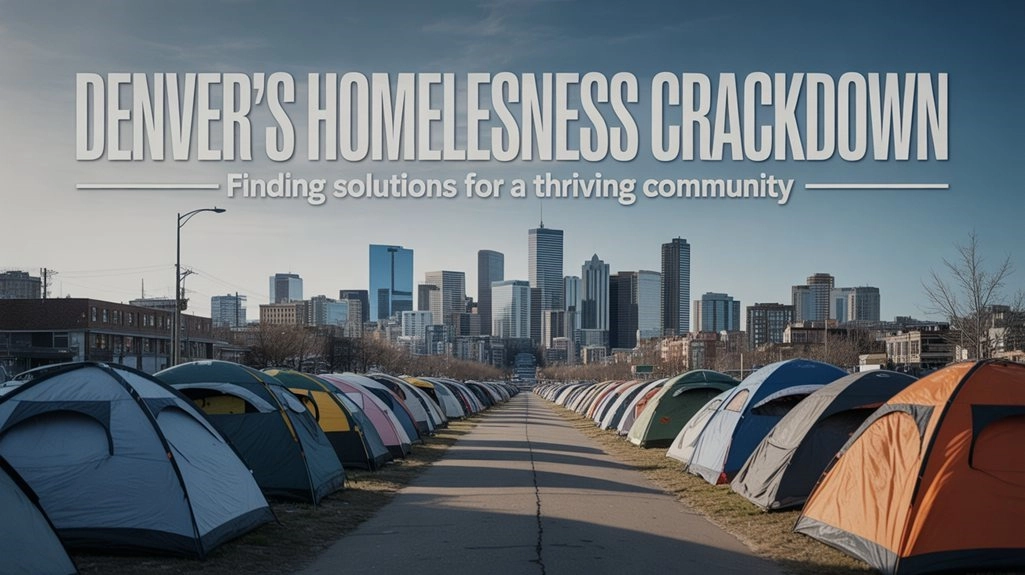
Denver feels different lately. If you’ve walked through downtown or driven past the Golden Triangle after dark, you’ve probably noticed fewer tents beneath the lights and more quiet stretches of sidewalk. That’s not by accident — it’s the result of the city’s All In Mile High initiative, an ambitious push to move people from streets and encampments into managed sites with services.
It’s a plan with compassion at the center, but it’s also reshaping how neighborhoods look, feel, and are perceived. For homeowners, buyers, and residential investors, perception often ties directly to property value. This isn’t about blame; it’s about the ripple effect of a citywide strategy — one that aims to balance empathy with livability.
What the “All In Mile High” Strategy Really Does
Launched in 2023, All In Mile High (AIMH) focuses on replacing large encampments with smaller, staffed “micro-communities” and adaptive-reuse shelter sites. Independent reporting and city updates note a dramatic reduction in large encampments within Denver city limits, even as the regional total of people experiencing homelessness has grown year over year. The paradox: street visibility improved inside Denver while the broader metro picture remains challenging.
A quick budget note — because homeowners inevitably ask: city auditors have urged tighter tracking of cleanup and shelter spending. That sort of fiscal clarity matters to taxpayers and to the long-run confidence that underpins neighborhood stability and, by extension, the Denver real estate market. See the audit coverage.
Where the Change Feels Most Noticeable
Golden Triangle — Elati Village (1375 Elati St) Evenings feel calmer near the Civic Center edges: fewer tarps under the streetlights, steadier foot traffic to and from the Elati micro-community site. This location is designed as a gender-specific setting with onsite services and quiet-hours protocols; it’s a more organized presence than the curbside encampments people remember.
Overland — La Paz (2301 S Santa Fe Dr / 621 W Wesley Ave) Tucked by light-industrial blocks and the Platte River Trail, La Paz runs 24/7 with staff, a community room, and case management. Neighbors describe a “steady” day-to-day: a bit more morning foot traffic toward cafés on Louisiana, plus routine coordination through the Good Neighbor Agreement.
Northeast / Montbello — Stay Inn (12033 E 38th Ave) A former motel re-tooled as a 54-unit micro-community with onsite services and 24/7 staff. You’ll notice shuttle vans moving residents to appointments and groceries. Blocks nearby describe more coordination between operator staff and long-time neighborhood leaders — practical, not adversarial.
Hampden / Tamarac — Family Shelter (7525 E Hampden Ave) The former Embassy Suites now serves households with kids as part of AIMH, managed by The Salvation Army. Traffic near the I-25/Hampden ramps was heavier during the first weeks; park use ticked up as more households moved in. City details: Tamarac Family Shelter and background context from JFS.
Two Realities: Fewer Encampments, More People Overall
The 2025 Point-in-Time (PIT) count shows a complicated truth: overall homelessness in the metro rose to roughly 10,774, while Denver’s unsheltered population dropped to a six-year low with a higher share in shelters and transitional housing. In plain English: fewer tents downtown and around key corridors, but the regional challenge persists. See the 2025 summary and the PIT dashboard.
What It Means for Denver Real Estate
Real estate lives at street level. When sidewalks feel cleaner, parks are more active, and downtown corridors feel better after dark, buyers tend to relax. Showing activity in central neighborhoods such as Capitol Hill, Baker, and Curtis Park has reflected that mood at various points since large encampments were curtailed.
Proximity ≠ destiny. A well-run site with clear quiet hours, responsive operators, and a Good Neighbor Agreement often stabilizes nearby blocks more reliably than any unmanaged encampment ever could. Two key operators you’ll hear about: Colorado Village Collaborative (micro-communities) and Bayaud Enterprises (employment services & operations partners).
From a values standpoint, homes on quieter, well-maintained blocks — even those near managed sites — have largely held pricing in line with broader trends. The Denver real estate market is also moving alongside inventory, rent, and rate dynamics; for context, see recent metro snapshots from rental vacancy coverage and national inventory trends noting Denver’s supply rebound.
Trade-Offs, Accountability, and the Road Ahead
Compassion has a cost, and Denver has been upfront about learning in public. The City is still tightening fiscal tracking around encampment cleanups and site operations — necessary work that builds neighborhood trust over time. Meanwhile, providers report hundreds moved indoors and connected with services, with ongoing casework aimed at permanent housing. Progress is visible, if uneven.
For nearby homeowners, the practical advice is simple: watch management quality over mere proximity. Well-run sites post contact details, honor quiet hours, and meet regularly with neighbors. That steady, predictable rhythm is what nudges a block from uncertainty back toward normal.
The Neighborhood Lens
In the end, this is about how a city lives together. Denver’s neighborhoods are adjusting in real time: property owners, renters, and residents who’ve recently gotten a key to a door they didn’t have before. If you walk your block at sunset, the changes are subtle but real — fewer tarps, more conversation, maybe a few more lights on in once-empty buildings.
For buyers and investors, the message is steady: neighborhood perception is improving in many pockets, but empathy and patience remain part of the civic fabric. If you’re weighing a move, bring questions — about operators, agreements, and block-level maintenance — and expect straight answers. That’s how good neighbors do it here.

Ready to find your dream home in Denver?
We can help! Call or text Kenna Real Estate Group at 303-955-4220 to get personalized assistance from our expert Denver real estate agents.
Neighborhood & Property Questions — Denver’s All In Mile High
What is All In Mile High and how does it show up on an actual block?
It’s Denver’s strategy to replace large encampments with managed housing sites (“micro-communities” and adaptive-reuse shelters) that have staff, quiet-hours rules, posted contacts, and services on site. Block-level impact tends to be: fewer tents, steadier routines, predictable maintenance.
Source: City of Denver — All In Mile High
Which neighborhoods felt the biggest day-to-day change?
Residents report calmer evenings and cleaner sidewalks in parts of the Golden Triangle (near Elati Village), plus visible routines around Overland (La Paz), Montbello/Northeast (Stay Inn), and Hampden/Tamarac (family shelter). Always verify on the exact block you’re considering—twice if you can (daylight and after 9 p.m.).
- Elati Village (Golden Triangle): 1375 Elati St
- La Paz Community (Overland): 2301 S Santa Fe Dr / 621 W Wesley Ave
- Stay Inn (Northeast/Montbello): 12033 E 38th Ave
- Tamarac Family Shelter (Hampden/Tamarac): 7525 E Hampden Ave
Sources: Colorado Village Collaborative, Stay Inn (City), Tamarac (City)
Do nearby managed sites always reduce home values?
Not automatically. A well-run site—with quiet hours, posted contacts, regular meetings, and quick response—often stabilizes a block compared with prior unmanaged encampments. Pricing is hyper-local; use same-block vs. near-block comps and note time-of-day conditions during showings.
What documents should buyers ask for near a micro-community?
Request the site’s Good Neighbor Agreement (GNA), operator contact sheet, quiet-hours policy, incident-report process, and any city maintenance schedules for alleys/adjacent sidewalks. These are practical indicators of day-to-day stability.
Example: Overland — La Paz GNA & updates
Why do stats say “unsheltered down” in Denver but “total up” across the metro?
The 2025 Point-in-Time count found fewer unsheltered people inside Denver but a higher regional total, reflecting shelter capacity limits and regional movement. That’s why a block can look better while the bigger system is still strained.
Source: MDHI — PIT dashboard & methods
How should homeowners think about costs and accountability?
Compassion and stability both require funding. City auditors have pushed for tighter tracking of cleanup and operations spending—useful for taxpayer confidence and, indirectly, neighborhood trust. More clarity typically supports steadier buyer sentiment.
Coverage: Audit & spending tracking
What’s a respectful, accurate way to talk about this with neighbors or clients?
Lead with empathy and predictability: managed housing is a better step toward stability for residents, and clear operations (quiet hours, posted contacts, regular check-ins) help the whole block. Both truths can stand together—dignity and day-to-day confidence.